Water Leakage Problem And Detections: Causes, Signs, And Solutions

 Mar , 2026
- Waterproofing
- 4 Min Read
Residential and commercial buildings experience a few structural issues because of water leaks. Hidden water damage may lead to the walls being damaged due to peeling paint, stain formation, damp patches and mould growth. The building's structure and indoor air quality suffer from extended exposure to moisture. Early detection of water leakage problems allows timely repairs, preserves the longevity and appearance of walls and ceilings.
What Is A Water Leakage Problem?
A water leakage problem refers to the situation when water escapes from pipes, walls, roofs or plumbing systems in uneven areas. This leakage of water may damage surfaces, weaken structures and create damp conditions inside the property.
Why Water Leakage Should Not Be Ignored?
A water leakage detection should never be delayed because seepage may lead to significant damage over time. Continuous moisture may weaken the walls, ceilings and cause damage in the following areas:
- Leads to paint peeling, flaking and bubbling due to loss of adhesion.
- Increases repair and maintenance costs if left untreated.
- Causes damp patches and discolouration on the wall paint.
- The plaster becomes weaker because of cracks and surface damage.
Neglect of a water leakage problem in building structures may also affect long-term safety and increase repair complexity.
Impact Of Water Leakage On Walls
Water leaks directly affect wall conditions by allowing moisture to enter paint and plaster layers. As this moisture spreads, house water leaks result in the following forms of damage to walls:
- Creates damp patches and visible strains on walls
- Reduces the lifespan and durability of wall finishes
- Water leakage from walls spread unpleasant odours
- May lead to electrical hazards if water reaches wiring systems
- Reduces the durability and lifespan of paint coatings
Common Causes of Water Leakage
The onset of the water leak issues usually develops from a combination of wear, structural wear, material failure and poor waterproofing method. Some of the most common water leaks in homes are as follows:
Damaged Or Old Plumbing Pipes
Older pipes, corrosion and loose joints often result in leaks within walls. Over time, such seepage can saturate surrounding materials. As a result, they frequently need repair and painting services.
Roof Cracks And Poor Waterproofing
Rainwater may pass through walls if there are any roof cracks and weak waterproofing systems. The primary cause of roof water damage occurs during intense rainstorms when water builds up and spreads throughout commercial and residential buildings.
Bathroom And Kitchen Leakages
Bathrooms and kitchens water leakage problem in house are highly prone to leakage because of constant water usage in these spaces. The most common cause of leakage in these rooms is faulty tap fittings, broken tiles or poor sealing around sinks and fixtures.
Wall Cracks And Structural Gaps
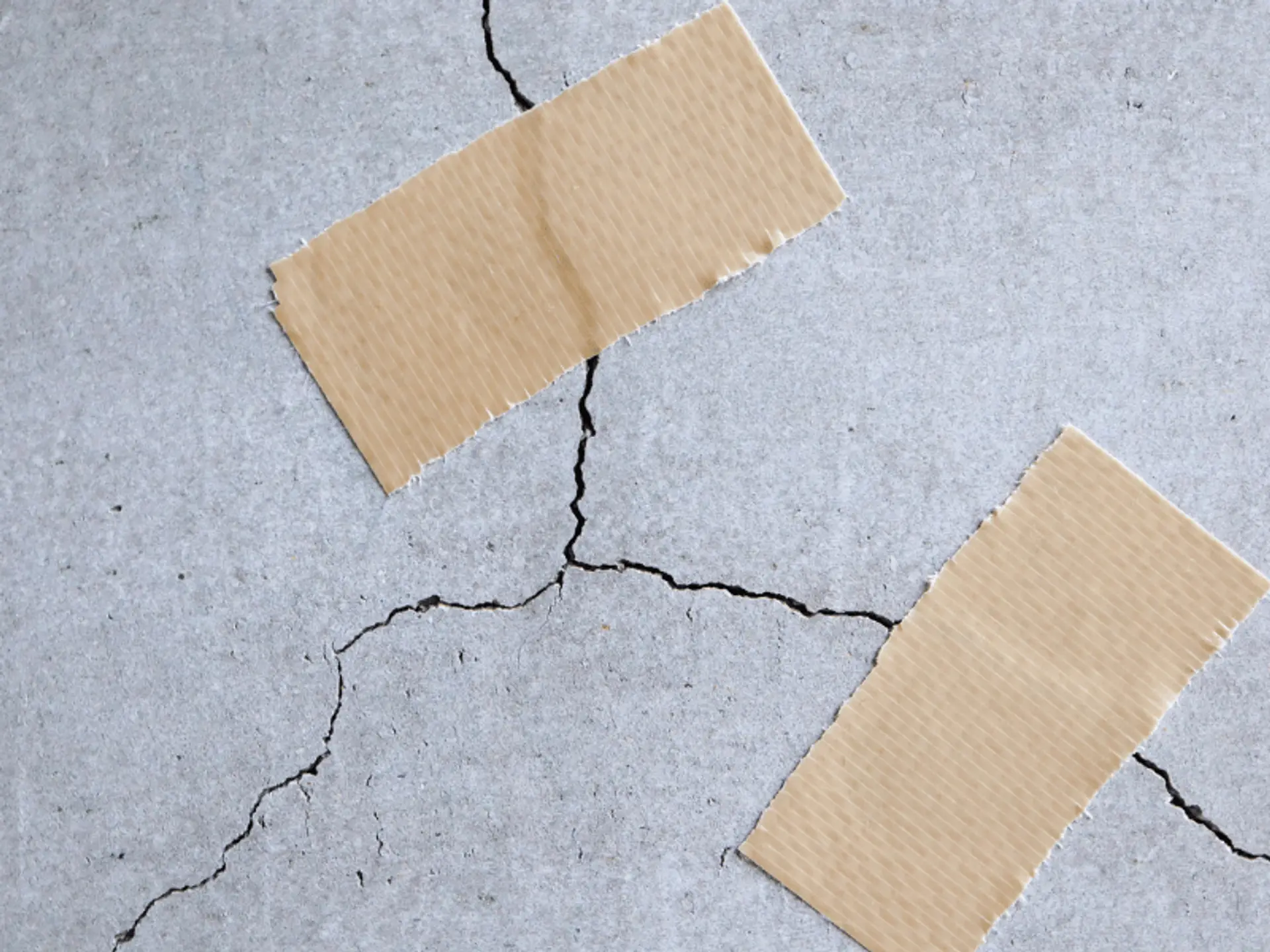
Small cracks and gaps in exterior walls function as entry points for moisture to enter the building. This condition can occur on both the interior walls and exterior walls of a building. The openings will continue to grow larger, resulting in increased water infiltration that damages the structure. Such cases may need targeted building water leakage solution approaches to prevent further spread.
Signs Of Water Leakage In Walls
Water leaks often result in visible and surface-level issues. A quick check for water leaks in the following areas helps to address the issue in a prompt manner:
Damp Patches On Walls Or Ceilings
Damp patches appear as dark and uneven areas on moisture-locked walls. These wet spots may expand to discolouration of the paint on both the exterior and interior of the property. Situations like this make it important to know about roof waterproofing to deal with the source of moisture.
Peeling Or Bubbling Paint
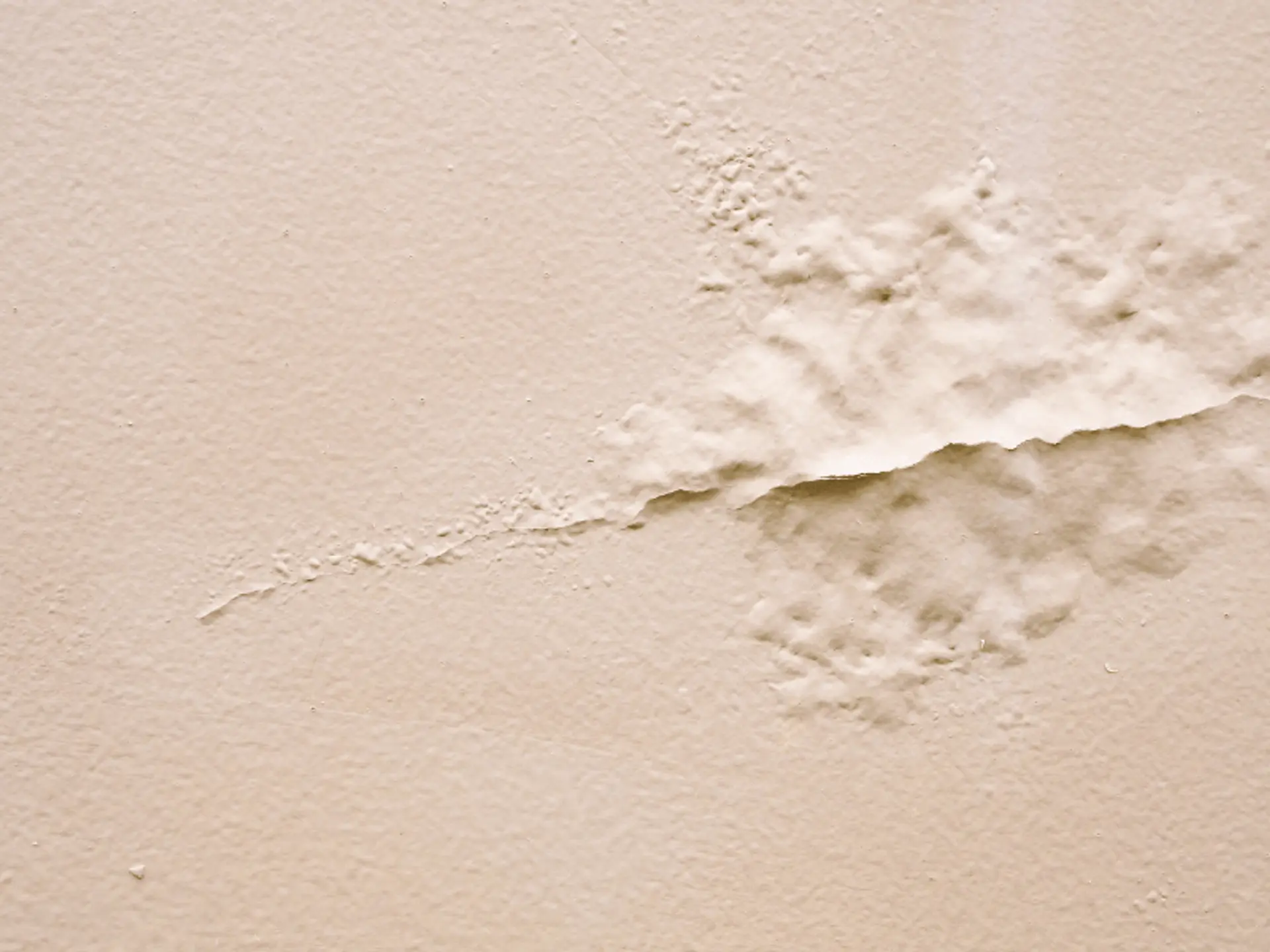
If moisture gets trapped beneath the paint layer, this water damage leak may weaken paint adhesion. In addition, moisture damage causes paints to peel or bubble on walls.
How To Prevent Water Leakage Problems?
Prompt waterproofing methods include a combination of regular inspection, timely repairs and protective treatments that block moisture from entering walls. Here are a few effective ways to reduce the chances of water leak issues:
Regular Plumbing Maintenance
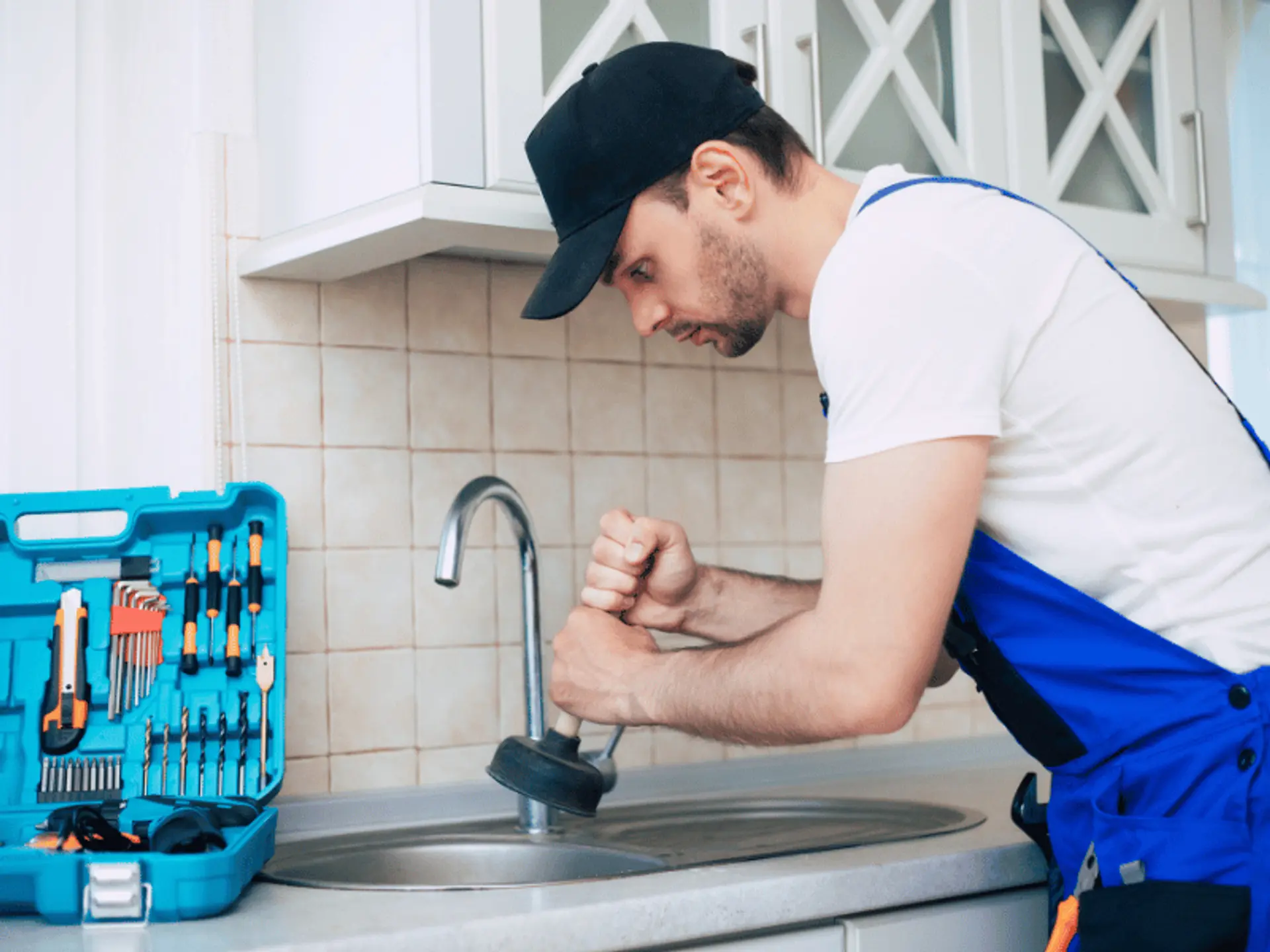
Routine inspection of pipes and plumbing systems helps to detect early signs of leaks. Fixing such issues largely reduces the chances of seepage on both interior and exterior walls. During periodic maintenance, you can use a water leakage detector in walls to identify hidden issues early.
For a detailed analysis, an expert consultation is the most feasible option. Professional waterproofing solutions protect the structure through specialised equipment. They also clearly outline their plan to the homeowner about how it will be performed.
Proper Waterproofing
Application of effective waterproofing elements on roofs, bathrooms and terraces creates a protective barrier against moisture. For instance, Berger Paint’s Homeshield PU RoofKoat helps to prevent water seepage and reduce the chances of dampness. High-quality waterproof coating solutions reduce the water penetration and extend the life of paint and plaster.
Repairing Wall Cracks
Sealing cracks and gaps on walls prevents water from entering through nearby or above surfaces. This activity highlights the importance of terrace waterproofing in controlling seepage from the top. Using appropriate fillers and sealants ensures that the small openings do not develop into major leakage points.
Conclusion
If water leaks have caused damage to your walls or paint, professional restoration can effectively give a fresh appearance and strengthen durability. Expert services ensure proper surface preparation, treatment of damp areas and application of the right waterproofing system.
In this way, Berger Express Painting gives specialised repair and coating systems through their Waterproofing Recommender. With premium materials, their team protects walls from future leakage issues.
check for any query you have about the blog
Frequently Asked Questions
Plumbers identify moisture damage on walls through moisture meters and pressure testing equipment for water leak solutions. Next, they identify and fix water leaks from their source.
Yes, water leakage creates moisture problems, which lead to paint losing its ability to stick to surfaces. Walls that experience excessive moisture may face paint damage through peeling and bubbling effects.
Most of the water leak damage creates damp conditions that lead to mildew to grow on walls and ceilings. The process damages surfaces that may result in indoor air quality issues.
A professionally inspected water leak fix accurately identifies the source and extent of leakage. Early expert assessment ensures proper repair and prevents further structural or surface damage.