A Guide on How to Make Brown Colour

 Aug , 2026
- Berger Speaks
- 4 Min Read
Brown is one of the most versatile colours, valued for its natural, balanced appearance and wide range of tones. From soft beige browns to deep chocolate shades, it can be created by combining primary colours or complementary pairs in different proportions.
This guide explains how to make brown colour for paint, acrylics, watercolours, and DIY projects, while showing how small adjustments can change the shade.
What Colours Make Brown?
Brown is generally created by mixing red, blue, and yellow. It can also be made with complementary pairs such as blue and orange, red and green, or yellow and purple. Different ratios produce different results, so when deciding which colour mix to make brown, adjust one colour gradually.
Understanding the Basics of Colour Mixing
The colour wheel helps explain how different colours work together. Red, blue, and yellow are primary colours. Secondary colours come from mixing primary colours, while complementary colours sit opposite each other. Understanding these relationships makes brown colour making easier and helps prevent muddy results.
Primary Colours Used to Make Brown
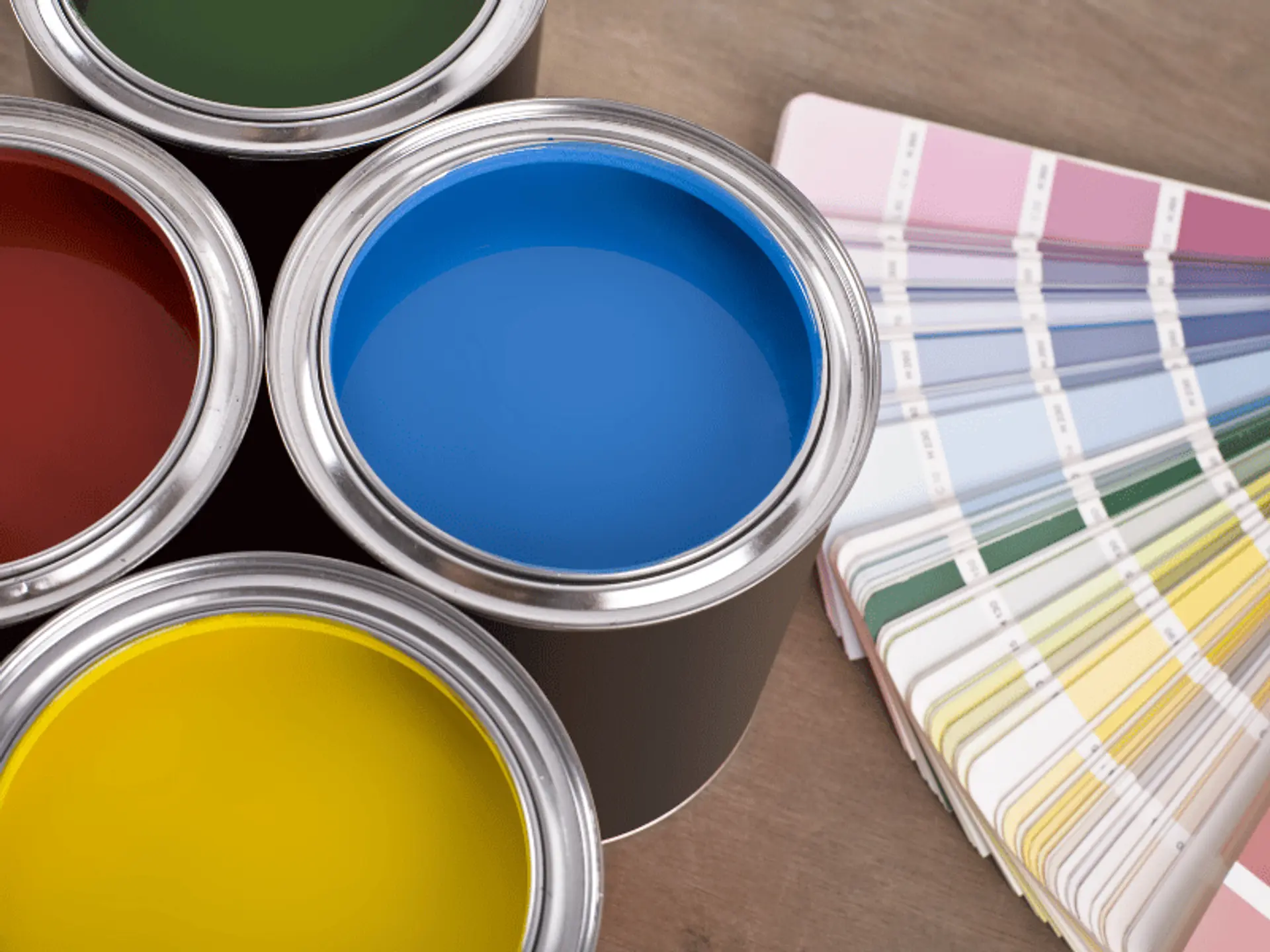
Red, blue, and yellow are the basic colours for brown. Red adds warmth, blue adds coolness, and yellow can make it more golden. Their balance determines the final undertone.
Why Complementary Colours Create Brown
Complementary colours neutralise each other and can produce brown. Common pairs include blue and orange, red and green, and yellow and purple. Their balance affects whether the brown looks warm, cool, rich, or muted.
How to Make Brown Colour Using Primary Colours
Start with equal parts of red, blue, and yellow for balanced brown. Mix well, then adjust the proportions gradually. More red adds warmth, blue cools it, and yellow creates a more golden brown.
Step 1: Mix Red and Yellow
Start by mixing equal amounts of red and yellow. Blend them well until they form a smooth orange base.
Step 2: Add Blue Slowly
Next, add blue to the orange in small amounts. Mix after each addition until the colour gradually turns brown. Avoid adding too much blue at once, as it can make the shade look dull or grey.
Step 3: Fine-Tune the Shade
Once the brown base is ready, adjust it as needed. Add more red for warmth, blue for a cooler tone, or yellow for a more golden brown. Make each change gradually for better control.
How to Make Brown Colour by Mixing Two Colours
To learn how to make brown colour by mixing two colours, use complementary pairs. Blue with orange, red with green, and yellow with purple can each produce brown without mixing all three primary colours.
Mix Blue and Orange
Add blue slowly to orange until it becomes an earthy brown. Adjust either colour to change the undertone. This combination works for natural earth tones.
Mix Red and Green
Red and green can create rich chocolate and mahogany browns. Change the proportions gradually until you reach the required warmth and depth.
Mix Yellow and Purple
Yellow and purple can produce muted or darker browns. More purple deepens the result, while more yellow makes it warmer. This combination suits artistic work.
How to Make Different Shades of Brown
White, black, yellow, red, blue, and orange can change brown's depth and undertone. When learning how to make a brown colour for a specific use, begin with brown and adjust one colour at a time.
How to Make Light Brown
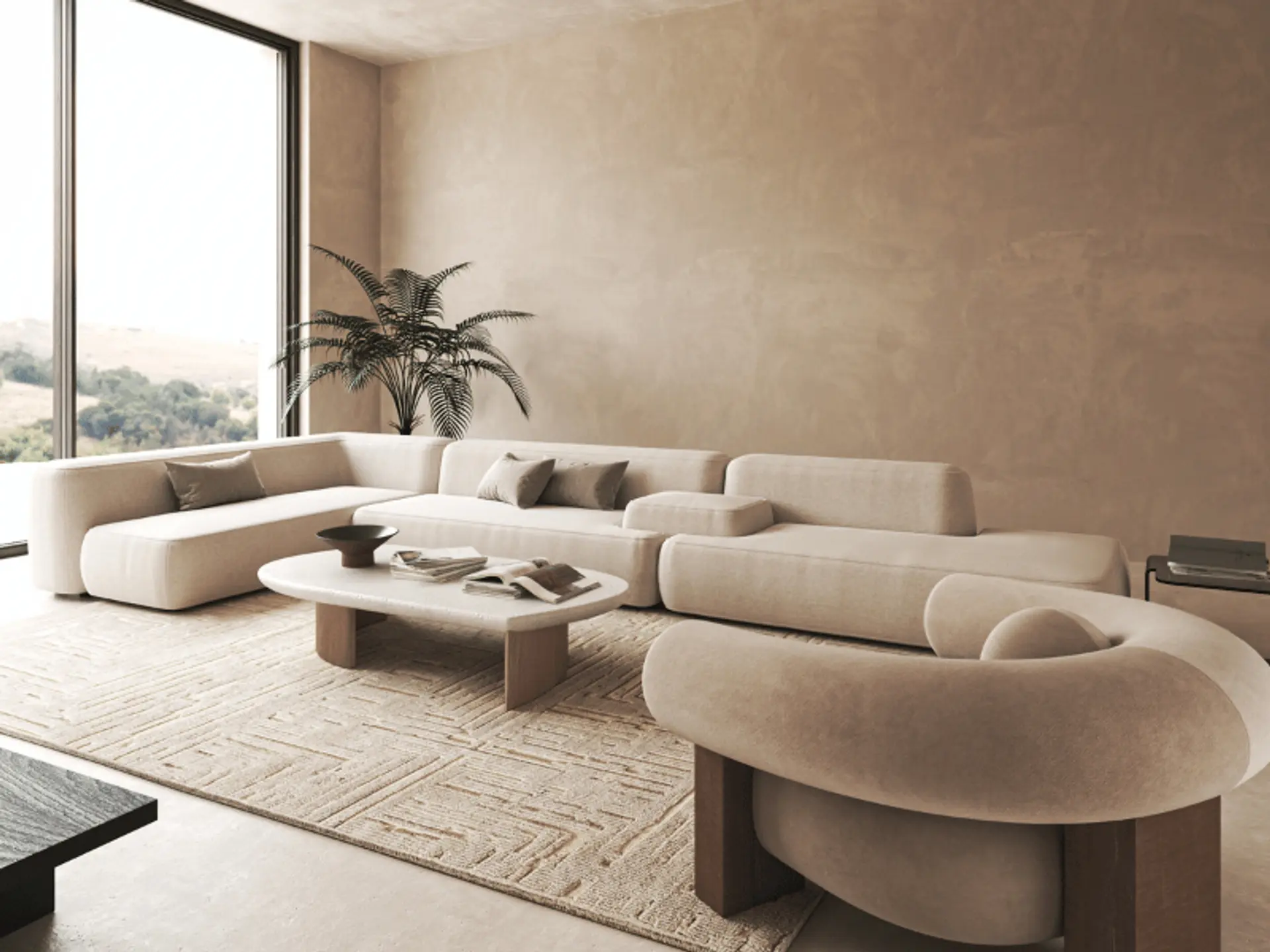
Add white gradually to brown to make it lighter. Yellow can add extra warmth. Depending on the proportions, the mixture can become tan, beige, or sandy brown. These tones can inspire brown wall combination ideas.
How to Make Dark Brown
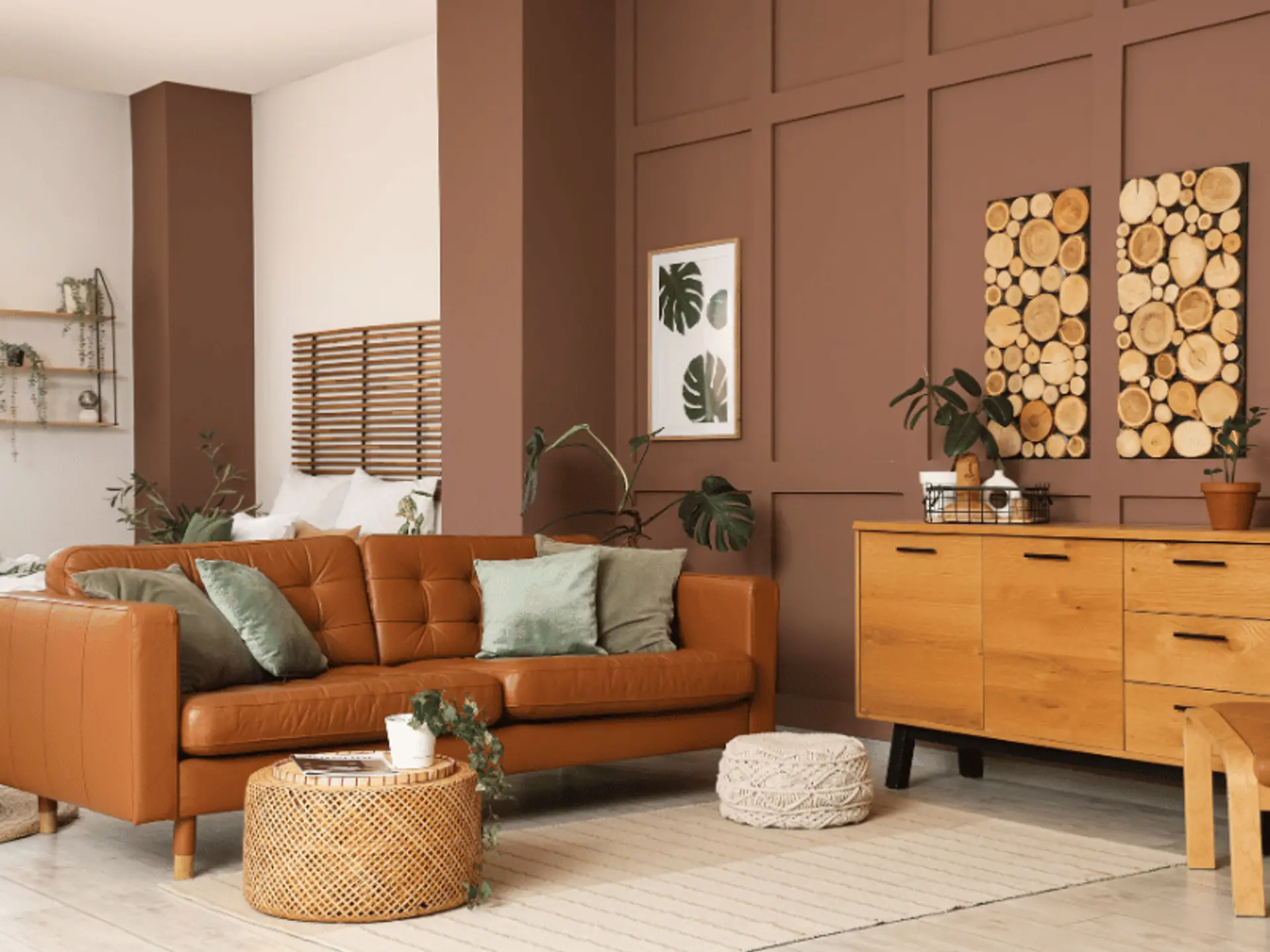
To understand how to make dark brown colour, add a little black, dark blue, or deep red to brown. Each deepens it differently. To make dark brown colour by mixing two colours, start with red and green and increase the darker component carefully.
How to Make Warm Brown
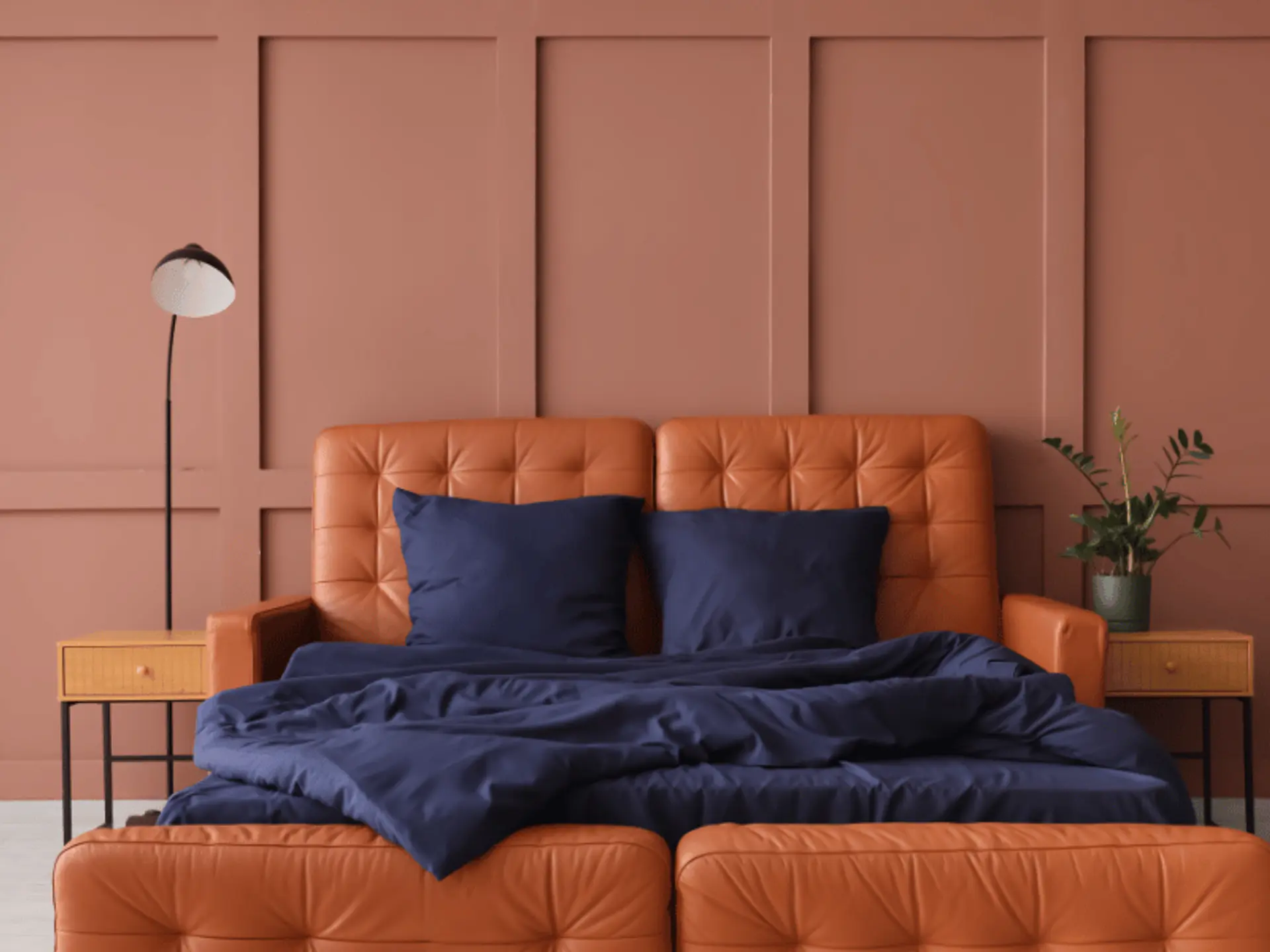
Increase the amount of red, orange, or yellow in the brown base. These pigments create warmer earthy shades. Add them gradually to avoid shifting the mixture too far away from brown.
How to Make Cool Brown
Add a small amount of blue or grey to create a cooler brown with a wood-inspired appearance. Mix fully after each addition so brown remains the main colour.
Brown Colour Mixing Chart: Find Out Which Colours Make Brown
Use these combinations as simple starting points. Adjust the ratios depending on the shade you need.
Colour Combination | Resulting Brown Shade |
Red + Green | Chocolate Brown |
Blue + Orange | Earth Brown |
Yellow + Purple | Muted Brown |
Red + Blue + Yellow | Classic Brown |
A colour catalogue can help you compare ready-made brown shades when planning a larger interior area.
How to Make Brown Colour with Acrylic Paint
Mix acrylic colours on a clean palette and begin with small quantities. Avoid overmixing because repeated additions can make the result harder to control. Record the proportions when you need consistency, particularly for repeated decorative work or wall paint.
How to Make Brown Colour with Watercolours
Watercolours are transparent, so control both the pigment and water. Mix lightly and build brown through layers instead of making the first mixture too dark. Let each layer settle before deciding whether the colour needs more warmth, coolness, or depth.
How to Make Brown Colour with Poster Colours or Tempera
For poster colours or tempera, start with small equal amounts of red, blue, and yellow. Mix well, then adjust one colour at a time. This simple method works for school projects, student artwork, and craft activities.
Common Mistakes When Mixing Brown Colour
Avoid these common issues:
Too much black: It can make brown too dark; add it gradually.
Dirty brushes: Leftover colours can affect the shade; use clean tools.
Overmixing: This can make brown look dull or muddy.
Poor quality pigments: They may give uneven or inconsistent results.
Incorrect proportions: Changing ratios can alter the final brown shade.
For interior surfaces, selecting a suitable finish can also support easy cleaning for your walls, according to the chosen product and care needs.
Conclusion
Brown can be created with red, blue, and yellow or complementary pairs like blue and orange, red and green, or yellow and purple. Adjusting the mix creates lighter, darker, warmer, or cooler shades.
Experiment with quantities before mixing a full batch. For home interiors, Berger Paints colour visualisers and shade cards help compare options. Berger Express Painting from Berger Paints can provide professional painting support for a planned, consistent finish indoors.
check for any query you have about the blog
Frequently Asked Questions
Yes. Blue and orange, red and green, or yellow and purple can create brown. Adjust the proportions gradually to control the final warmth, coolness, and depth.
Red and green can create chocolate brown. Adjust either colour slowly until the shade reaches the warmth and depth you prefer for your project.
Add white gradually to a brown base. A small amount of yellow can add warmth and help create lighter variations such as tan, beige, or sandy brown.
Brown can look muddy when too many colours are added, proportions are unbalanced, brushes are dirty, or the mixture is overworked. Make smaller, controlled adjustments.