How To Choose Paint Colour For The Interior Walls Of Your Home?
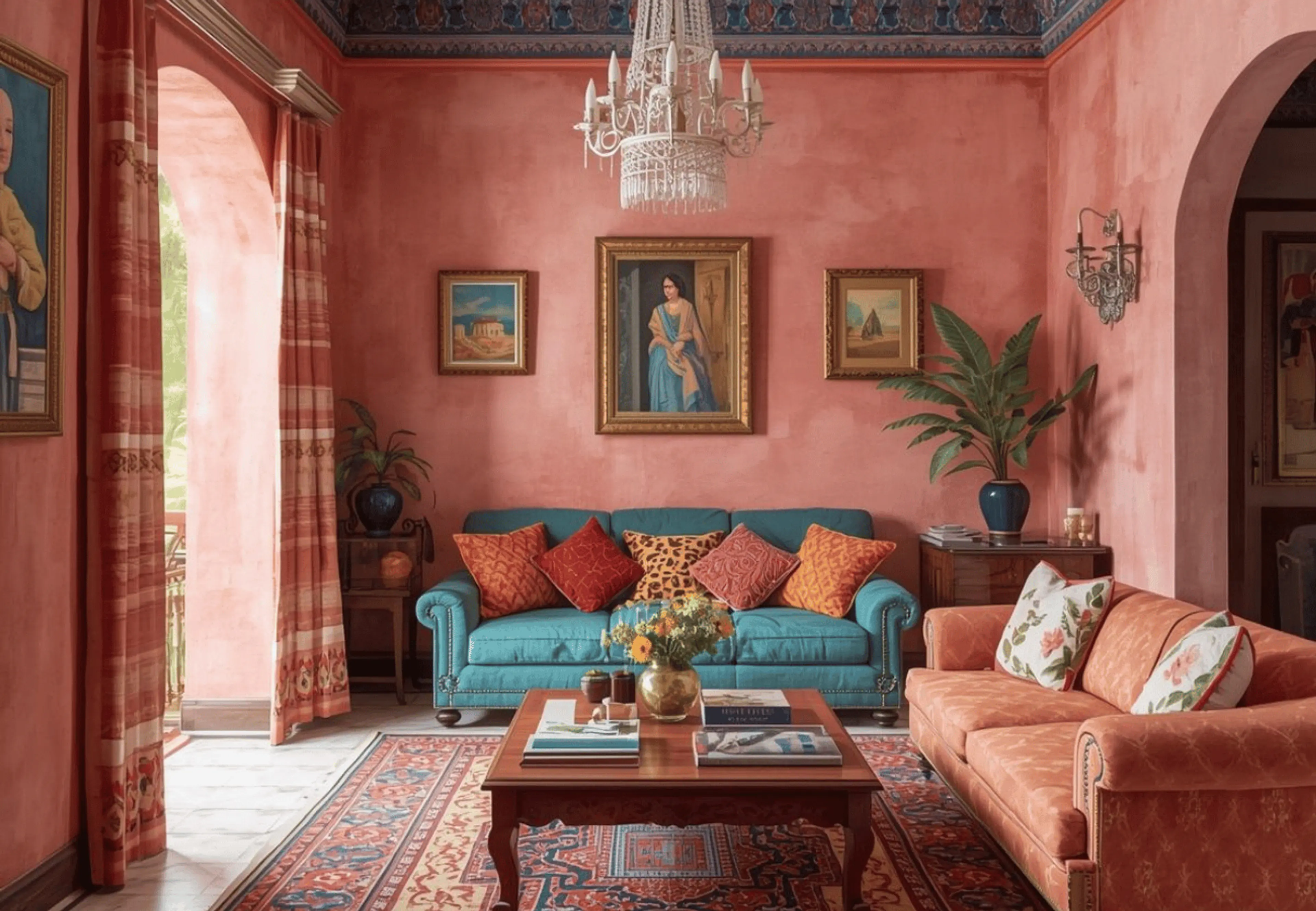
 Jan , 2026
- Berger Speaks
- 4 Min Read
Choosing interior wall paint is rarely just about picking a shade. Lighting changes, existing furniture, stains from daily life, and the risk of damp patches can turn a quick decision into a long debate. The simplest way forward is to pair colour with performance.
Decide the mood you want in each room, then choose a finish that can handle how that room is used. Read on to know more.
Get Expert Colour Ideas
Why Choosing The Right Interior Paint Matters
The paint you select shapes appearance, maintenance, and comfort. Colour draws the eye, yet durability and cleanability determine whether the room still looks fresh after months of use.
Enhances Home Aesthetics
Start with what will not change soon: flooring, major furniture, and curtains. Then test undertones. Whites, greys, and beiges can read warm, cool, or neutral, and they shift with daylight and artificial light. Try sample patches on two walls and view them at different times. It is the quickest way to avoid a shade that feels flat at night or too sharp at noon.
Improves Durability
The best paint for home interior balances beauty with real life. Busy corridors, kid zones, and dining areas benefit from washable paint that resists stains and survives gentle scrubbing. On trims and doors, a harder enamel finish resists knocks and frequent cleaning.
Supports A Healthy Living Space
New paint can release odours and compounds as it cures. Choose low VOC options whenever possible, ventilate well, and allow recommended drying time before heavy use. Bedrooms, nurseries, and home offices especially benefit from this approach.
Understand Different Types Of Interior Paints
Knowing the main categories helps you match performance to each space rather than buying on price alone.
1. Emulsion Paints
Water based emulsions are the go to for most interior walls. They offer low odour application, good colour depth, and a range of finishes from matte to soft sheen. Premium variants add better stain resistance and washability, ideal for living rooms and family spaces.
2. Enamel Paints
Enamel creates a harder, glossier film that is easy to wipe, which makes it a smart pick for doors, window frames, skirting, and metal grills. Use it where you expect frequent contact and cleaning.
3.Distemper Paints
Distemper is an economical option with a gentle, chalk-like look. It suits low traffic areas or short-term refreshes, but it is less washable than modern emulsions, so it is not a long-term choice for busy rooms.
4. Texture Paint
Texture finishes add depth, mask minor flaws, and create a focal wall. Application skill matters, so professional painting services can make a clear difference to the final effect.
Select Paint Colours Based On Room Type
Think about the job each room must do welcome, rest, focus, or freshness. Then choose the finish that fits its wear and moisture levels.
Best Paint Colours For The Living Room
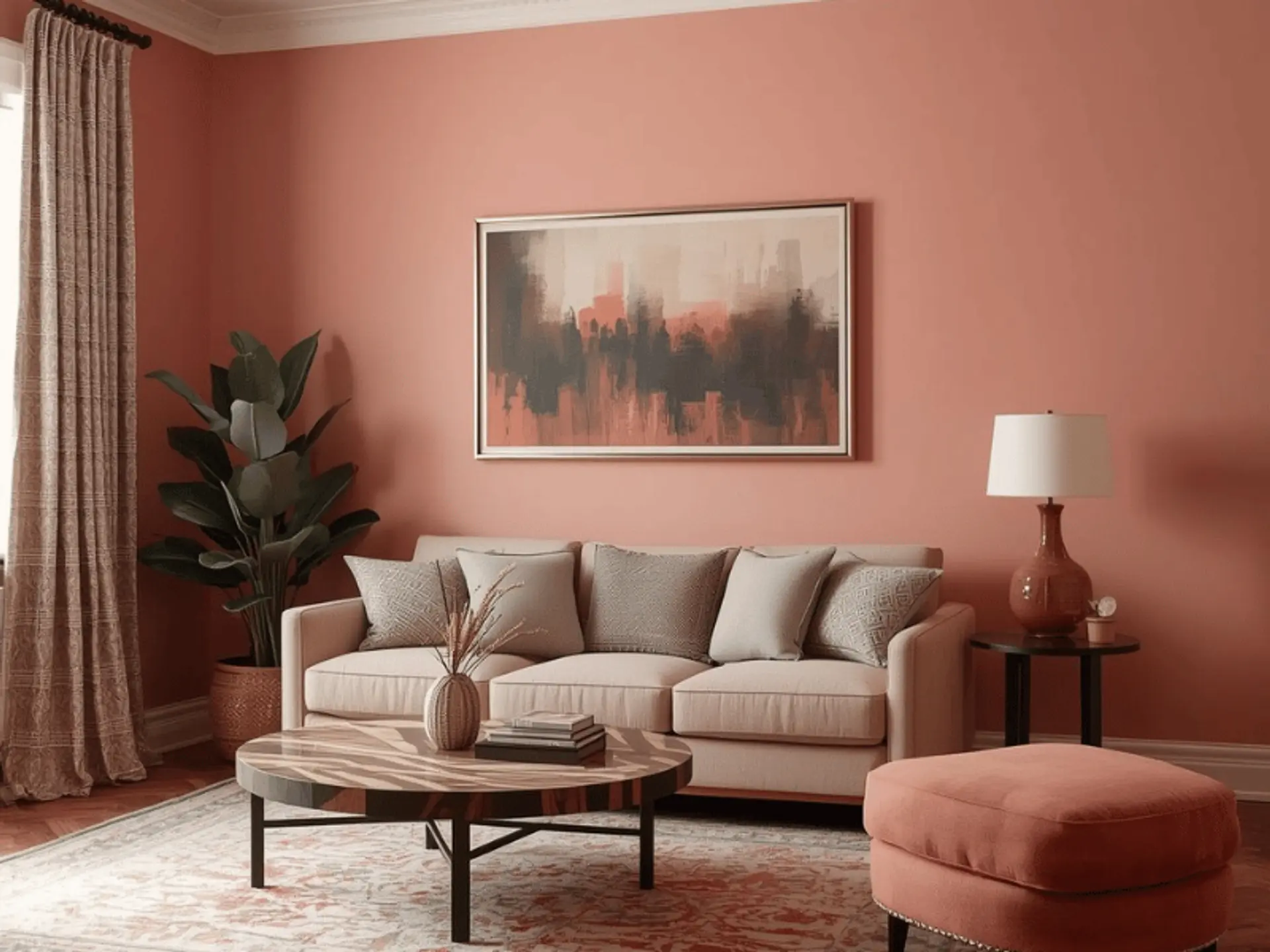
Living rooms work best with flexible bases that suit evolving décor. Neutrals such as beige, cream, greige, and warm grey create a calm backdrop. Durable matte or soft sheen emulsions offer an elegant look that still cleans well.
Best Paint Colours For Bedroom
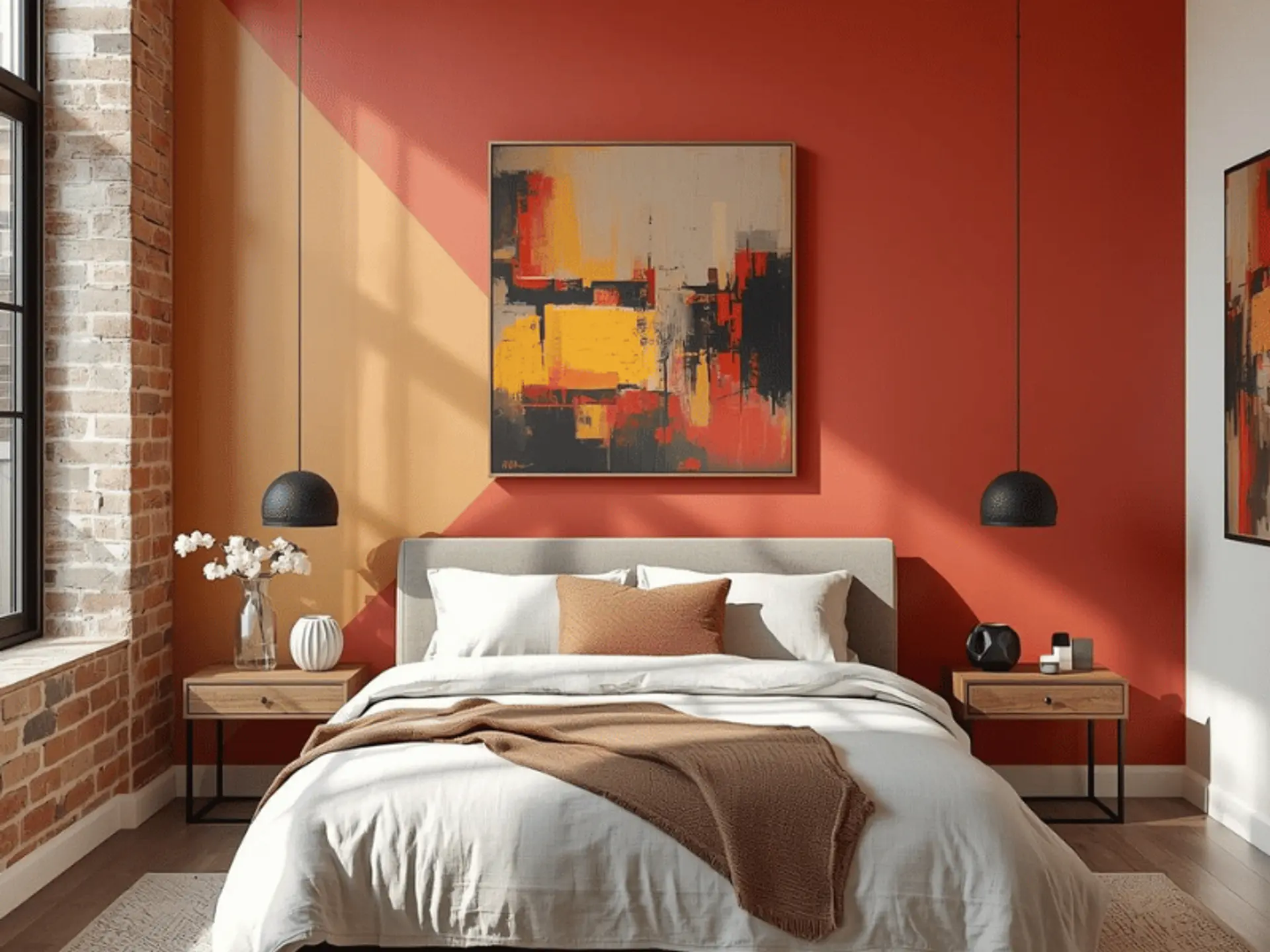
For sleep and recovery, quieter shades help. Pastel blue, lavender, light green, or muted earth tones soften the space without making it dull. Keep high contrast colours to smaller elements so the room stays restful.
Best Paint Colours For Kitchen And Bathroom
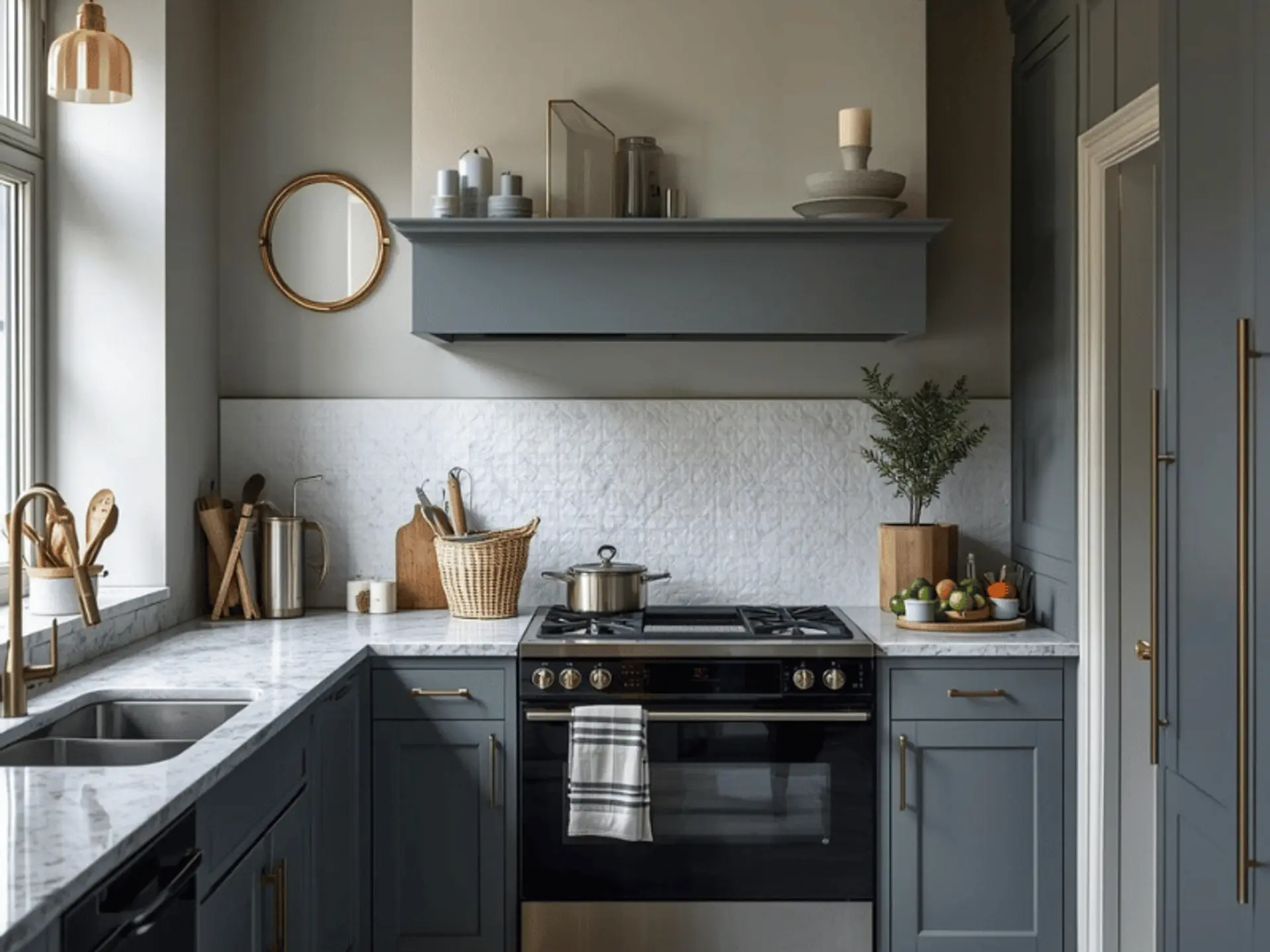
These rooms demand brightness and easy cleaning. Whites, light greys, soft yellow, or pastel green keep spaces open and fresh. Choose moisture-resistant finishes, and if you have even mild damp issues, plan a waterproof painting system before your colour coat to prevent bubbling and patching.
Trending Interior Colour Ideas For Modern Homes
Design is leaning toward comfort, warmth, and nature-led palettes that age gracefully and feel welcoming year-round.
Earthy Neutrals
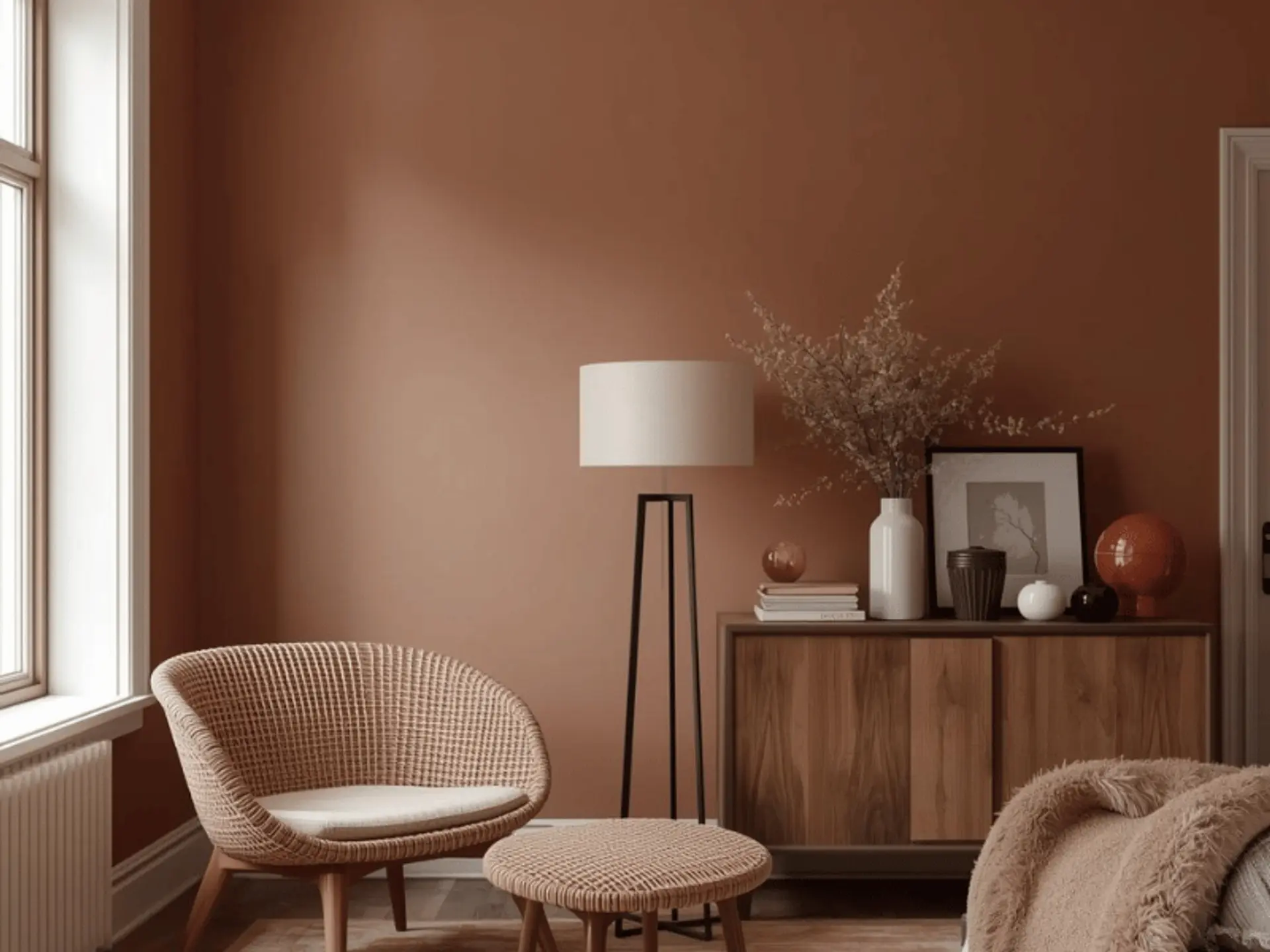
Warm beige, taupe, terracotta, and clay-inspired tones bring a grounded elegance. They pair well with natural wood, cane, and brushed metal accents.
Soft Pastels
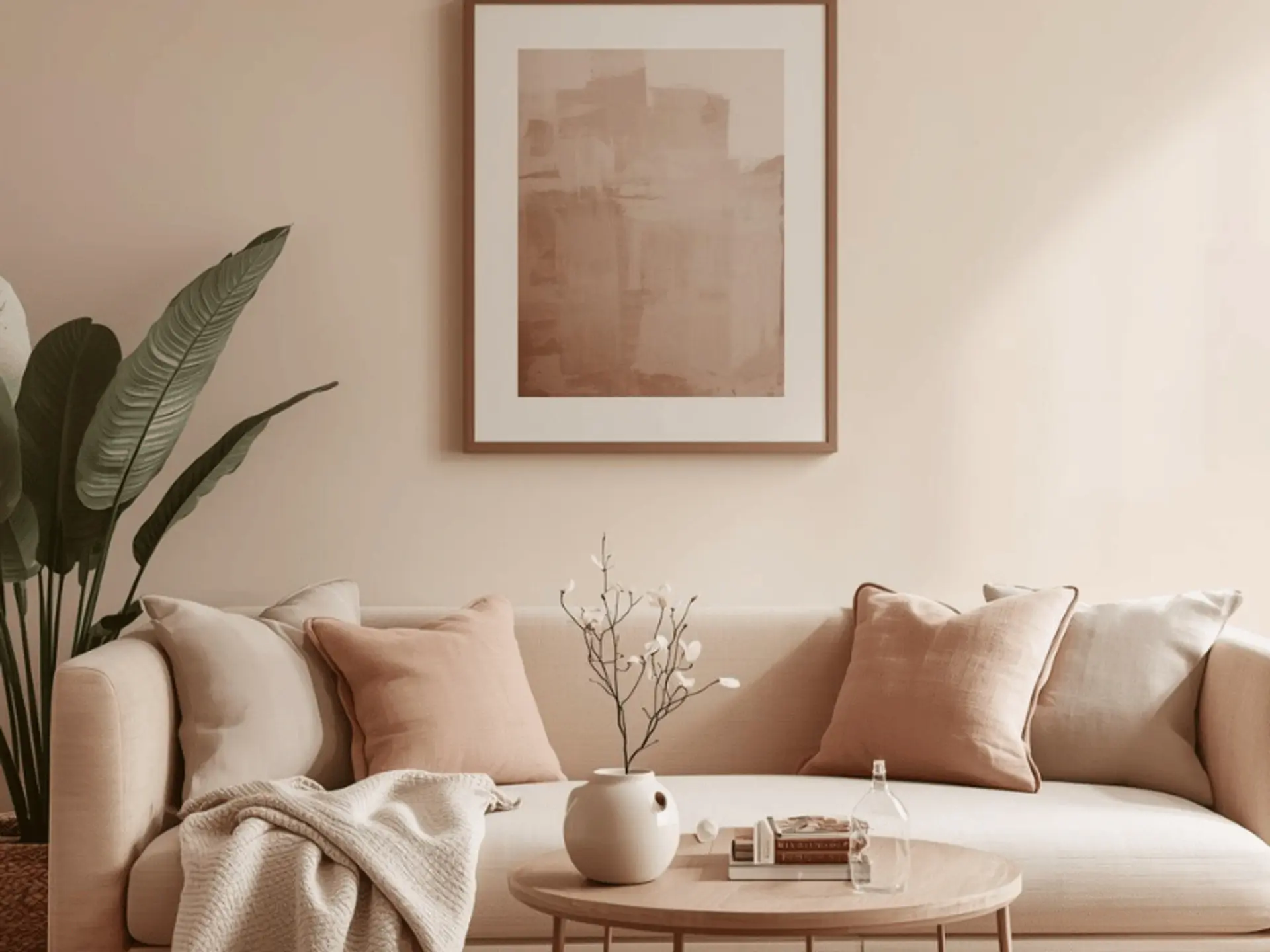
Pastel peach, blush pink, powder blue, and mint green create light and airy rooms that still read modern when balanced with off-white trims and simple textures.
Nature-Inspired Greens
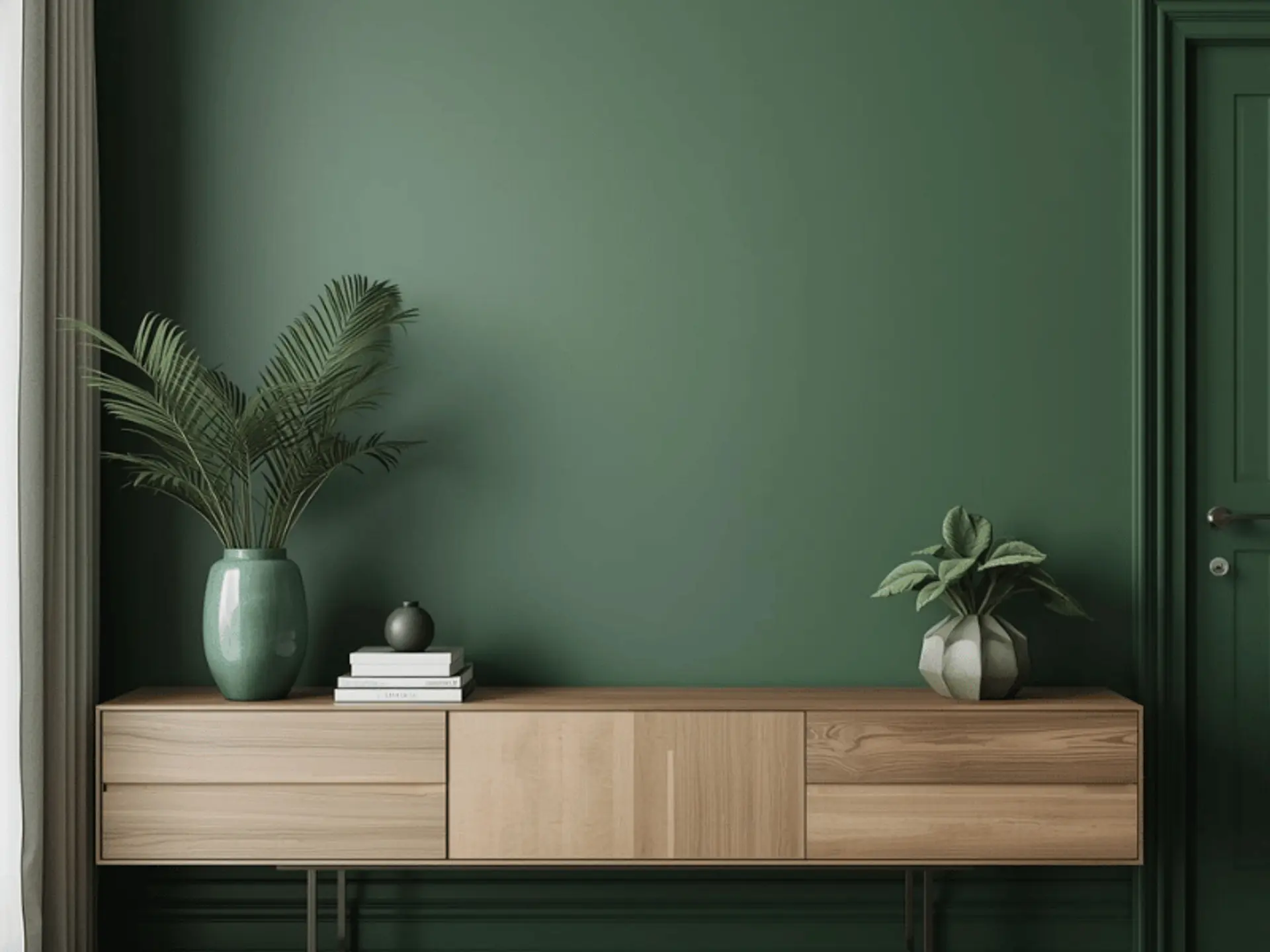
Olive, sage, and eucalyptus shades deliver calm while remaining sophisticated. They link spaces beautifully and work with both warm and cool neutrals.
Warm Whites And Creams
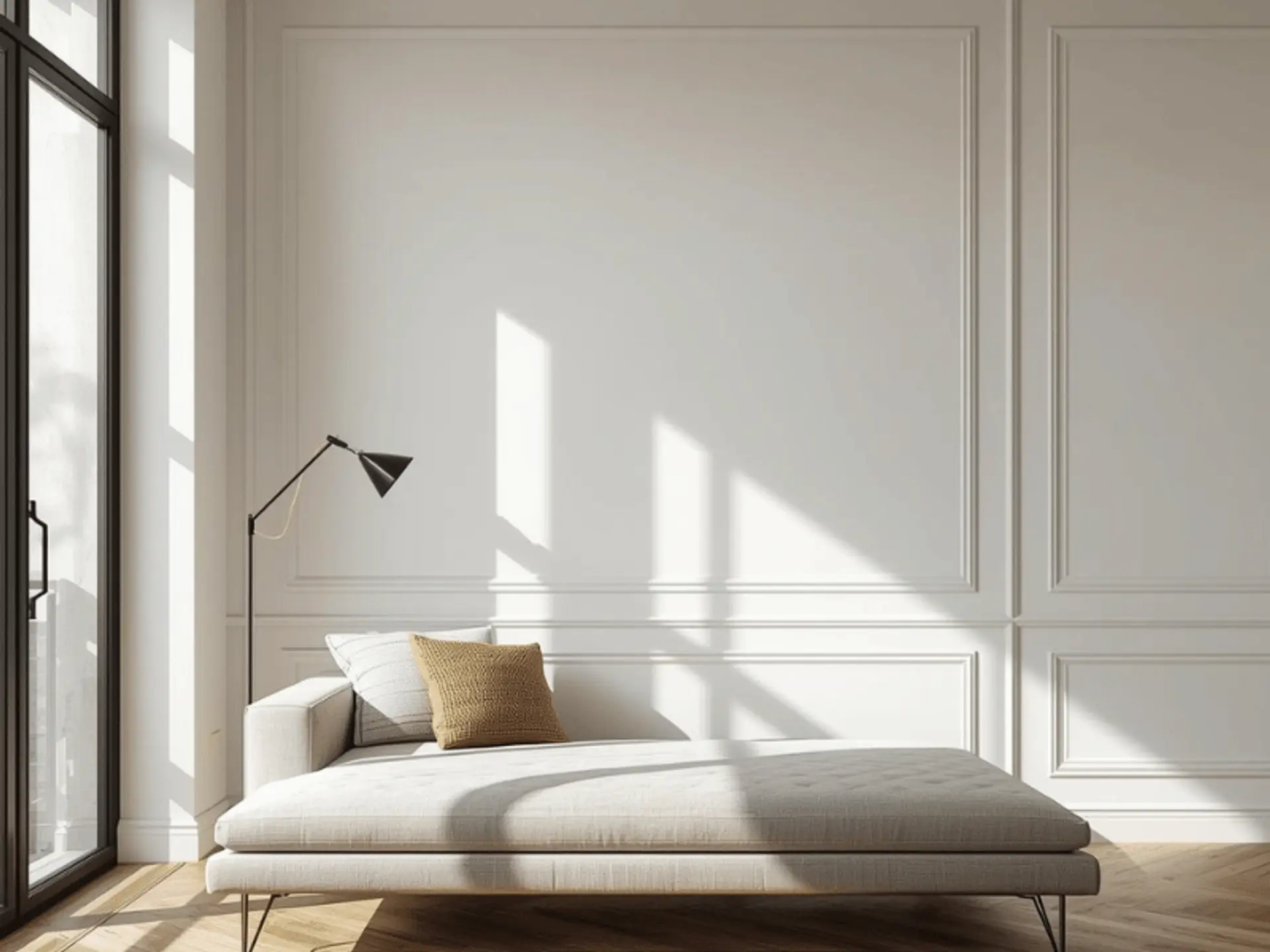
When you want brightness without a stark look, warm whites and creams are ideal. They make artwork, textiles, and timber finishes stand out.
Conclusion
Great results come from aligning colour, finish, and room use. Test small patches in different lights, select washable finishes for high-touch zones, and address moisture before painting so your walls stay beautiful.
If you prefer a seamless outcome, professional painting services can handle surface preparation, colour guidance, and quantity estimates with a paint calculator for accurate planning.
check for any query you have about the blog
Frequently Asked Questions
Begin with the room’s purpose and fixed finishes, then test two or three sample patches to check undertones in daylight and evening before deciding.
Choose a moisture-resistant, washable emulsion in soft sheen or satin, and address any damp with waterproof treatment before the colour coat.
A premium acrylic emulsion applied over well-prepared surfaces typically outperforms budget options and stays fresher for years.
Yes, it's easy clean and finish resists everyday marks, keeping high-traffic rooms looking new and reducing repaints over time.