Creative Wall Painting Ideas

 Dec , 2025
- Berger Speaks
- 4 Min Read
In most Indian homes, a fresh coat of wall painting can do more than brighten a room. It can change how spacious, calm, or lively it feels. If you’re renting, working with compact rooms, or bored of plain walls, these painting ideas keep the process simple: a few tools, lines, and colours that suit your lifestyle.
Before you start, clean dust, fill small cracks, and use primer if the wall is patchy. Paint one test swatch and check it in morning and evening light; this small step avoids surprises.
Creative Wall Painting Ideas You Should Try
Below are wall painting ideas that look stylish without needing advanced skills. Choose one feature wall first, then repeat the technique in smaller touches indoors.
1. Geometric Wall Patterns
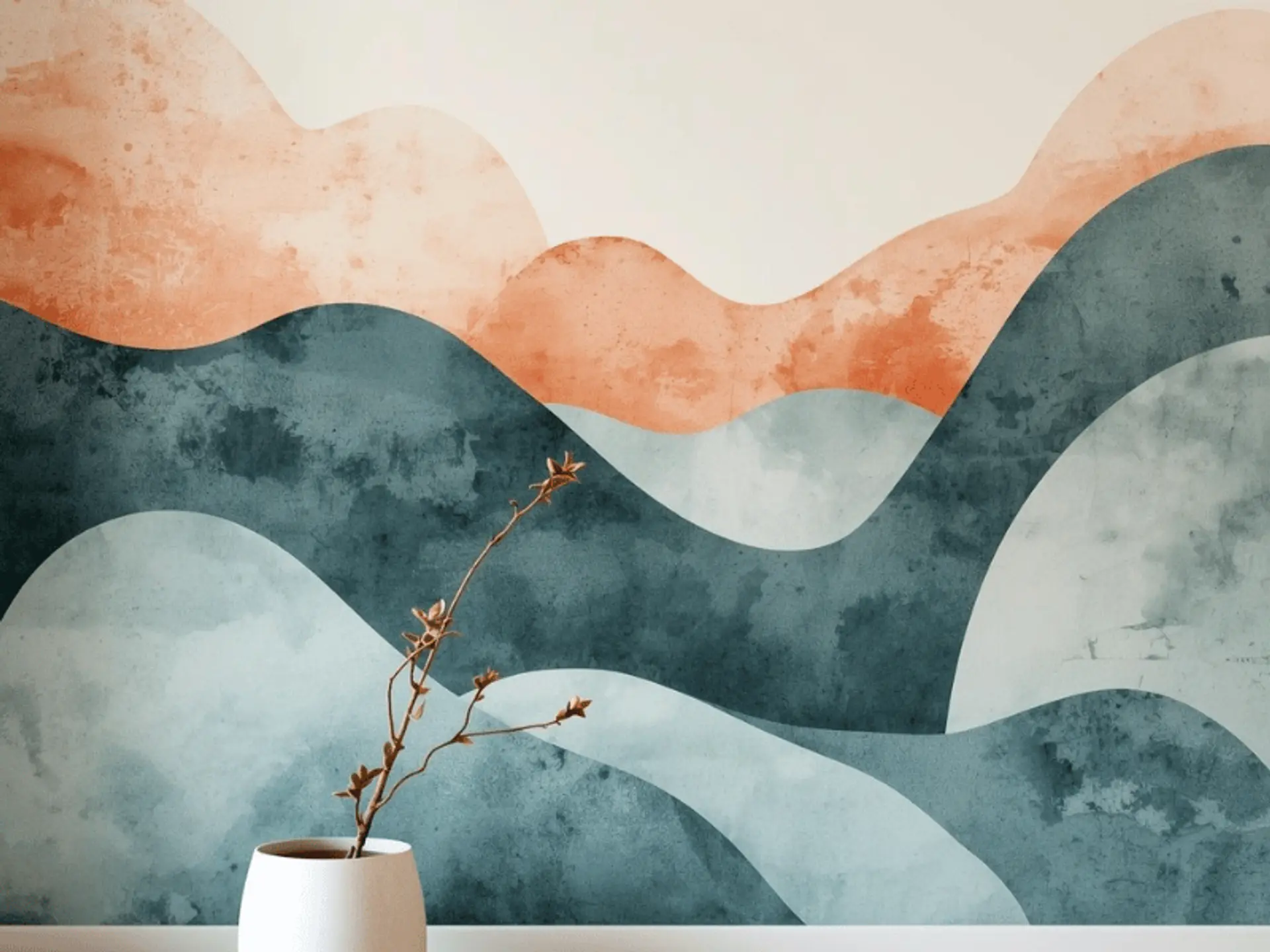
Sharp shapes feel modern and work well in living rooms, study corners, and kids’ zones. A neat geometric wall painting can also hide wall imperfections because the eye focuses on the pattern.
How to Create Simple Geometric Shapes
- Use painter’s tape to outline triangles, squares, or abstract shapes.
- Choose 2-4 colours that complement each other and match your wall paint design ideas for the space.
- Paint each section with different shades for a clean, contemporary look, then peel the tape slowly while the paint is slightly tacky.
2. Ombre Wall Effect
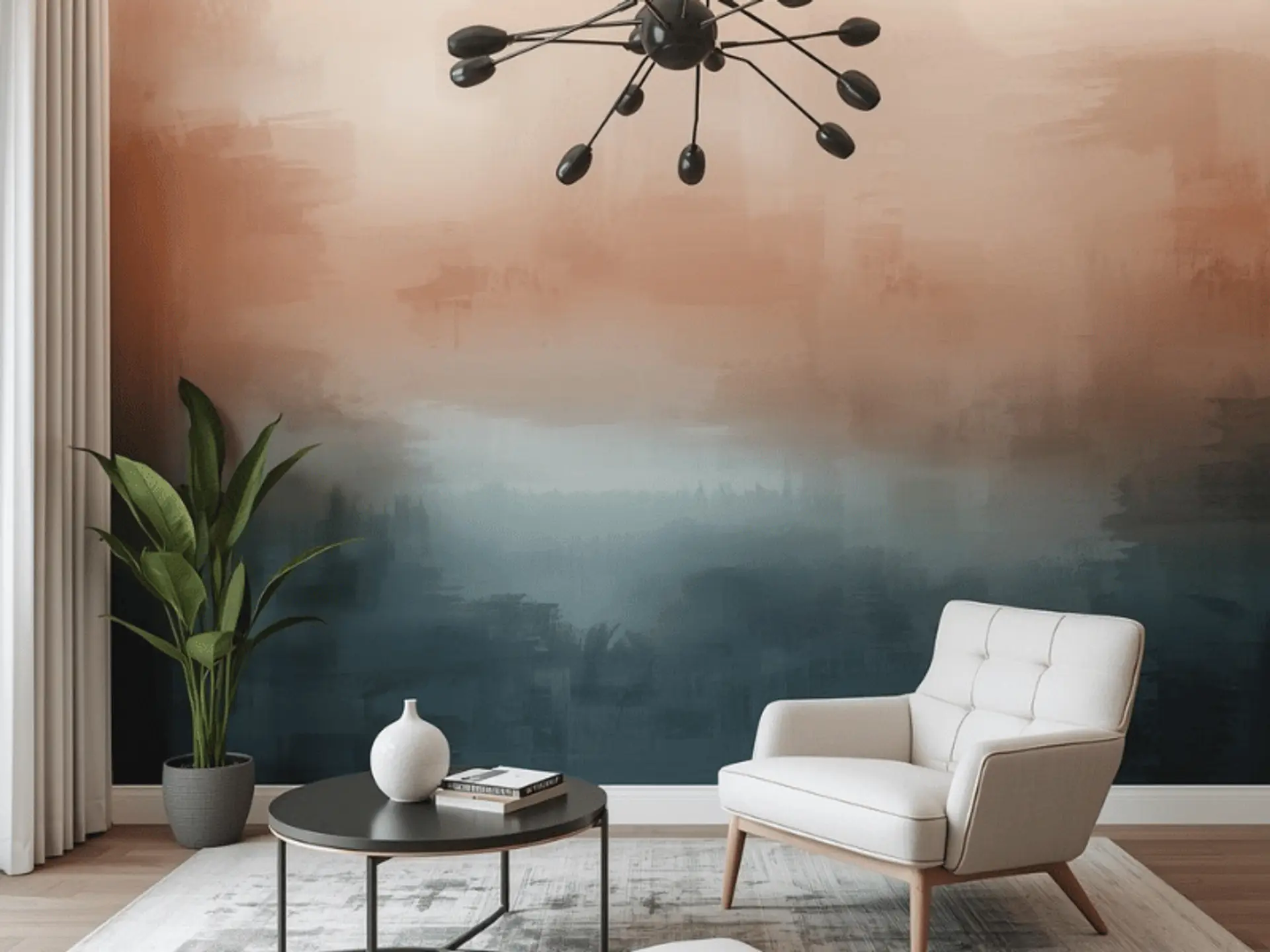
Ombre gives a soft fade from light to dark, which is calming for bedrooms and reading corners. It is a smart approach when you want a rich wall colour design without harsh lines.
Easy Steps for a DIY Ombre Wall
- Pick 2-3 colour shades of the same colour family (for example, blush to rose, or sky to navy).
- Paint the top light, the bottom dark, and blend the middle using a damp sponge or a wide brush.
- Mist lightly with water to extend blending time in warm weather.
3. Stencil Wall Art
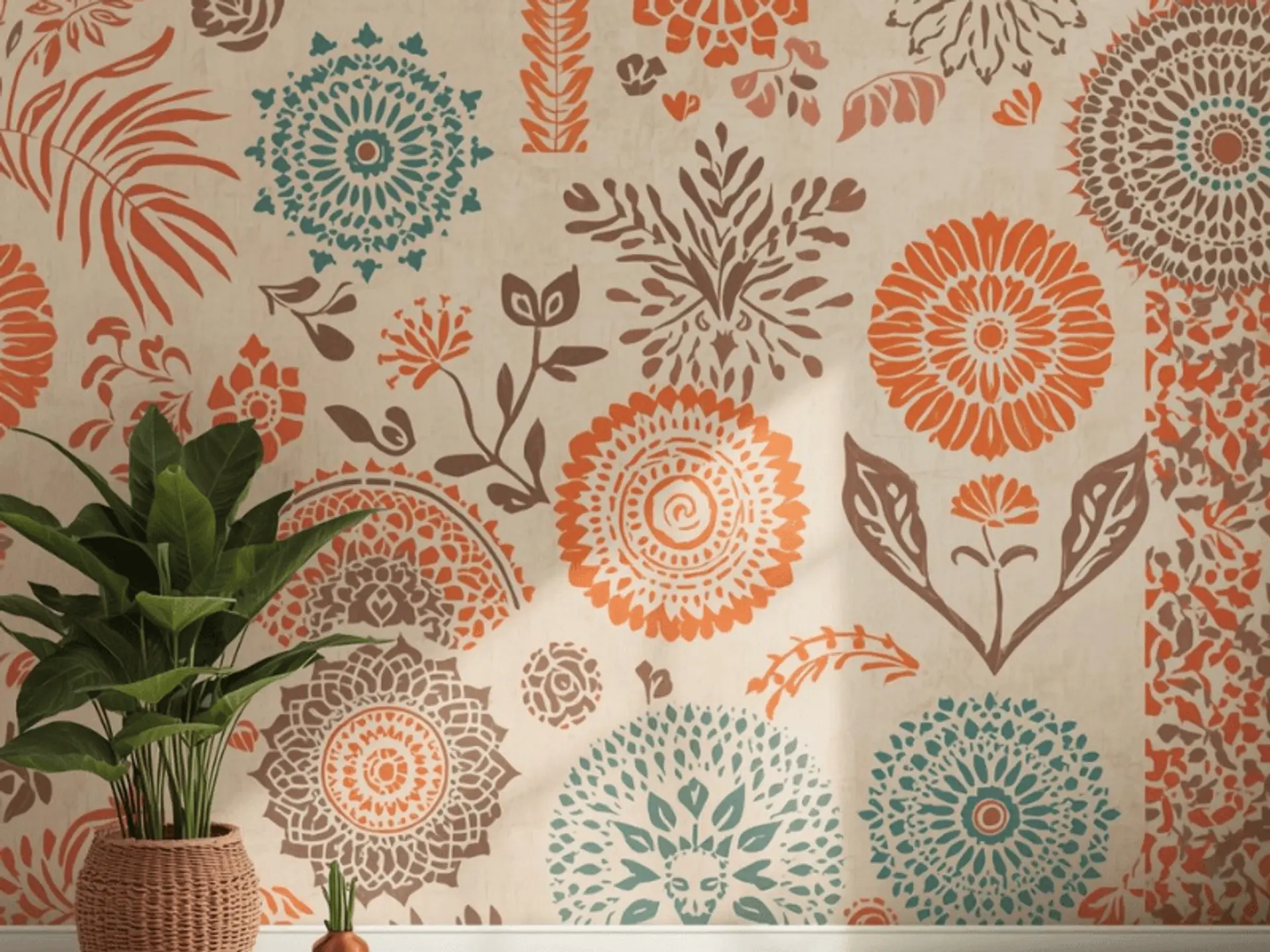
Stencils are great when you want a patterned wall but don’t want to draw freehand. They are among the easiest wall painting ideas at home because the design stays consistent.
Why Stencils Are Perfect for Beginners
- Repeatable patterns create an even, designer finish.
- No drawing skills needed; just align and dab.
- Washable stencils are easy to clean and reuse for another room.
4. Two-Tone Walls
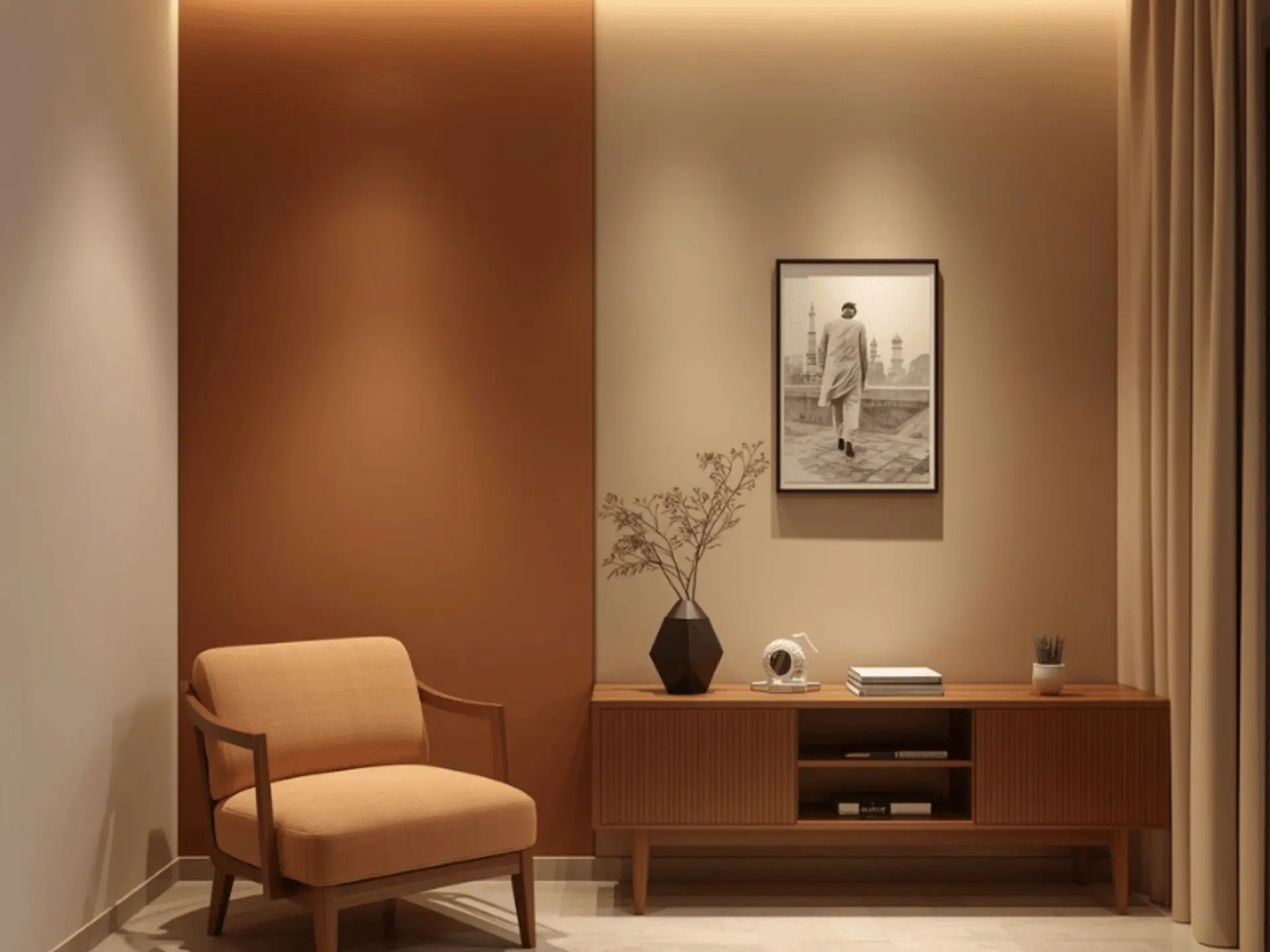
A two-tone split adds depth and makes small rooms feel organised. It pairs well with simple furniture and works for modern room paint design in flats and homes alike.
How to Paint a Two-Tone Wall
- Use painter’s tape to divide the wall horizontally or vertically.
- Apply the lighter colour on top for openness and the darker colour at the bottom for stability.
- In busy hallways, choose a wipeable finish for the lower portion.
5. Sponge Painting Technique
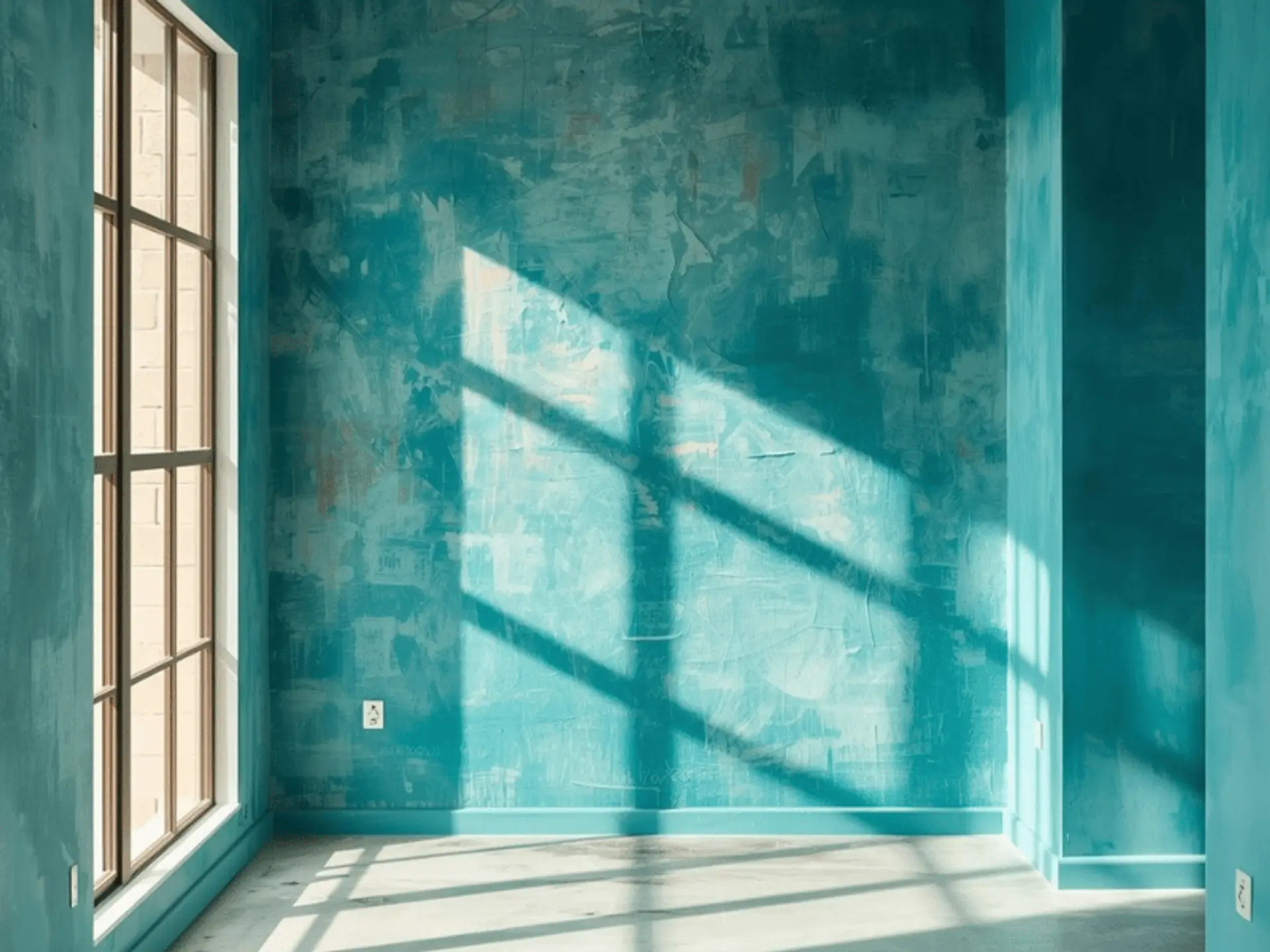
Sponge painting adds texture without heavy effort and looks lovely behind a sofa or dressing area. It can be a subtle upgrade to your overall home painting design.
Steps to Create a Sponge Effect
- Dip a natural sponge into paint and blot off excess on paper.
- Dab lightly over a dry base coat, rotating the sponge to avoid repeats.
- Layer slowly until you reach the texture you want, then stop before it looks crowded.
6. Striped Wall Designs
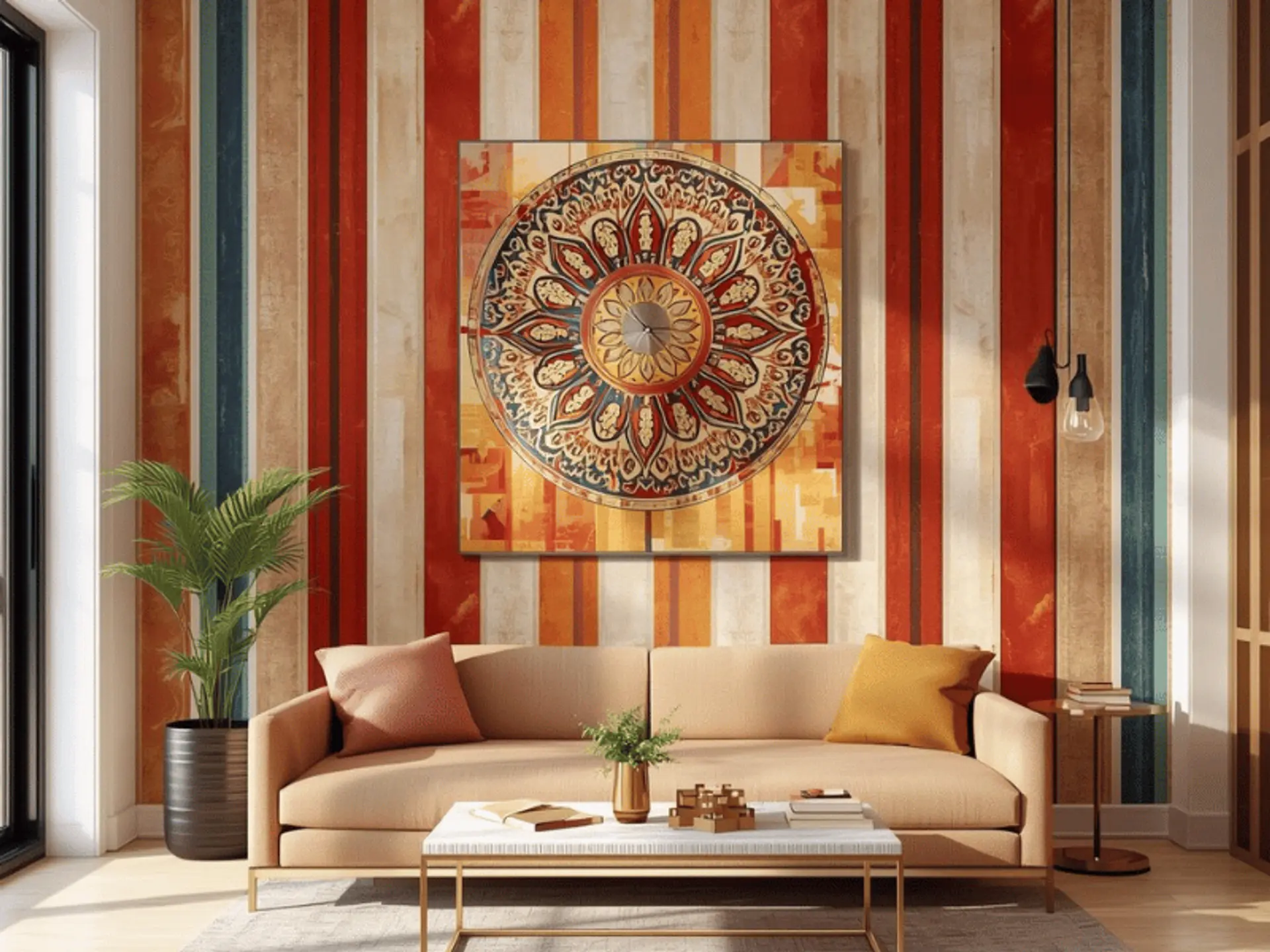
Stripes can change how a room feels: taller, wider, or more playful. They suit dining areas, corridors, and even wall painting ideas for bedroom when the colours are soft.
Vertical vs Horizontal Stripes
- Vertical stripes can make ceilings appear higher, which helps in low-ceiling apartments.
- Horizontal stripes can make rooms look wider, especially in narrow passages.
7. Accent Wall Murals
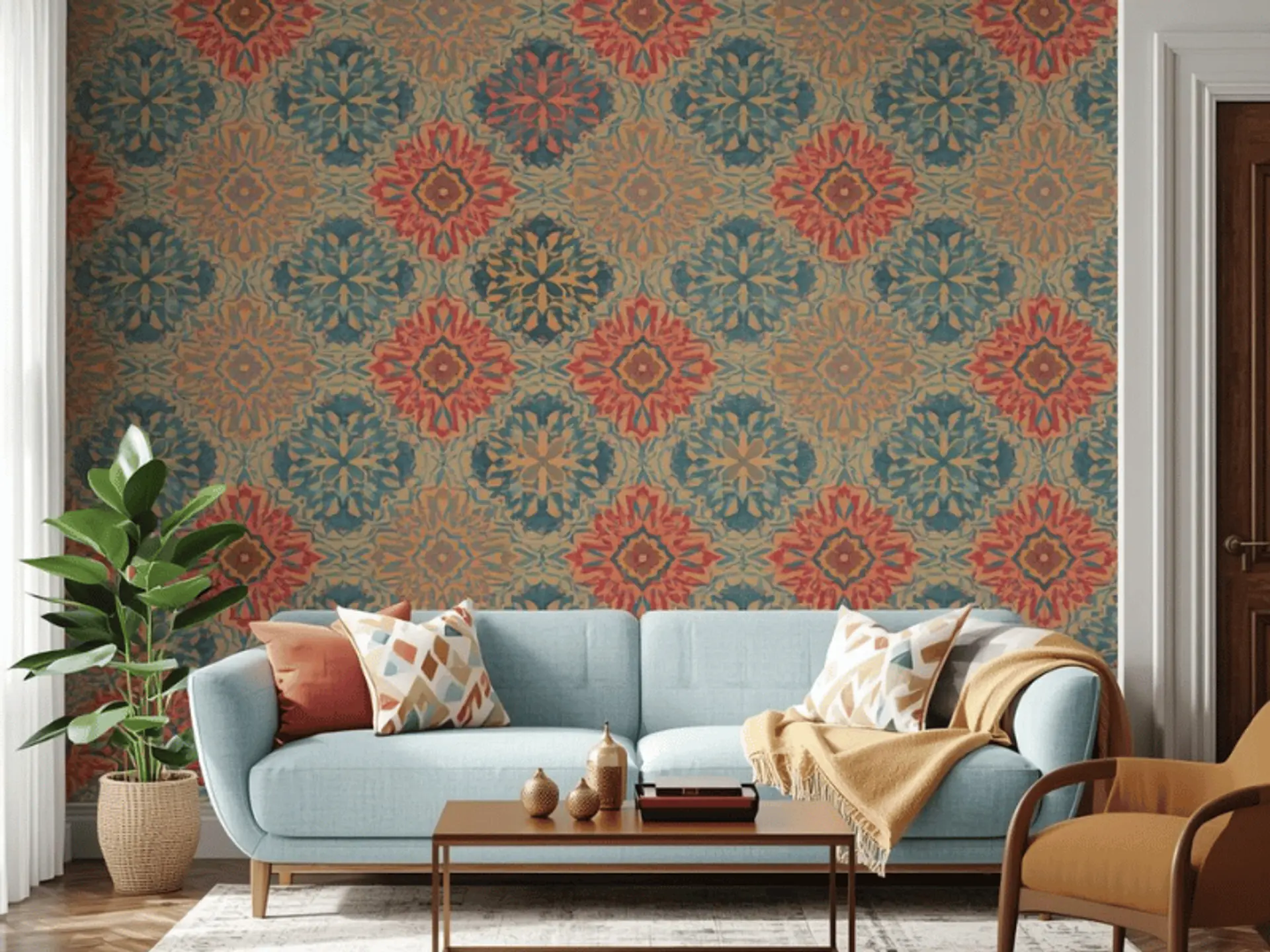
A mural doesn’t have to be complex. A single painted scene behind a bed, sofa, or study desk can become the room’s signature, especially if you treat it as accent wall ideas. When you shortlist wall mural painting ideas, stick to silhouettes and two colours first.
Easy Mural Ideas
- Mountain silhouette in two tones
- Sun-and-horizon theme for a warm glow
- Abstract waves for a relaxed vibe
- Minimalist rainbow streaks for kids’ spaces
8. Colour Blocking Technique
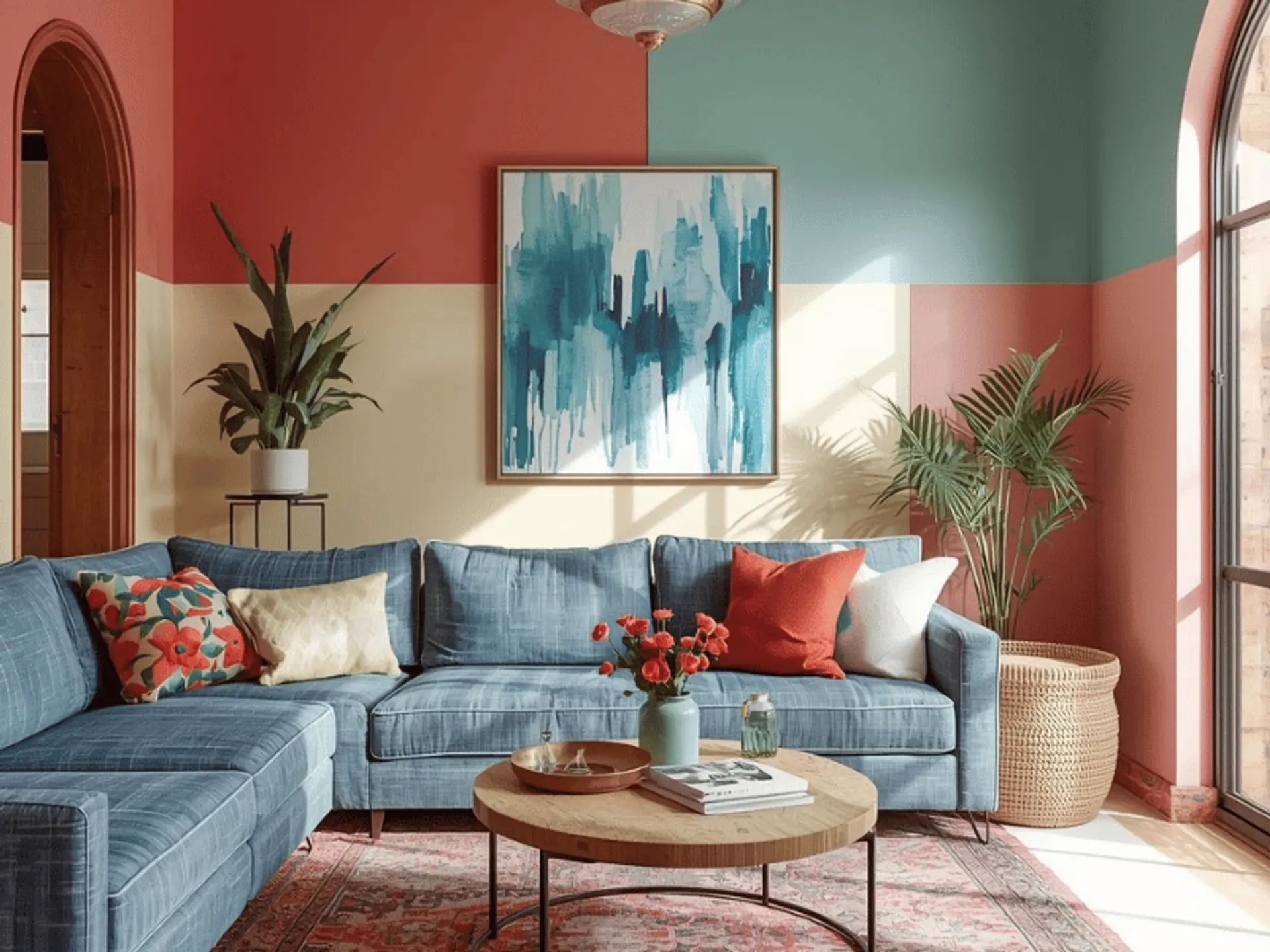
Colour blocking is bold, tidy, and perfect for work-from-home corners because it creates clear visual zones. It also upgrades room painting ideas with crisp shapes.
How to Create a Colour-Blocked Wall
- Outline shapes using tape, keeping edges sharp.
- Paint each block with contrasting colours that still sit well together.
- Let each block dry before removing the tape to prevent smudges.
9. Polka Dot Walls
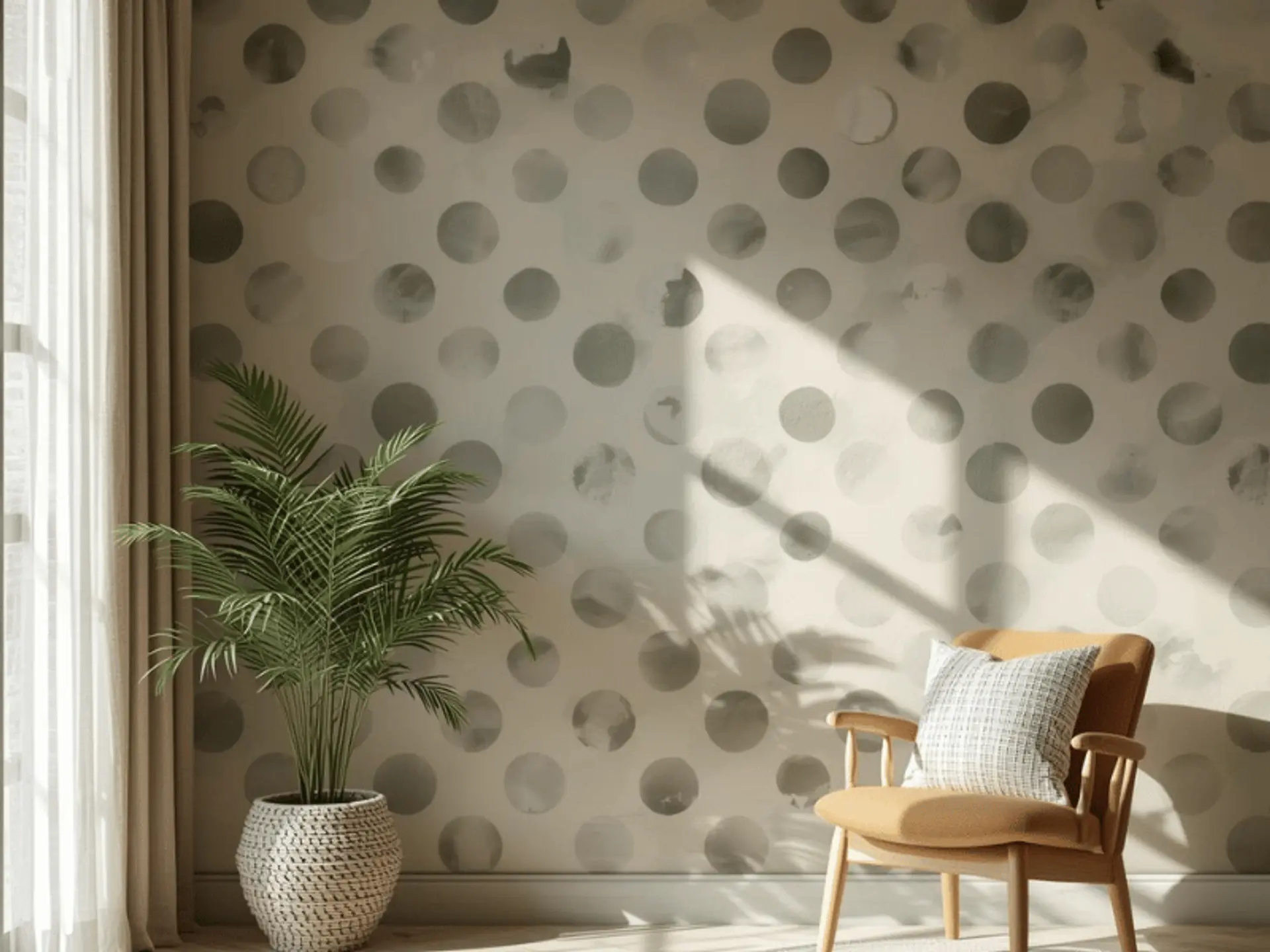
Polka dots bring energy to nurseries, craft rooms, and playful corners. This is a fun form of DIY painting because you can control size, spacing, and colour easily.
Easy Polka Dot Method
- Use round sponges for soft dots, or stencil circles for sharper edges.
- Use stickers to test layouts before painting, especially on large walls.
- Mix small and medium dots for easy paint designs for walls that feel lively but balanced.
10. Brick Wall Effect
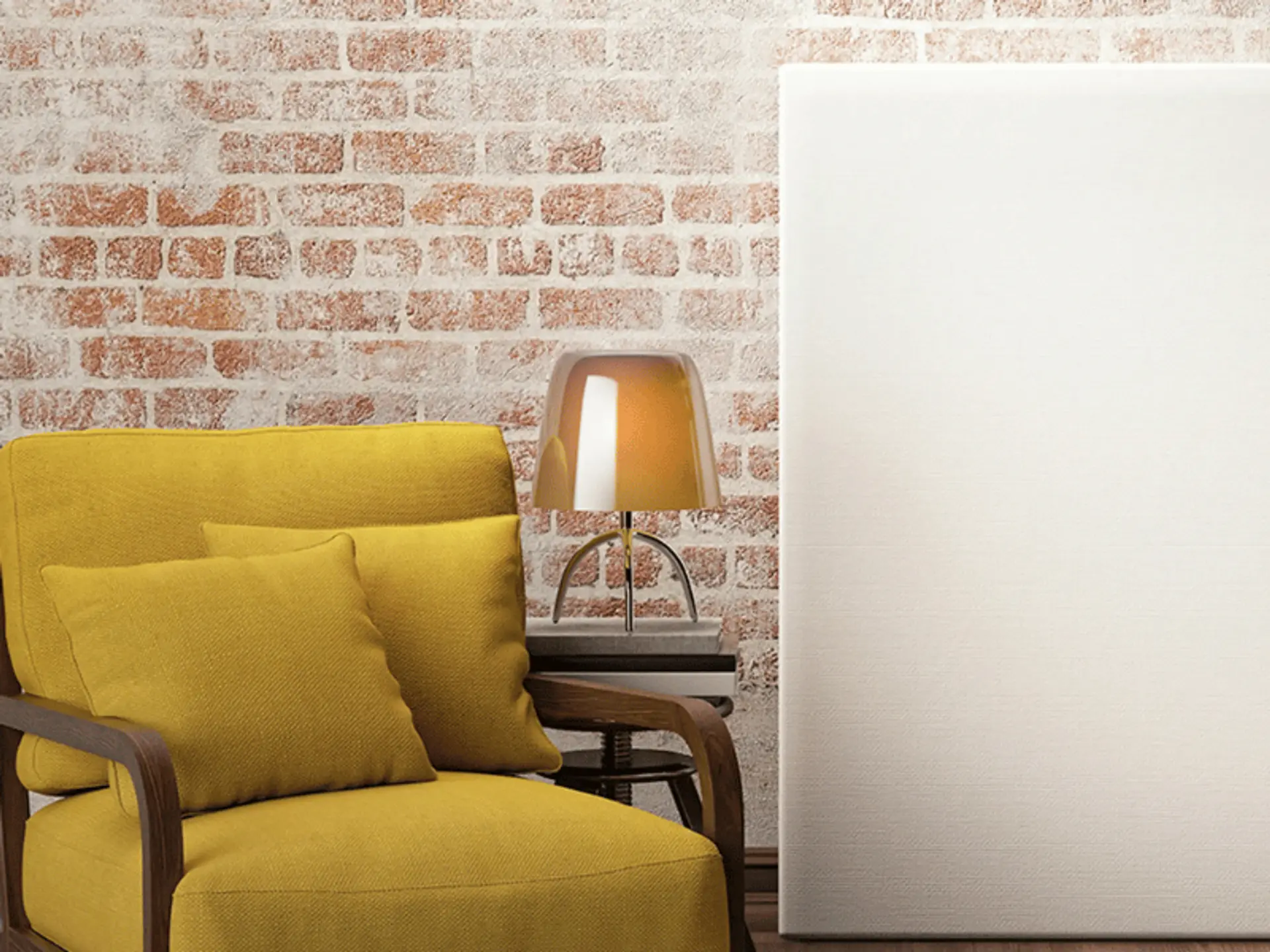
For this idea, you need a rectangular-shaped sponge and your chosen paint. Dip the sponge in a wall paint, preferably brick-red or brown, and press the sponge horizontally on a neutral-toned wall, spacing it out well and voila – you have your very own brick wall! You can also go for a weathered effect with a faded look as seen in the picture. This look is perfect for a lounge room, music room or a bachelor’s pad.
Conclusion
Done well, creative wall painting ideas can lift your home’s look and ambience in a weekend. Start with one wall, keep your palette tight, and focus on clean edges. These details make creative beautiful simple wall paintings look polished. For a flawless finish and a smooth, hassle-free experience, Berger Express Painting provides expert solutions with professional quality and faster results.
check for any query you have about the blog
Frequently Asked Questions
Tape-based geometric shapes, sponge texture, stencils, and simple stripes are beginner-friendly. They need basic tools, dry quickly, and deliver a visible change with controlled effort.
Pick one main colour, then add one lighter and one darker companion. Match the finish to the room: matte for low-glare bedrooms, washable satin for busy Indian corridors, and softer tones where you want calm.
Add contrast with a feature wall, keep patterns aligned, and finish with good lighting. Pair the painted wall with one or two décor elements (art frames, a mirror, or curtains), so it feels intentional, not random.