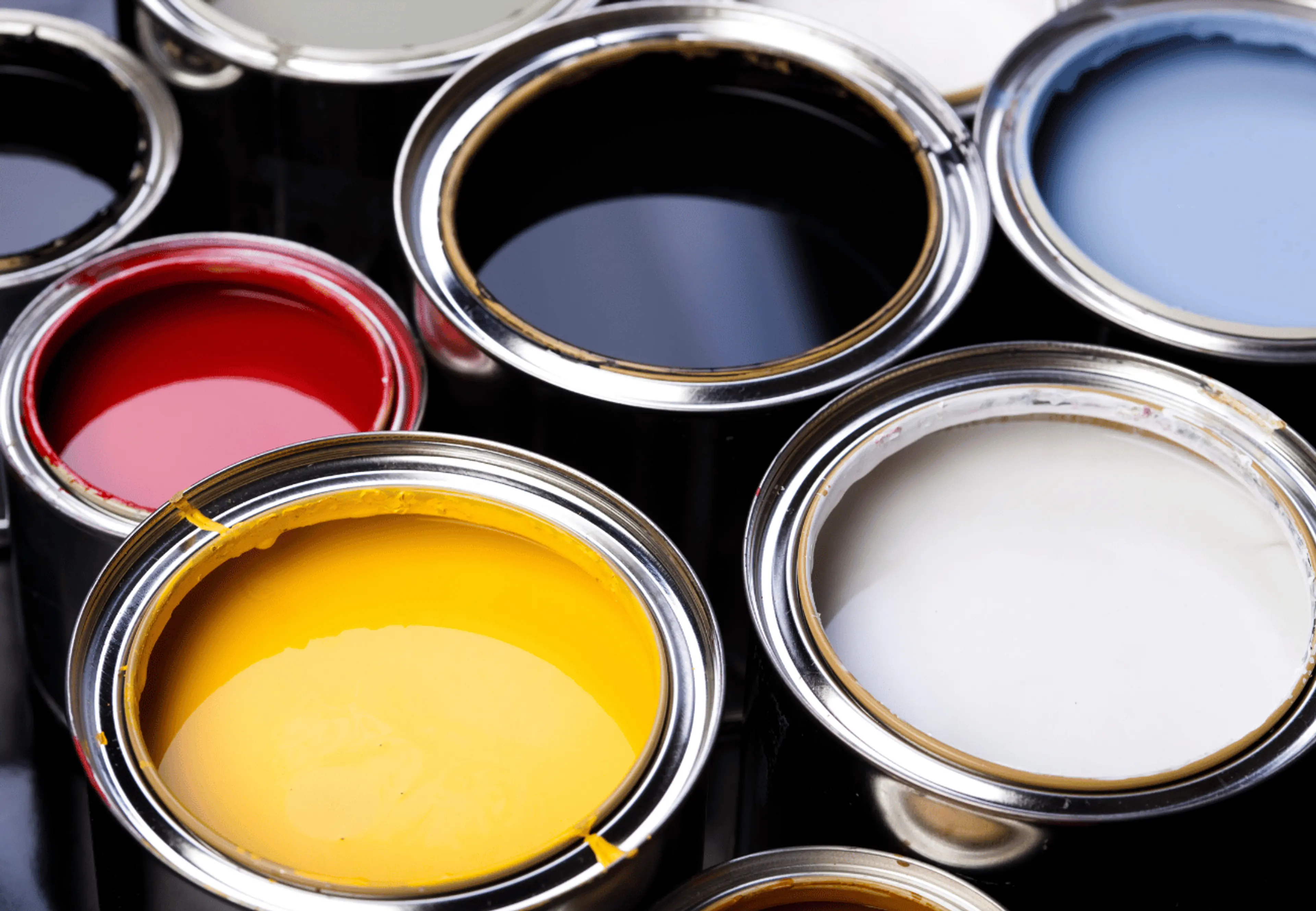
Introduction To Warm Colours
 Feb , 2026
- Berger Speaks
- 4 Min Read
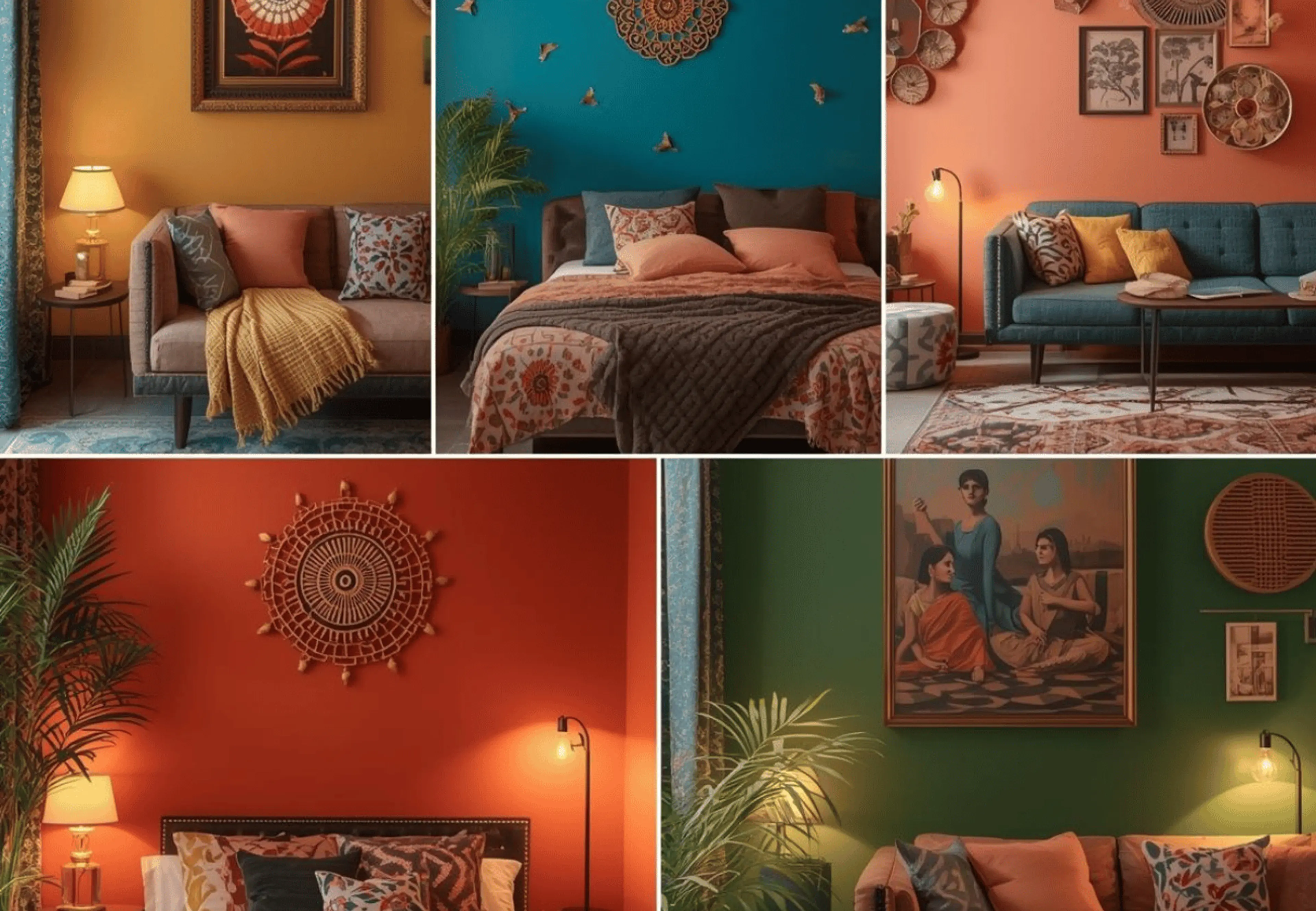
Warm colours are shades that add warmth, energy, and comfort to your home. If you are asking what warm colours are, they typically include reds, oranges, yellows, and earthy tones such as terracotta and brick.
Used thoughtfully in wall paint, they make spaces feel welcoming and cosy, especially in social areas. Since they change with lighting, test them in daylight and at night before finalising.
Meaning Of Warm Colours In Interior Wall Paint
Warm shades influence mood and how spacious a room feels. Whether you prefer warm neutral interior paint colours or bold accents, use each tone's meaning to decide where it belongs.
Also consider finish: matte can feel calm and velvety, while a slight sheen reflects light and makes colour appear stronger, especially on feature walls indoors.
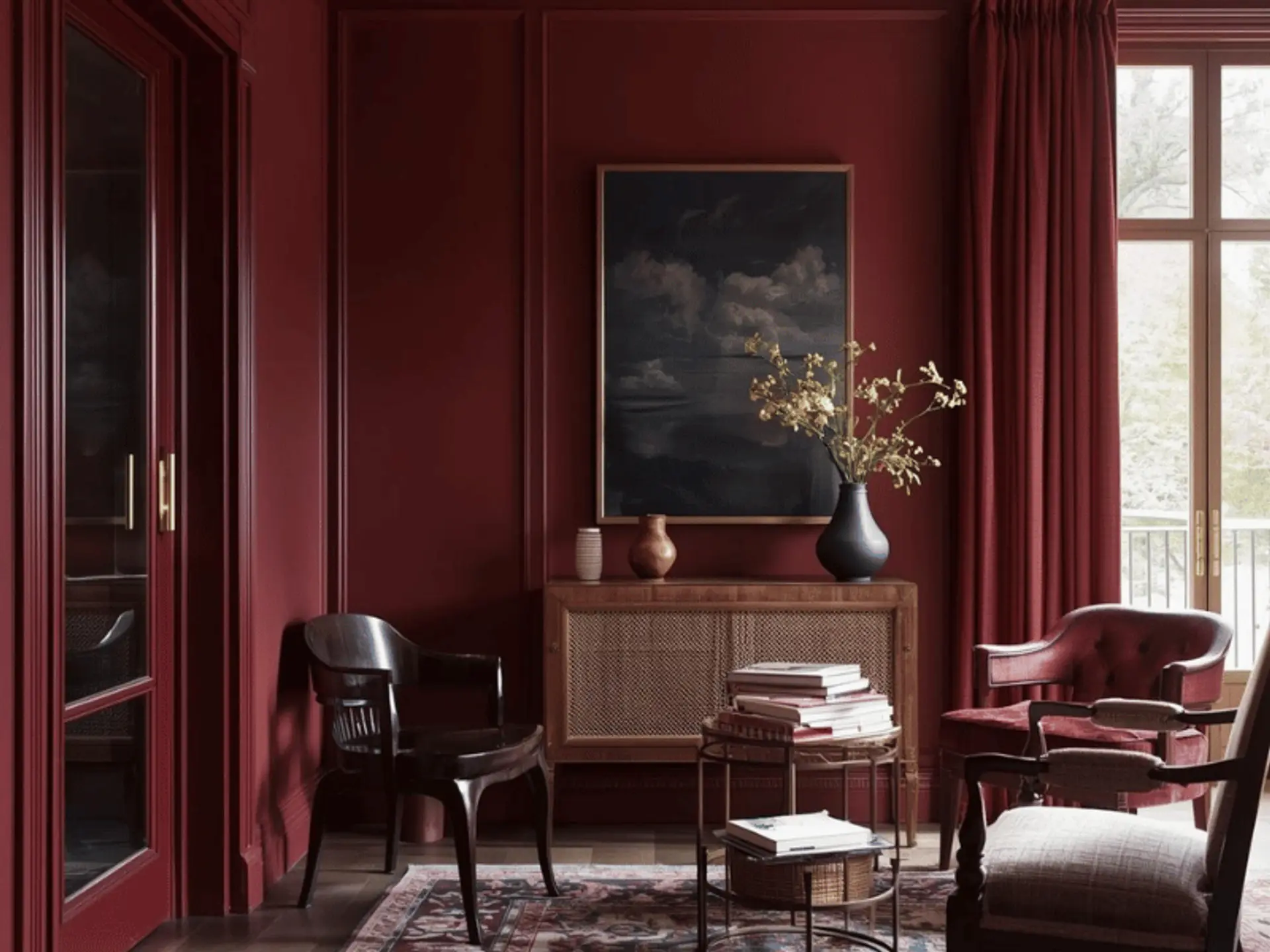
Red Walls: Bold & Dramatic
Meaning: Passion, strength, warmth.
Best for: Accent walls, dining rooms, statement spaces.
Effect: Creates an energetic, social setting.
Deep reds, brick tones, and muted wine shades suit traditional and luxury interiors. They look especially rich with wooden furniture, brass, or matte black décor. Balance them with the best warm neutral paint colours so the room stays elegant, not intense.
Orange & Terracotta: Cosy & Inviting
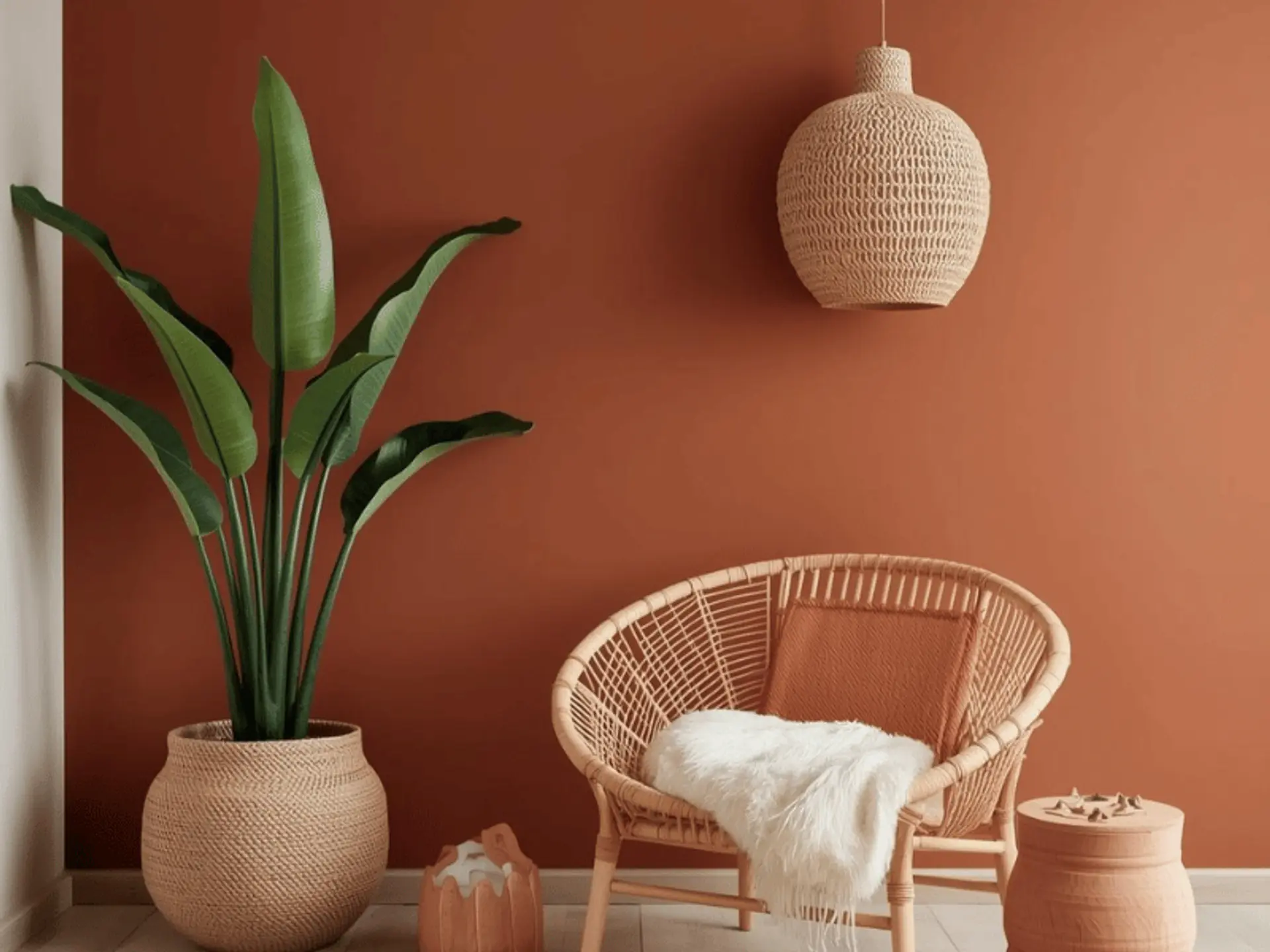
Meaning: Creativity, warmth, enthusiasm.
Best for: Living rooms, hallways, rustic interiors.
Effect: Makes spaces feel welcoming and earthy.
Terracotta feels grounded and natural, and it pairs well with cane, jute, clay décor, and indoor greens. Use it as a warm accent wall colour, then soften the look with light neutrals and natural textures.
Yellow Walls: Bright And Cheerful

Meaning: Happiness, positivity, energy.
Best for: Kitchens, breakfast nooks, small rooms.
Effect: Can make rooms feel sunnier and more open.
For subtle warmth, choose buttery, muted yellows. They pair easily with warm grey paint colours and soft creams. If you are unsure, keep yellow to one wall or to small accents.
Best Uses Of Warm Colours In Interior Design
Warm tones work best when matched to how you use the room. Keep saturation in check and let lighting do some of the work.
Living Rooms
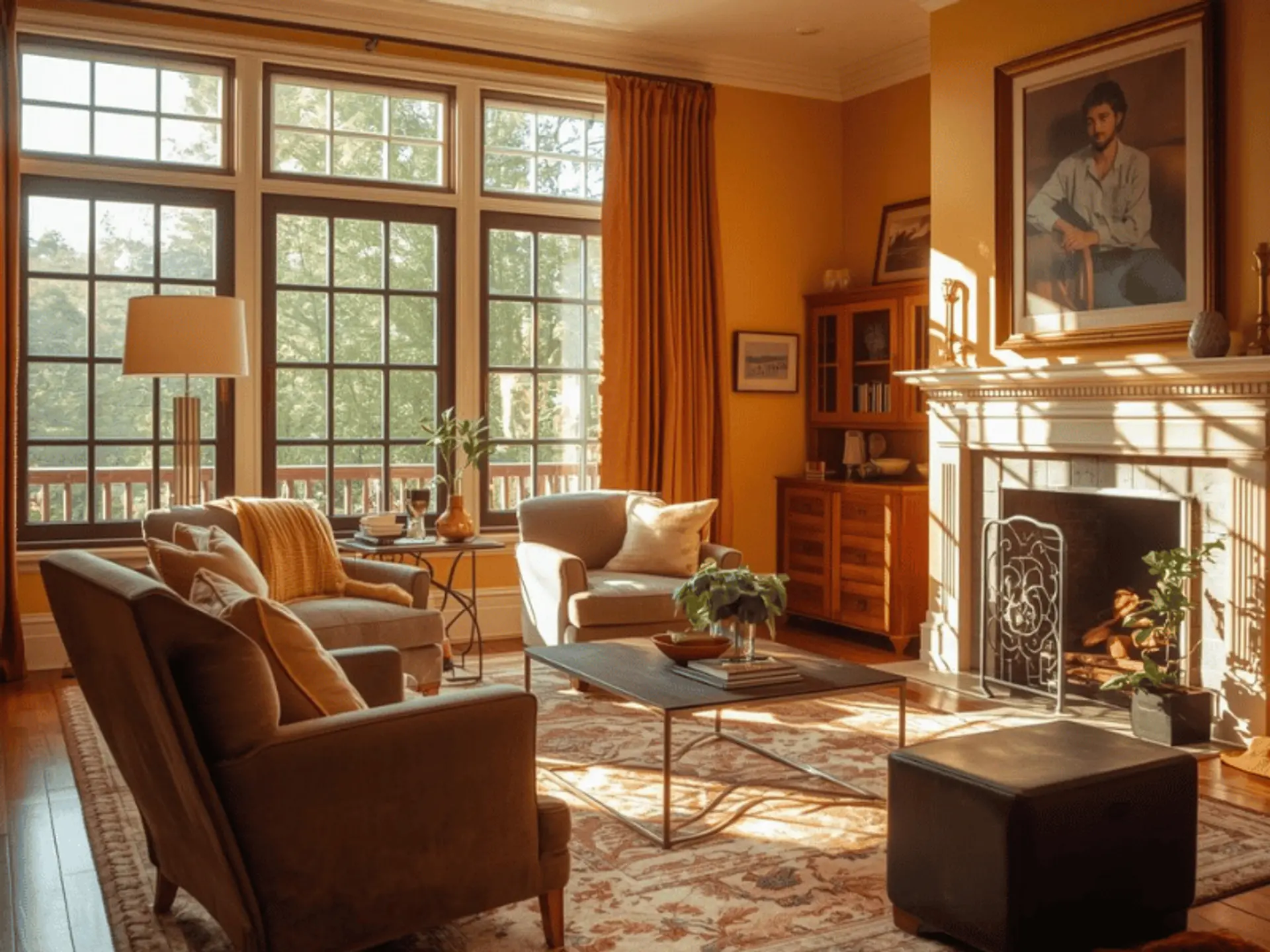
Warm colours in living rooms can:
- Encourage conversation
- Create a cosy, inviting vibe
- Make large spaces feel more intimate
If you want a quick impact, try one accent wall behind the sofa or TV. Keep the ceiling and adjacent walls lighter so the room stays airy and balanced all day. Best shades include terracotta, peach, muted orange, and warm beige. For colour combinations for living room décor, use warm neutral paint colours as your base and add one accent shade.
This fits trending interior design for living room palettes that lean earthy and comfort-first. For selection, compare warm colours for the living room, warm paint colours for the living room, and warm neutral colours for the living room options against your flooring and daylight.
Bedrooms
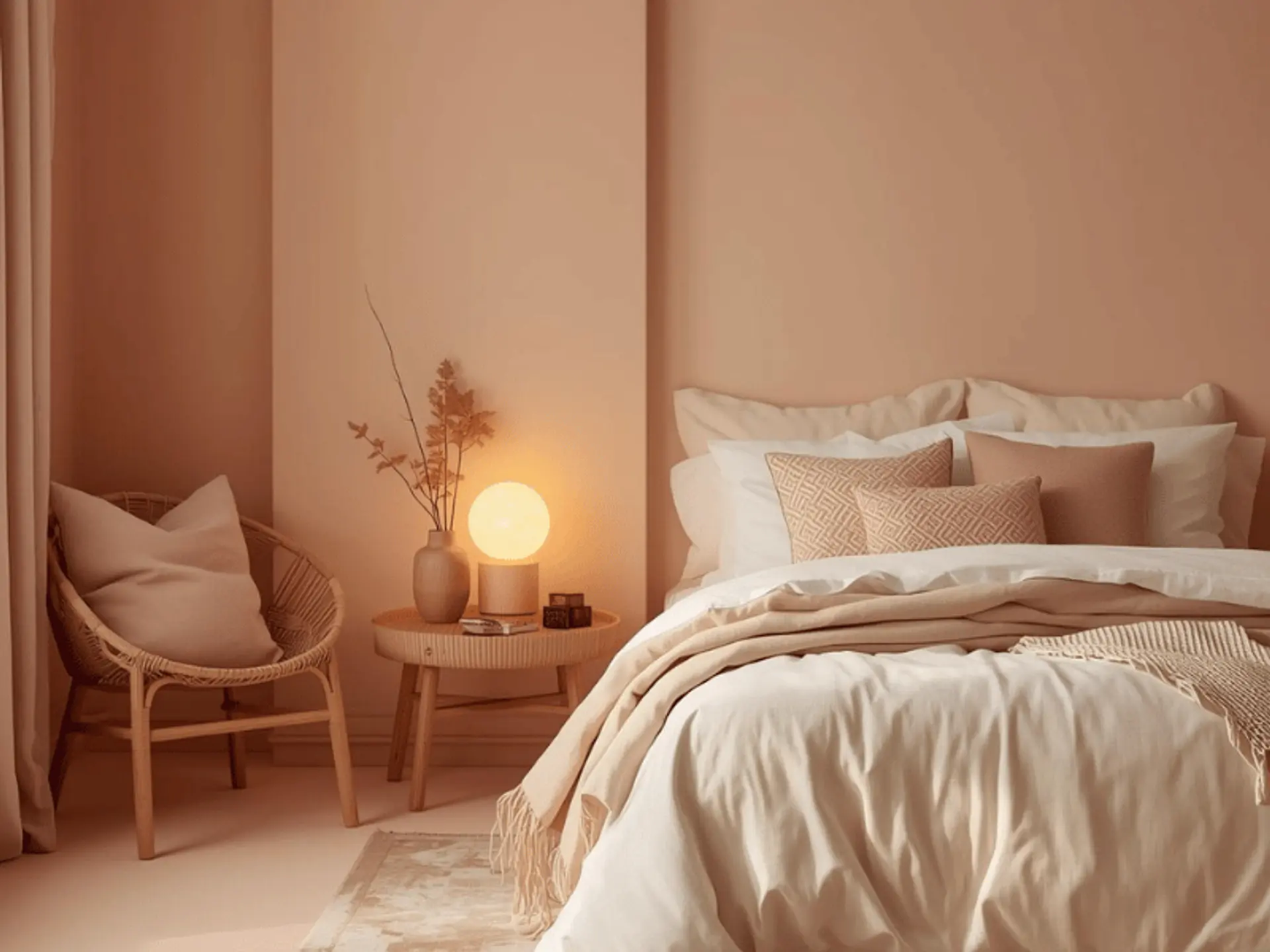
Bedrooms need warmth without intensity. Choose warm bedroom paint colours like peach, soft coral, warm beige, and light terracotta. For small bedroom colour ideas, keep the main walls light and use a soft accent if needed.
Warm neutral bedroom colours suit daily living, and warm paint colours for the bedroom work best in softer finishes under bedside lighting. Pair warm walls with off-white linen, wooden headboards, and soft curtains to avoid heaviness. A single muted accent works well if you like contrast there.
Dining Areas And Kitchens
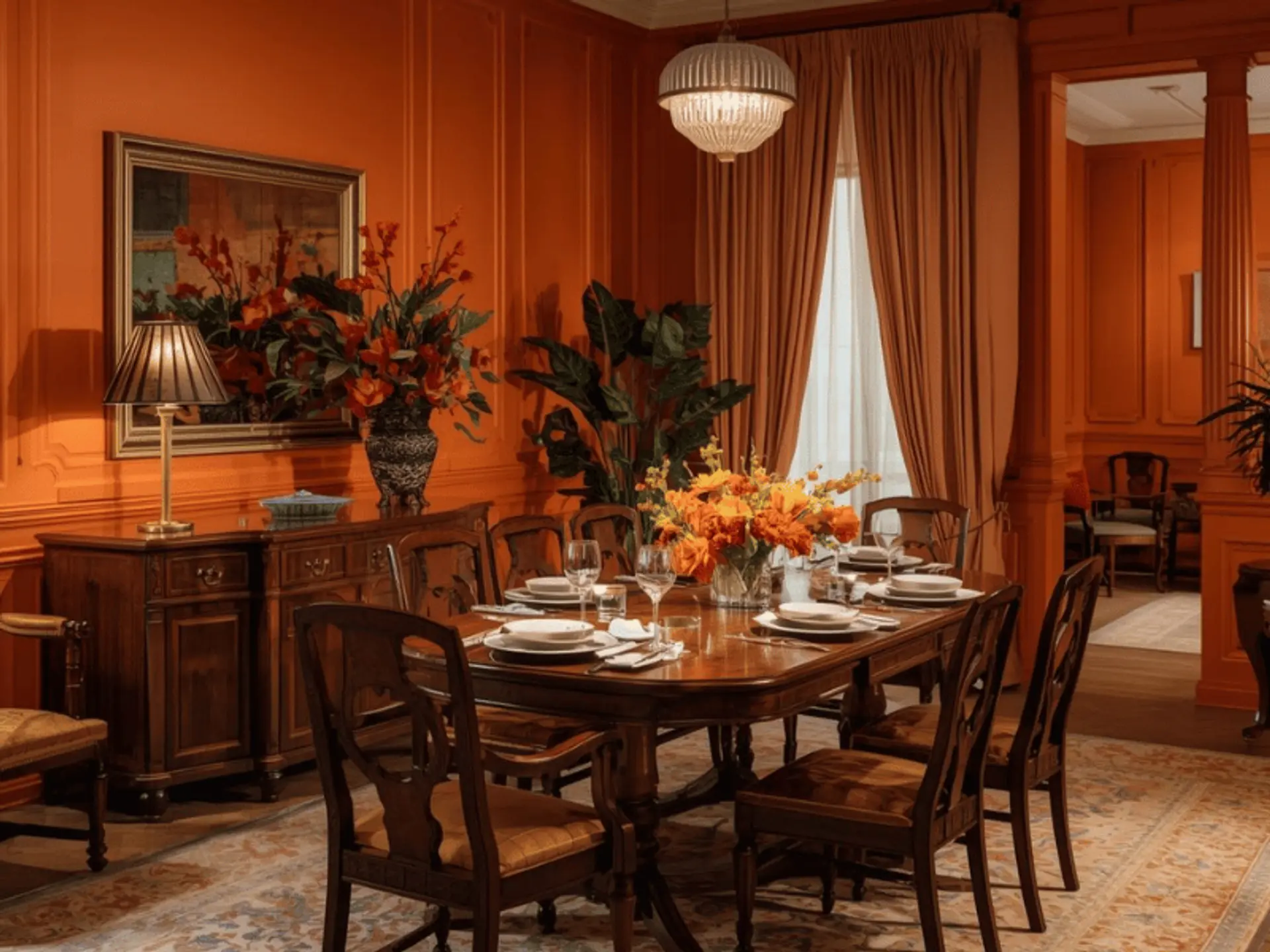
Warm tones can lift appetite and energy, so they suit dining areas. Use brick tones, mustard yellow, or warm orange in controlled doses. In kitchens, keep most walls light for easy maintenance and add warmth through one feature surface, a backsplash zone, or accessories.
Home Offices
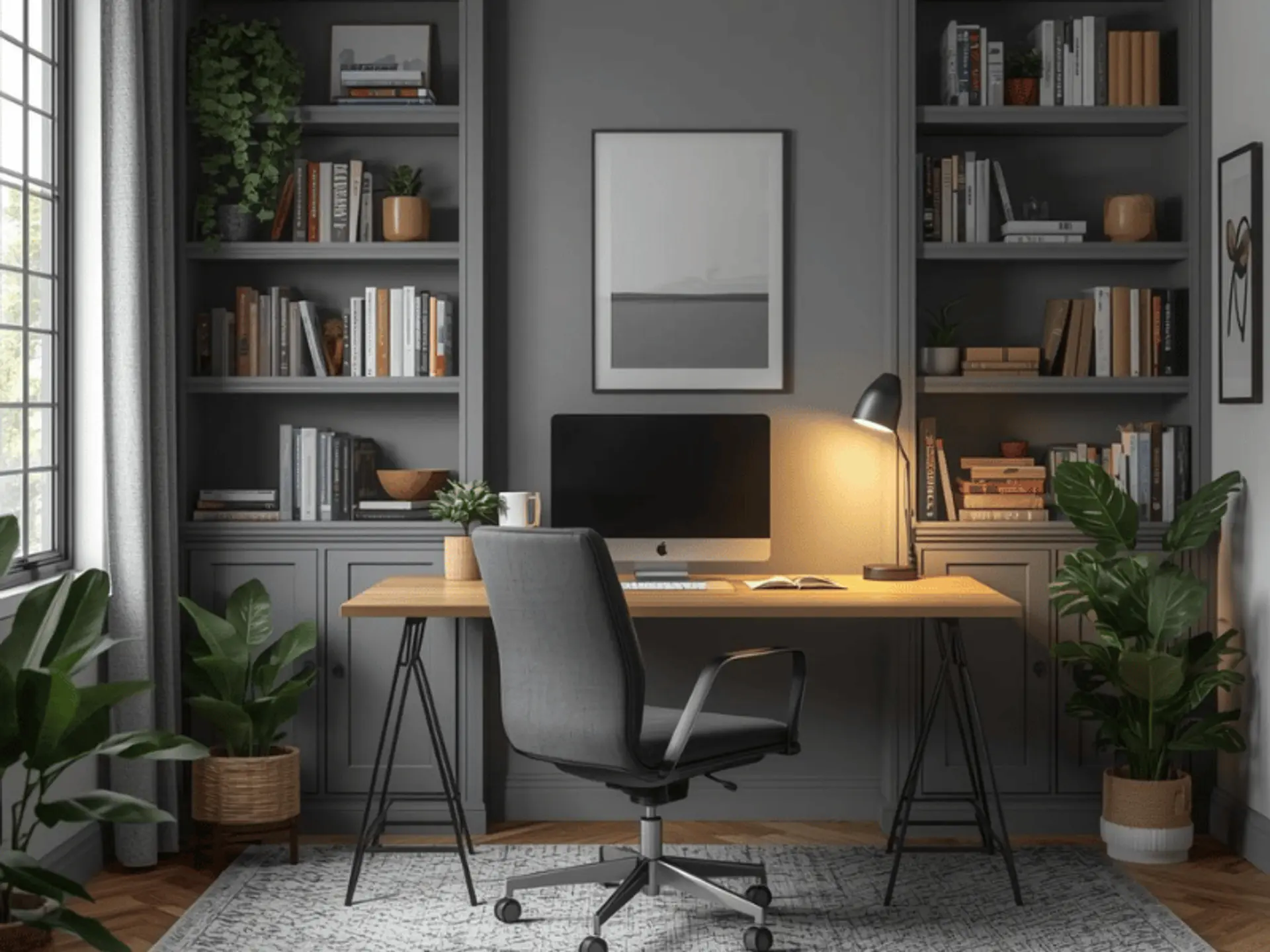
Warm hues can support creativity when used in moderation. A coral or muted orange feature wall can add drive, while the best warm grey paint colours keep the space focused. A simple grey colour combination with warm accents feels modern and balanced.
Best Warm Colour Interior Wall Paint Ideas
Use a calmer main wall and a stronger accent to keep the look coordinated and easy to style. Test samples under both daylight and night lighting, and check them near curtains, flooring, and furniture so undertones do not clash. View the shade from multiple angles across the day for a truer read.
Beige + Terracotta
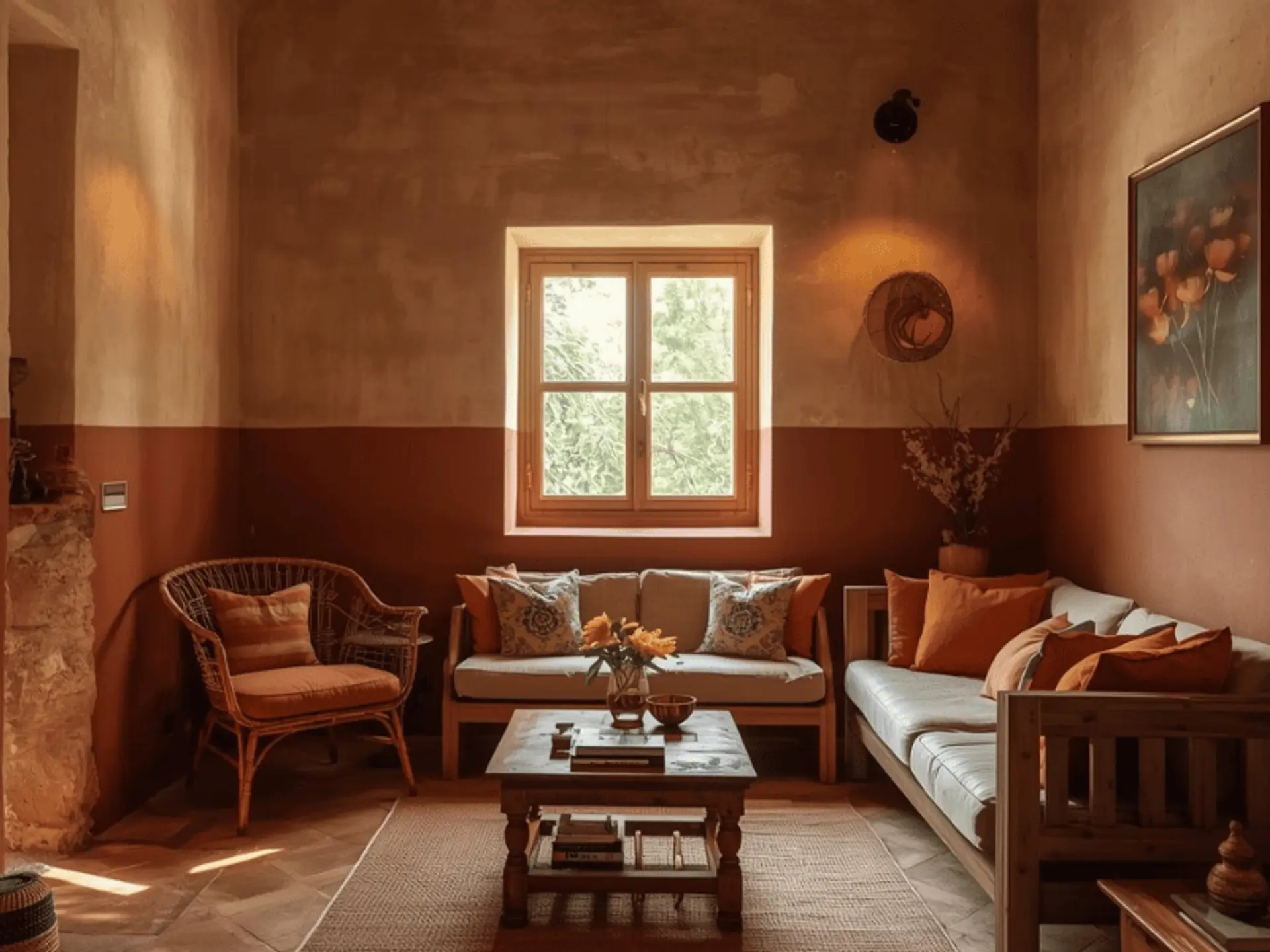
Main wall: Warm beige
Accent wall: Terracotta
Cosy and earthy, among the best warm paint colours for living rooms with wood and natural fabrics.
Cream + Warm Mustard
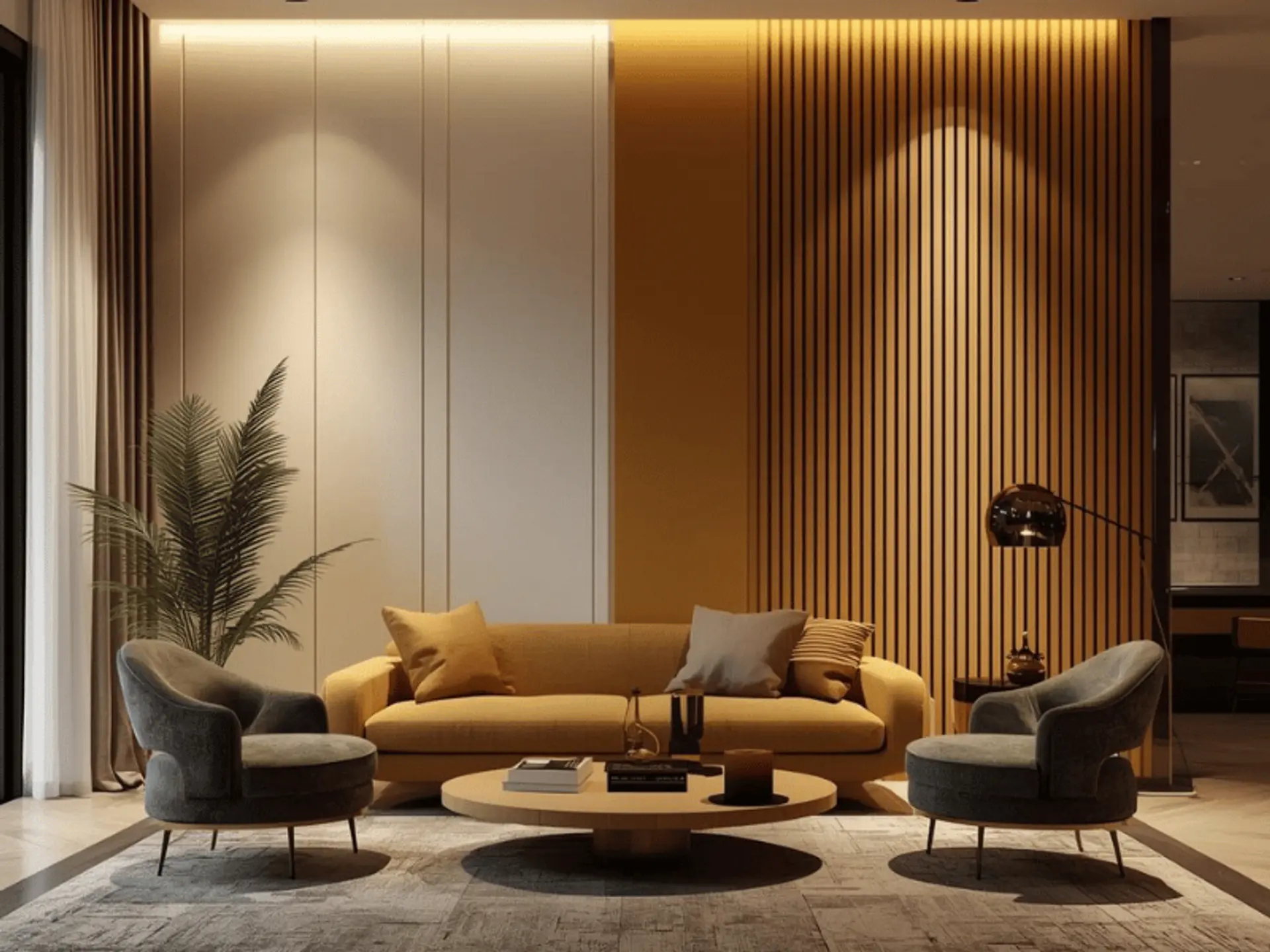
Main wall: Soft cream
Accent wall: Muted mustard
Bright yet warm, useful in dining areas and compact rooms.
Peach + Ivory
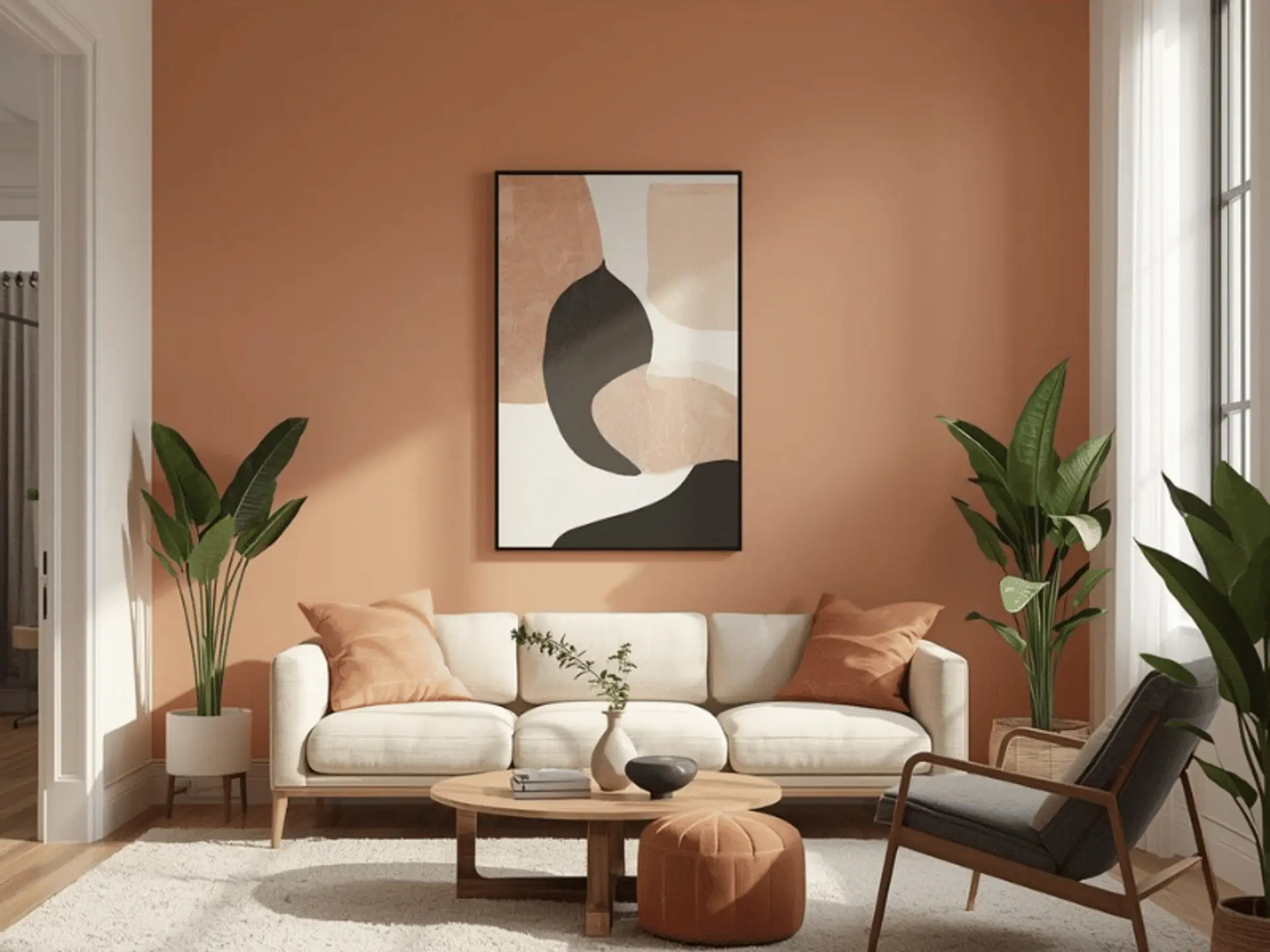
Main wall: Peach blush
Accent wall: Warm ivory
Soft and elegant, a strong bedroom option for peach colour combination ideas.
Rust + Sand Beige
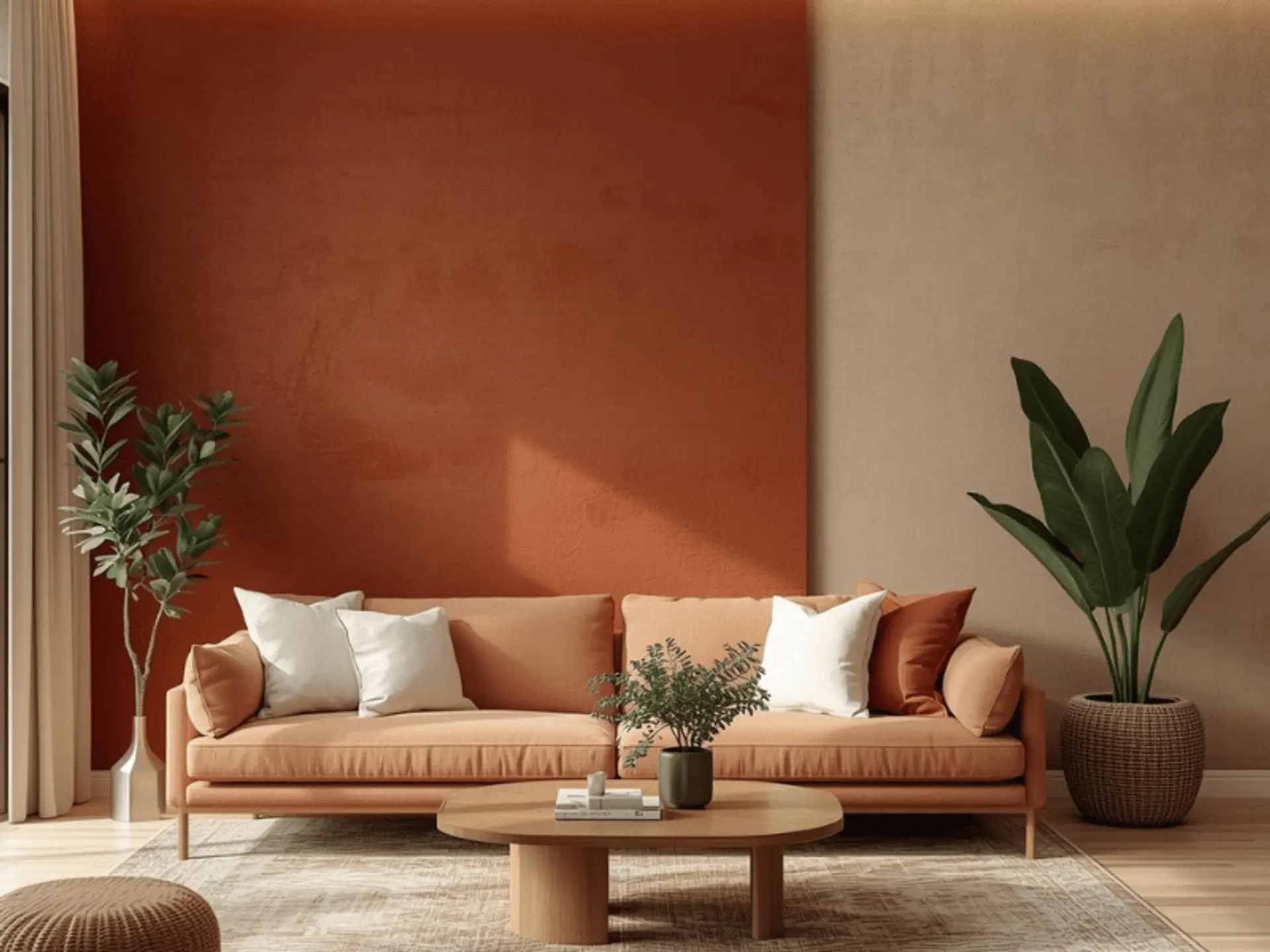
Main wall: Sand beige
Accent wall: Rust
Modern-earthy and sharp with black accents or matte gold décor.
Coral + Light Beige
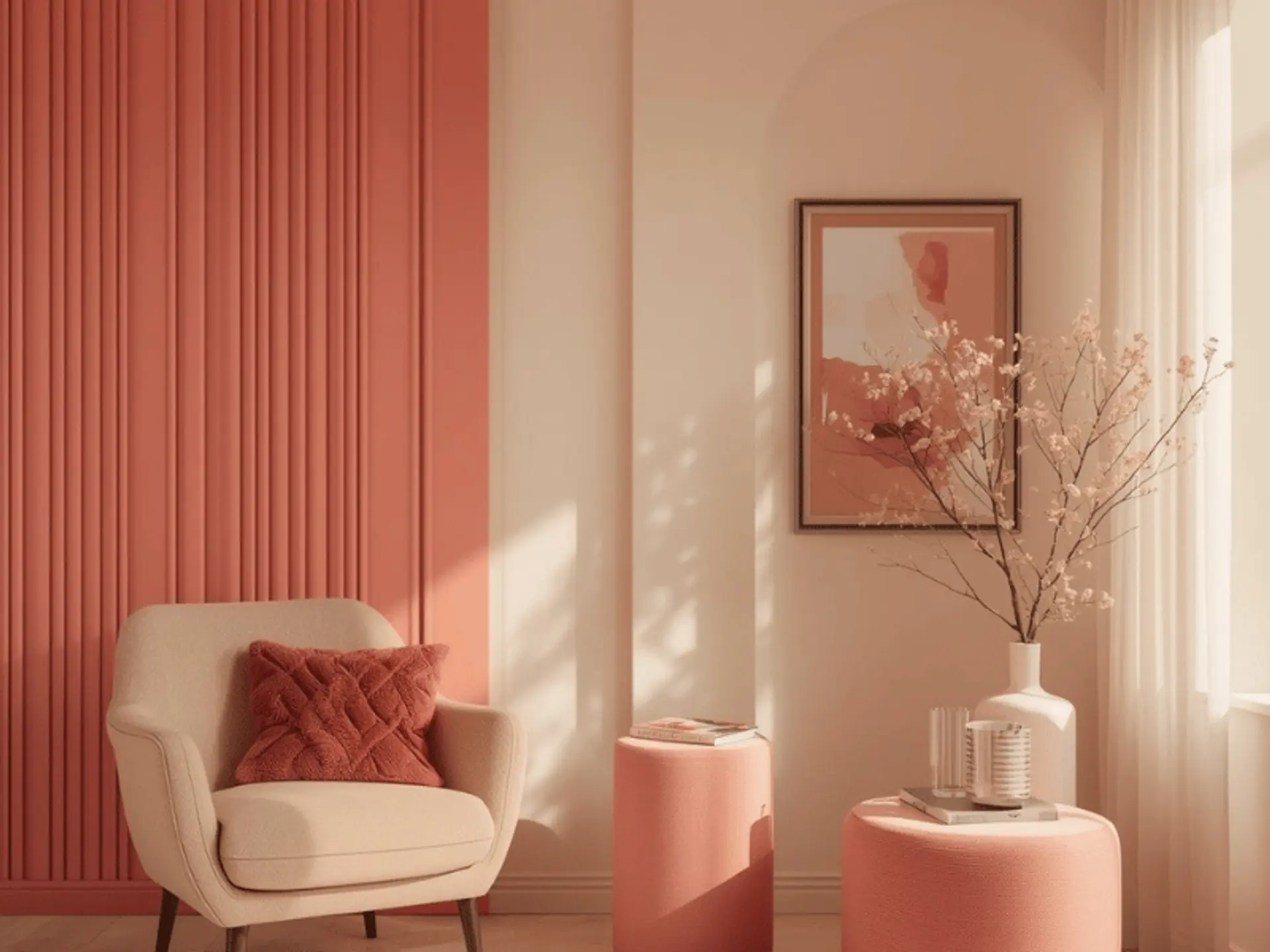
Main wall: Light beige
Accent wall: Soft coral
Warm and fresh for creative corners and family rooms.
Burgundy + Warm Grey
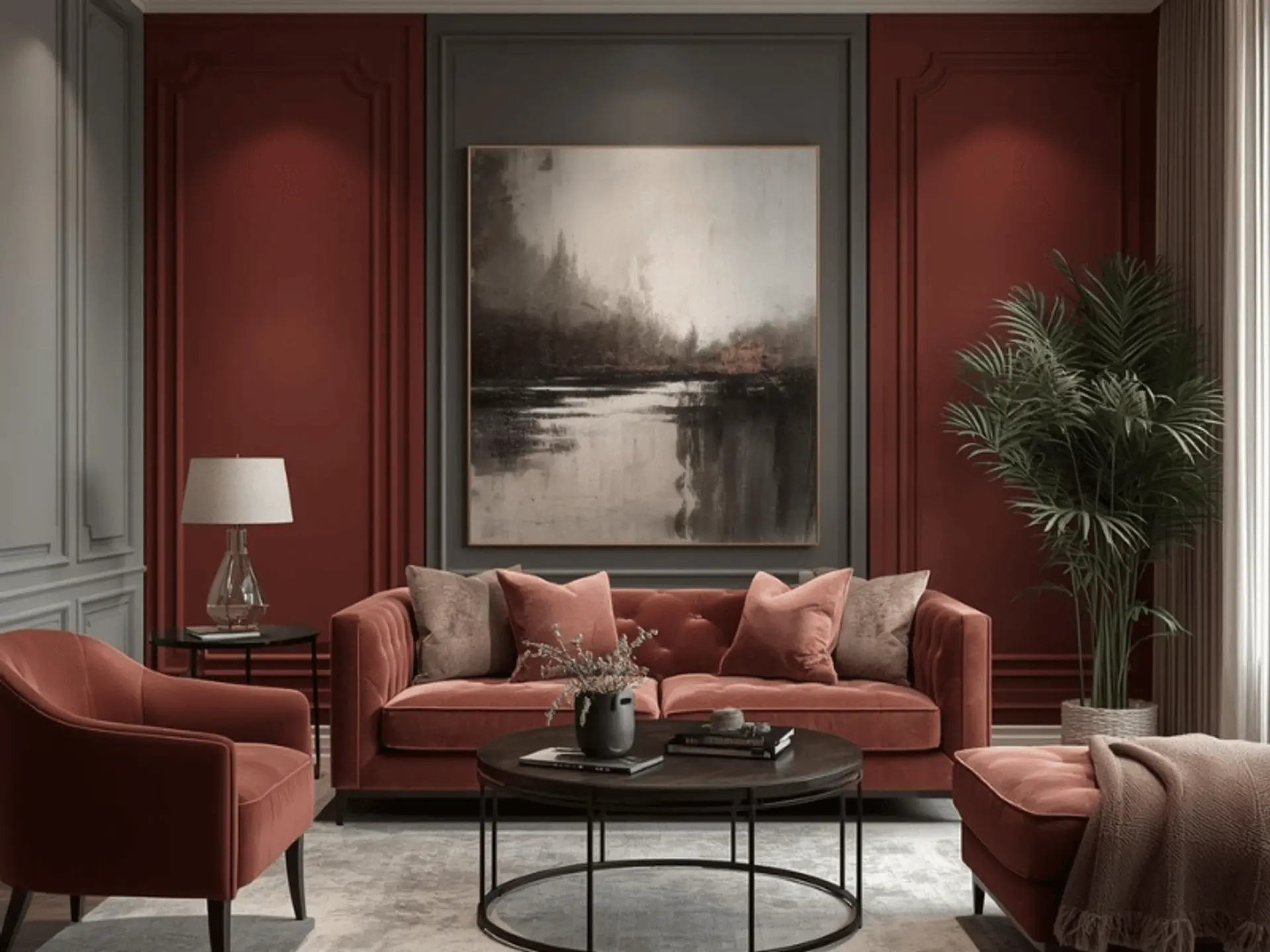
Main wall: Light warm grey
Accent wall: Burgundy
Bold but refined, best when the grey has a taupe-leaning undertone.
When to Avoid Warm Colours
Warm colours are versatile, but avoid heavy use when:
- The room is very small, and you are using dark warm tones.
- The space is meant for deep relaxation, such as meditation corners.
- The room already has many strong patterns or materials.
Balance helps pair warm shades with neutrals or add cooler touches through décor. This is especially useful when mixing warm earthy colours with cooler elements, and when deciding what warm neutral colours are for a calmer finish.
If you love warm tones but worry about heaviness, use warm colour on a single wall and keep the rest light. In tight spaces, choose lighter warm shades and avoid too much red or rust on every wall. If the room is already warm toned, introduce cooler cushions, art, or plants for relief.
Conclusion
Warm shades like red, orange, yellow, and earthy tones can transform a home with comfort, energy, and personality. Once you know what the examples of warm colours are and what are warm colours in the colour wheel, choosing the right mood becomes simpler.
With Berger Express Painting, you can get guidance on what warm colours are for living room styling, plus quality products and professional painting services from Berger Paints for a smooth, hassle-free finish.
check for any query you have about the blog
Frequently Asked Questions
Warm shades can make large rooms feel cosier. Dark warm tones can make small rooms feel tighter, so keep them lighter.
Terracotta, peach, warm beige, and muted mustard suit many Indian homes because they work well with warm lighting and wood.
Use neutrals on most walls and bring warm tones through one accent wall or décor to keep the palette harmonious.
Terracotta, warm beige, soft coral, and muted mustard complement wood well and look inviting under warm lighting.