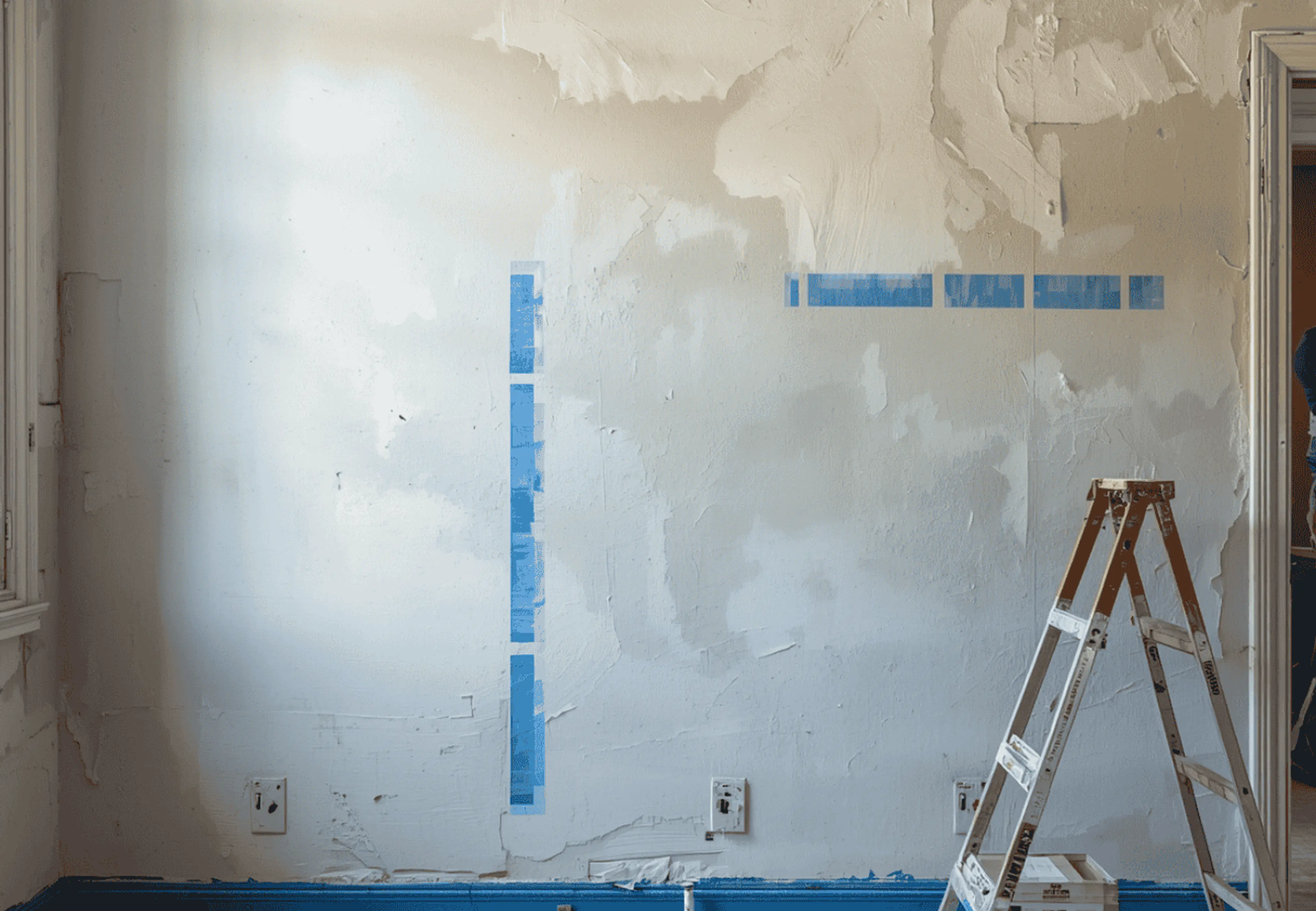
From Plain To Premium: 15 Wall Moulding Ideas You’ll Love

 Mar , 2026
- Berger Speaks
- 4 Min Read
A plain wall can make a well-designed room feel incomplete. Wall moulding improves it by adding shape, pattern, and a more finished look. It enhances the wall without relying on heavy decor, which is why it remains a popular choice in many homes across classic, modern, and simple interiors.
This blog explains what wall moulding is, the materials used for it, 15 stylish design directions, and the main points to check before finalizing a layout.
What is Wall Moulding
Wall moulding is a trim or panel added to a wall to create design and depth. It can make a large blank wall look more interesting, highlight one area, or make a room look more polished. A good wall moulding design does not need to be complicated. Simple lines, proper spacing, and the right wall paint finish can change the look of a room.
Materials Used For Wall Moulding
The material should be selected with the room style, wall condition, and finish.
- Wood for a classic and warm look with natural texture
- MDF Panels for smooth surfaces and neat moulding shapes
- Plaster for decorative details and a traditional finish
- Polyurethane for lightweight trims with clean edges
Benefits Of Wall Moulding
Wall moulding is often chosen because it improves the look of a plain wall without changing the full room layout. It adds shape, creates visual order, and can make the wall look more polished.
- Enhancing wall aesthetics with shape and structure
- Adding architectural detail to plain interiors
- Creating a more polished and luxurious interior feel
- Helping define zones within open-plan spaces
- Making a feature wall look more well-designed
15 Wall Moulding Ideas You’ll Love
The best wall moulding design ideas are not always the fanciest. Often, the best result comes from the right size, spacing, and a finish that suits the room.
Classic Rectangular Panel Moulding
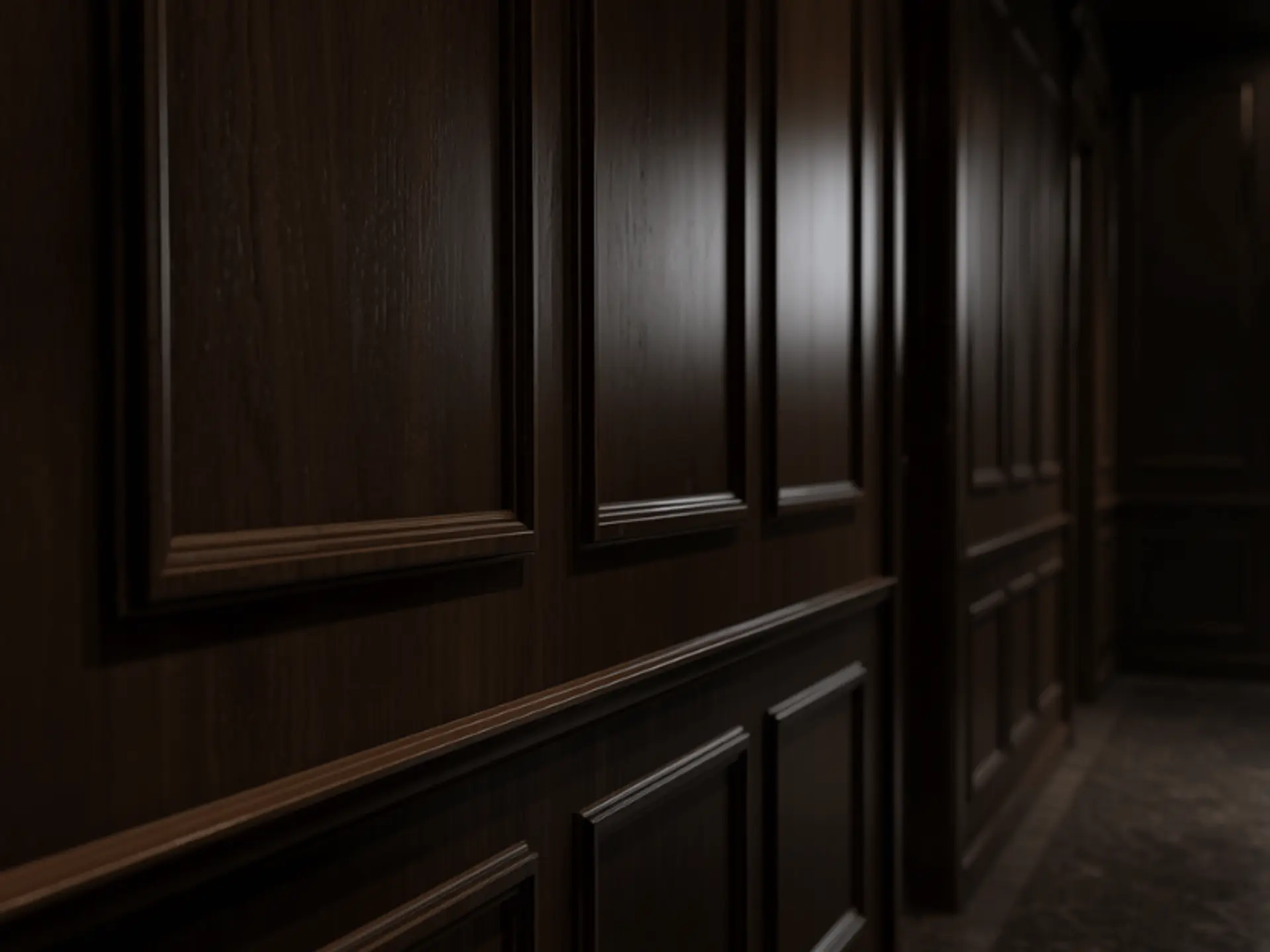
Classic rectangular panels are one of the most widely used choices for a stylish interior. They create a balanced layout and give the wall a structured appearance. This wall moulding design suits bedrooms, dining spaces, and formal sitting rooms where a clean and timeless finish is preferred. The look stays neat when the panel sizes are proportionate to the wall.
Geometric Wall Moulding
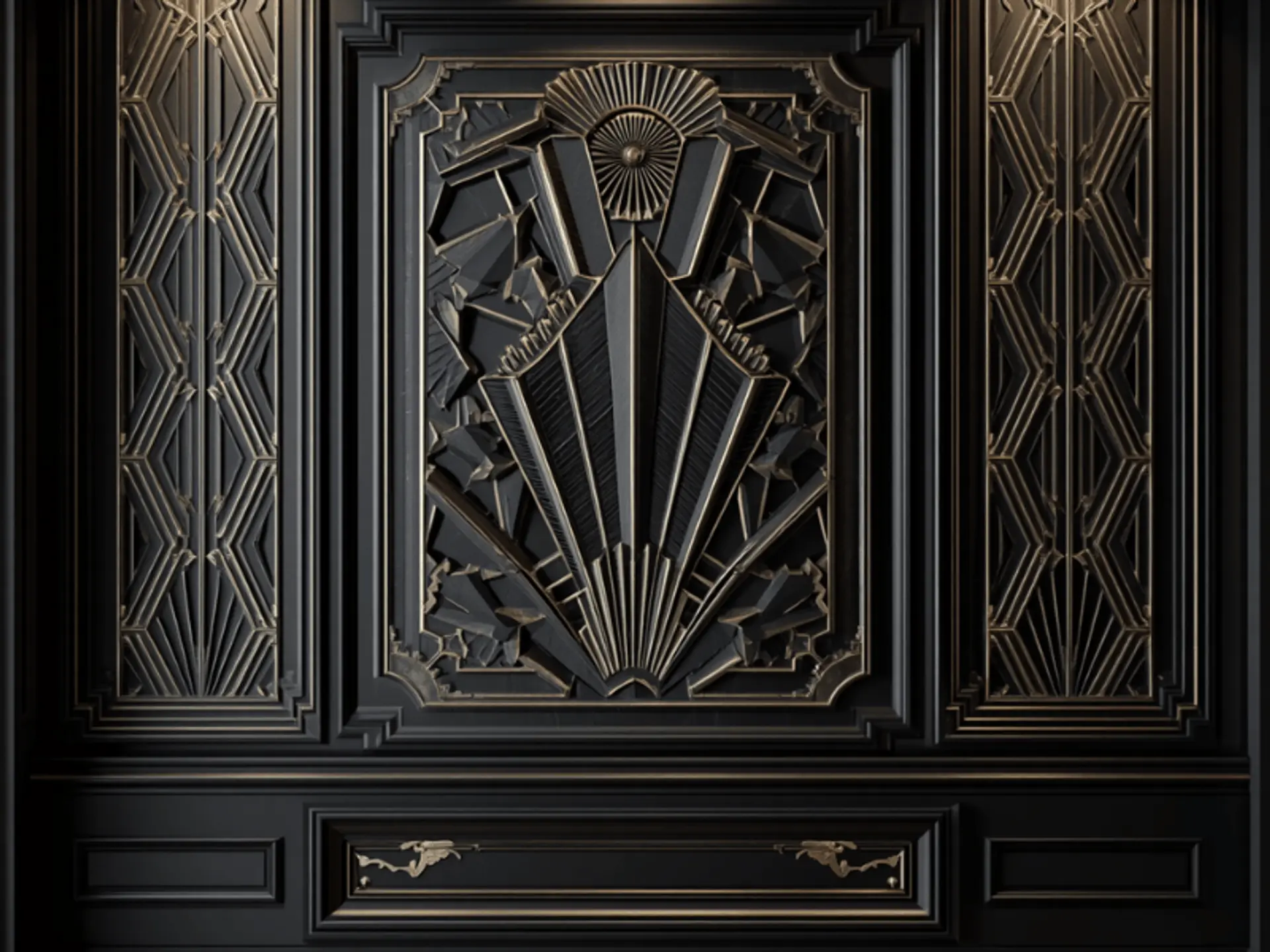
Geometric moulding uses straight lines and angled shapes to create a modern pattern on the wall. It looks stylish, but it still needs proper spacing and neat finishing. This style suits modern interiors that need more detail on the wall. It also suits homeowners looking for a simple geometric wall design with more depth and a stronger architectural finish.
Floor-to-Ceiling Panel Moulding
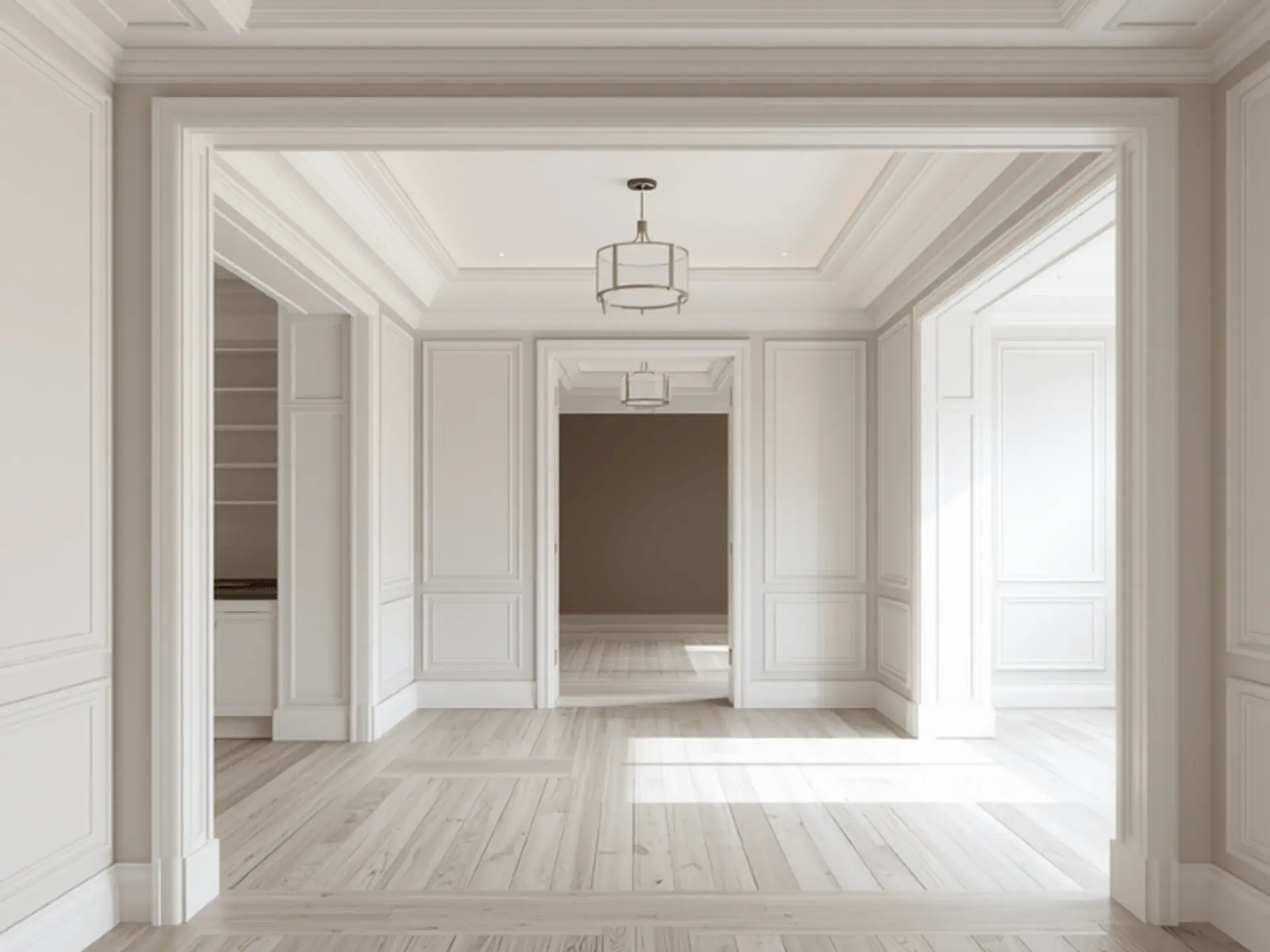
Floor-to-ceiling moulding uses vertical divisions to make the wall look taller and more graceful. This is useful in homes where wall height needs visual support. The low-budget interior wall designs look clean when the spacing remains even, and the trim profile is not too heavy. As a moulding wall design, it gives the room a graceful finish without making the wall feel crowded.
Grid Pattern Wall Moulding
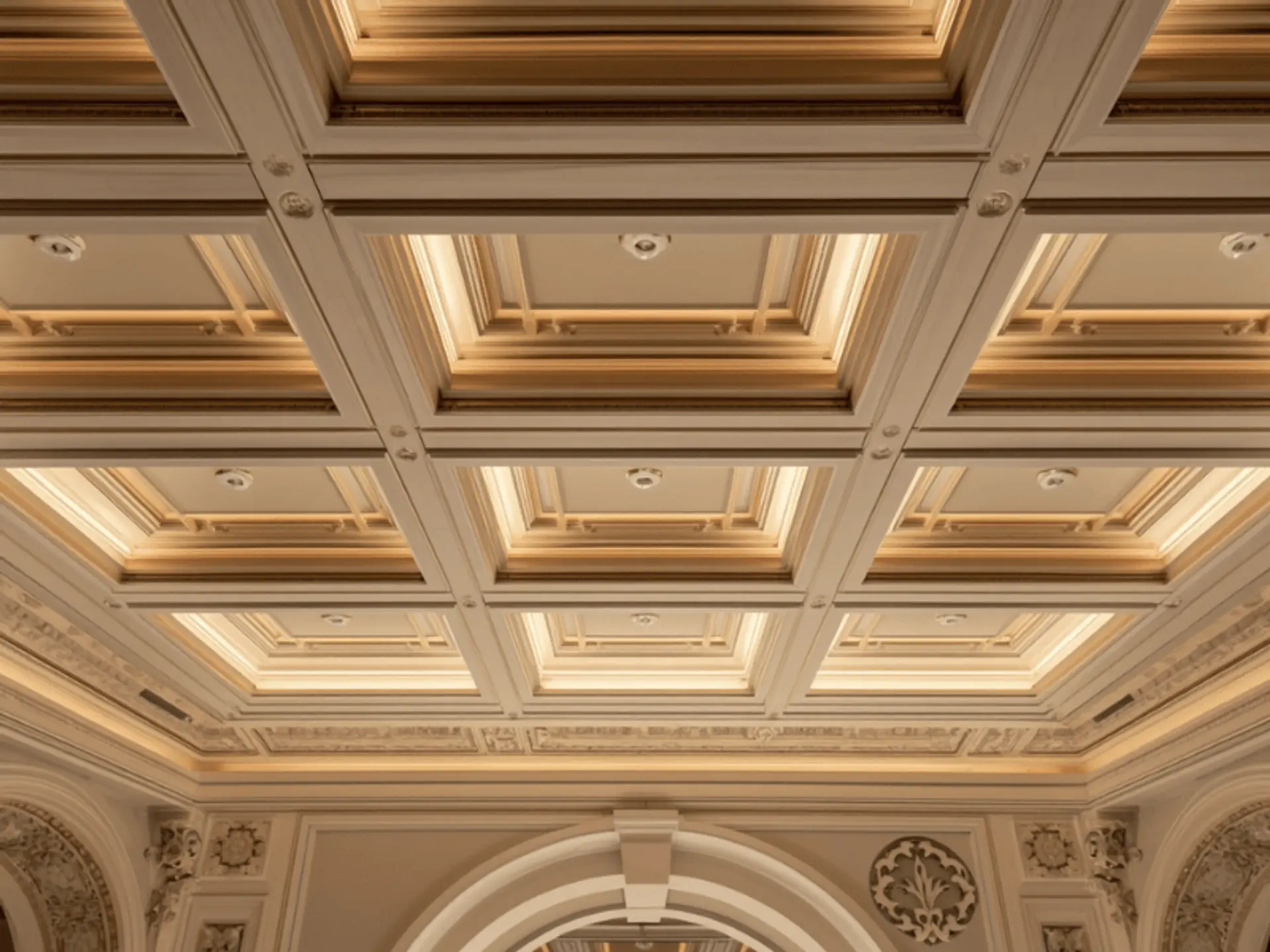
A grid pattern creates order and symmetry on a large wall, fostering a strong sense of order. It suits large walls that need structure but not too much decoration. The result is disciplined, neat, and easy to style around. For those considering an ultra-modern wall moulding direction, a grid pattern can deliver that cleaner look when paired with a restrained colour scheme.
Accent Wall Moulding
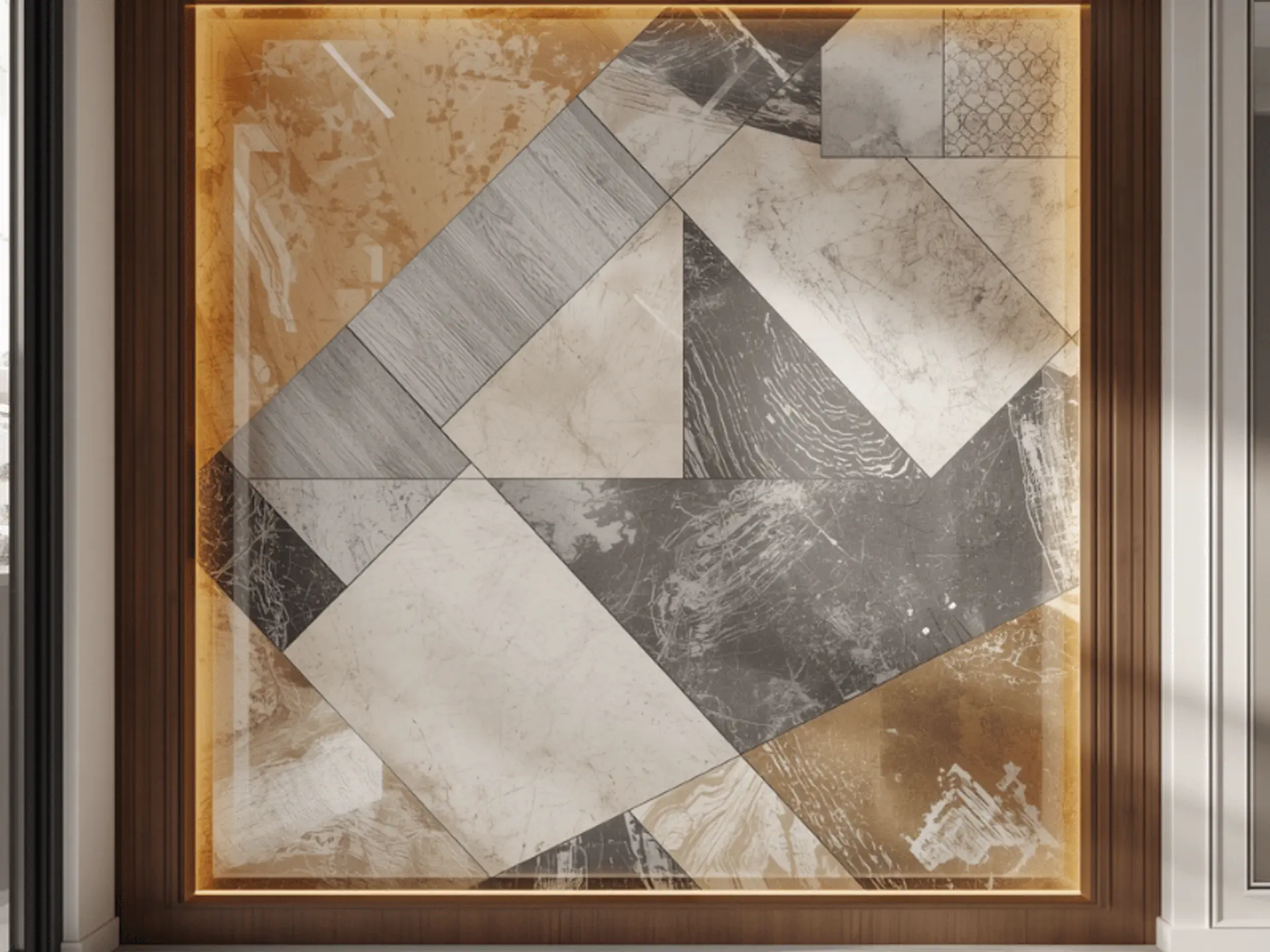
Not every wall needs moulding. In many rooms, one wall with moulding is enough to create focus and improve balance. This is why accent wall moulding remains a smart choice for bedrooms and lounge areas. It is also one of the easier living room wall moulding designs to plan when the goal is to paint an accent wall without making the entire room feel busy.
Picture Frame Moulding
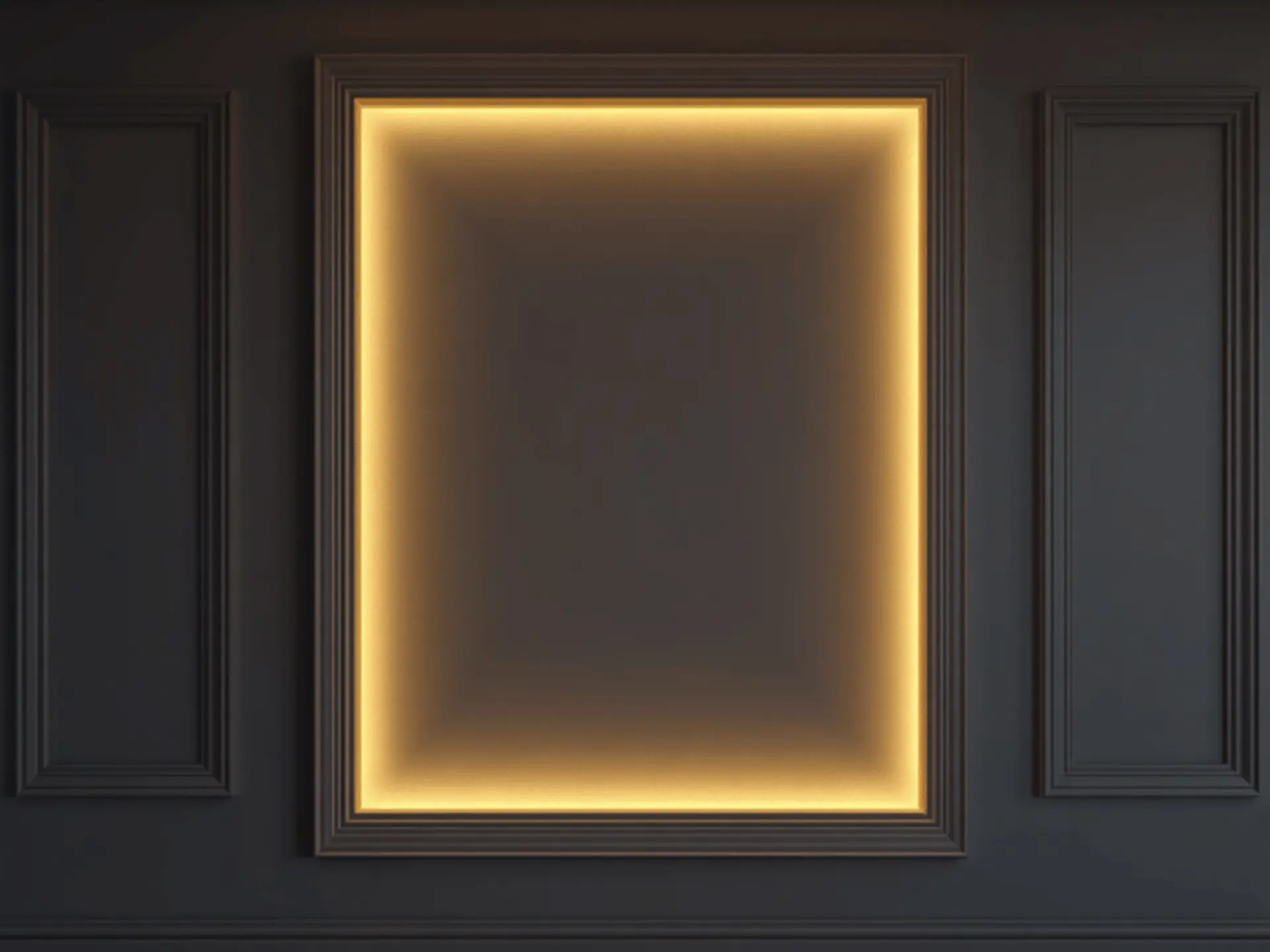
Picture frame moulding creates framed sections on the wall using simple trim borders. It gives the space a more decorative and elegant appearance while keeping the overall look controlled. A well-proportioned wall moulding design in this style can make an otherwise plain room look much more composed.
Minimalist Line Moulding
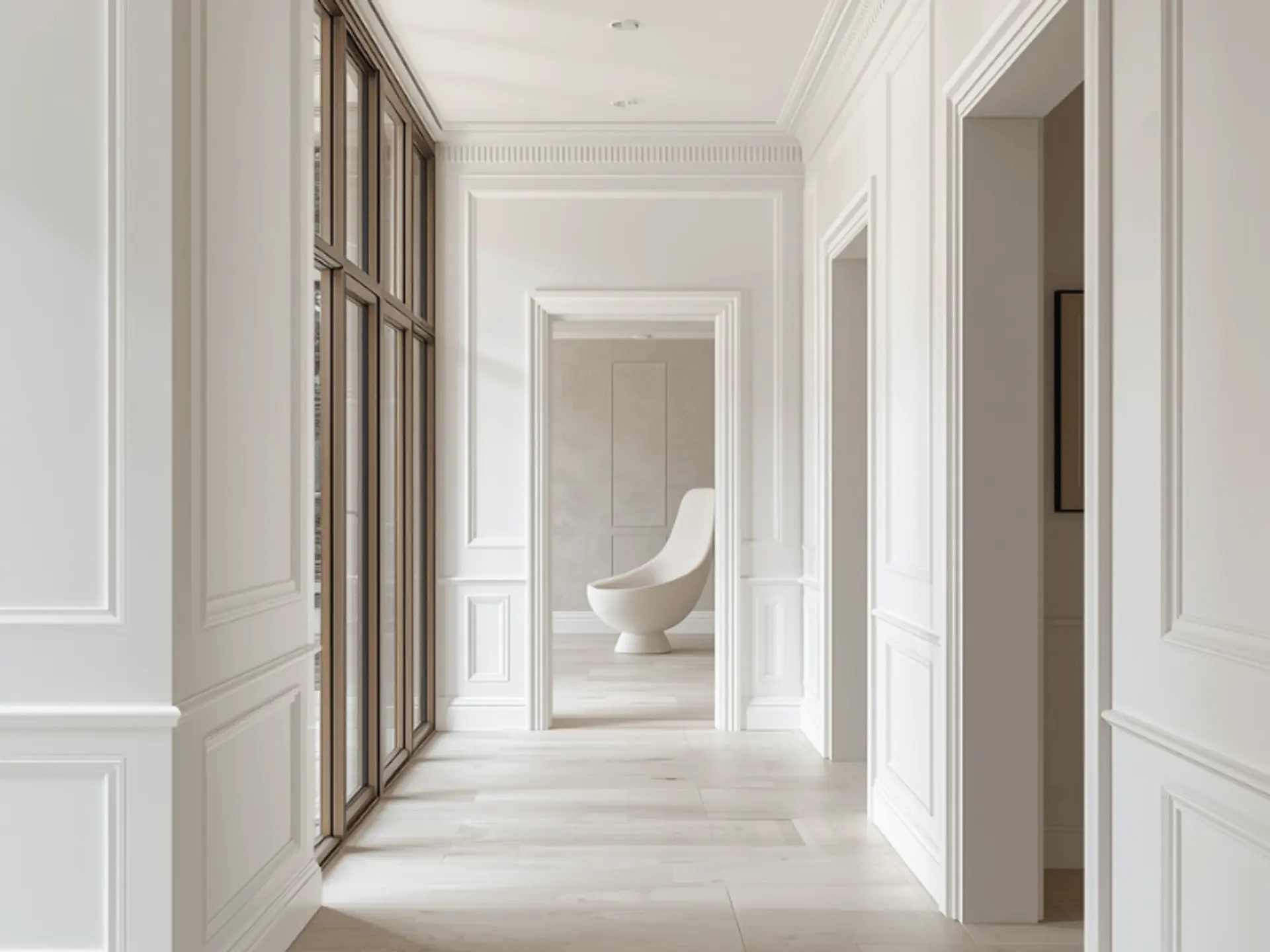
Minimalist line moulding uses thin strips in simple layouts, often with plenty of open wall space left around them. The look stays light, controlled, and modern. For an ultra-modern wall moulding scheme, this style is often easier to manage than deeper panel work. It also fits comfortably with interiors influenced by geometric designs for bedroom decor.
Wainscoting Wall Moulding
Wainscoting covers the lower section of the wall and gives the room a settled, more finished look. It helps break up a tall surface and adds visual weight where the wall can otherwise feel too plain. This format suits both older and newer homes because it can be adapted in a simple or more detailed way. A wall moulding design like this often looks polished rather than overly decorative.
Diamond Pattern Moulding
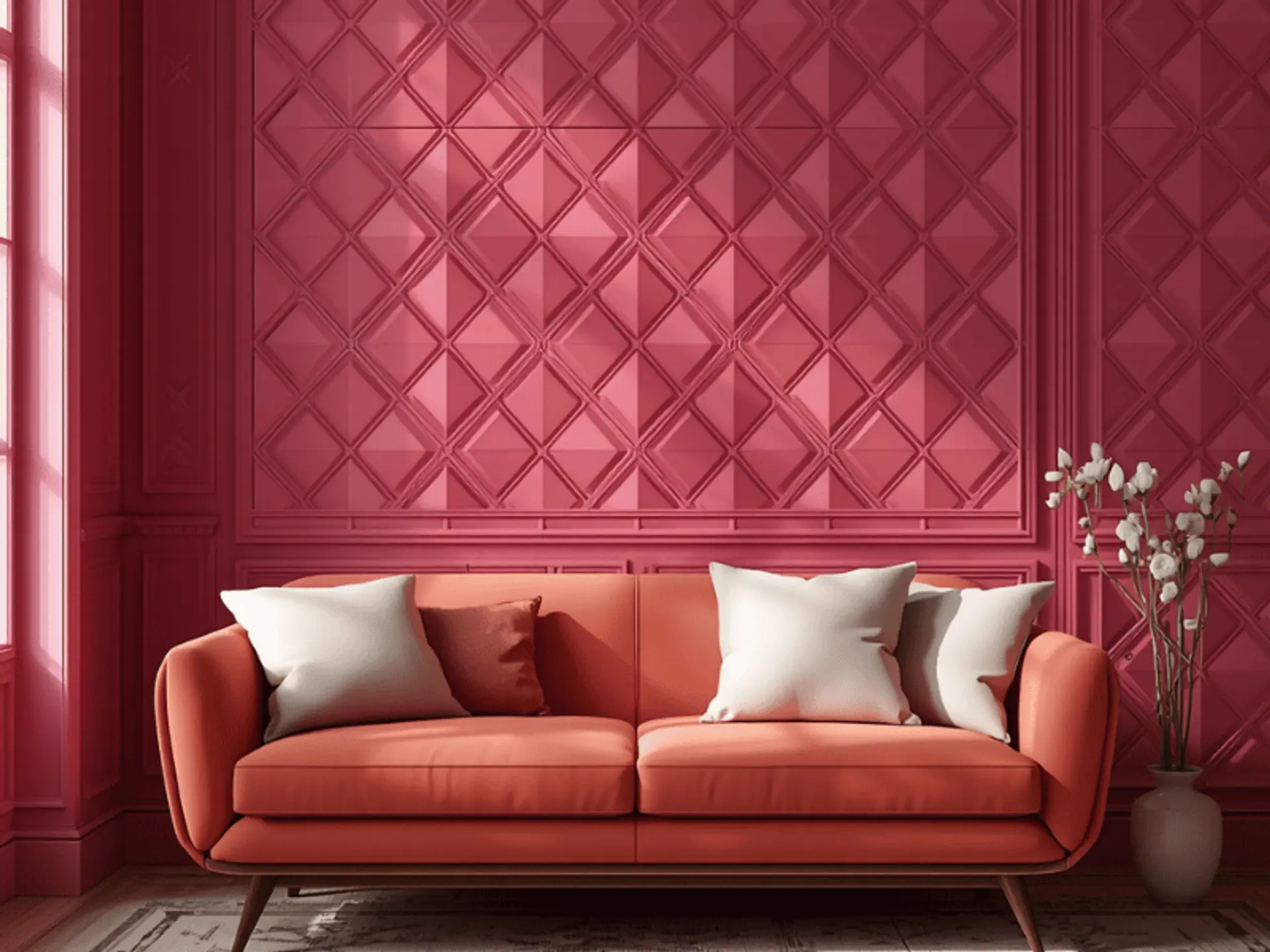
Diamond moulding uses diagonal lines to create a more eye-catching surface. It adds shape and makes the wall look more attractive, which makes it suitable for spaces that need a stronger design feature. When handled well, this moulding wall design gives the room a bolder visual identity and works best where a feature wall is intended to lead the room.
Arched Panel Moulding
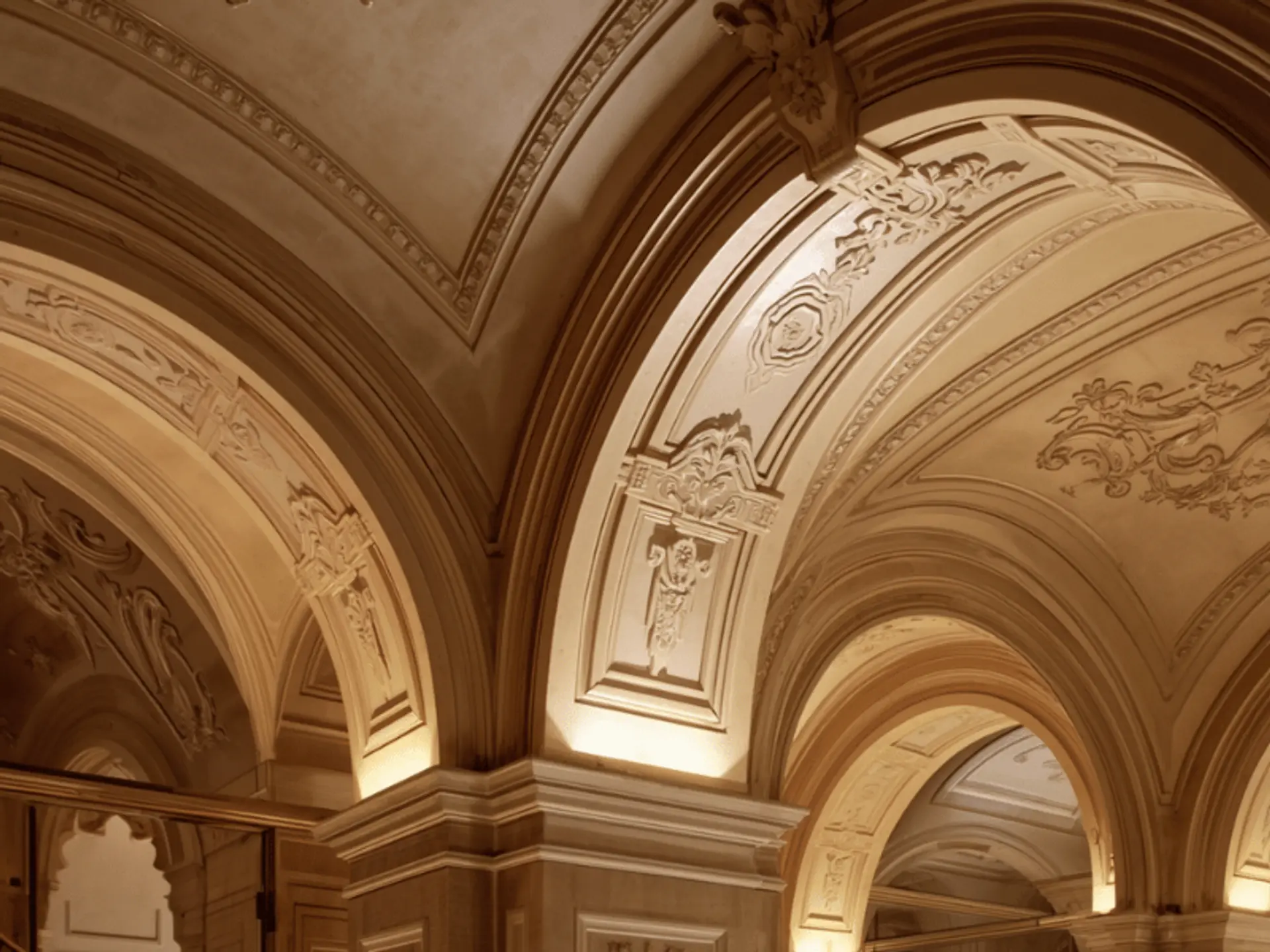
Arched panels soften the wall by replacing hard corners with curved lines. That small change can make a room feel calmer and more graceful. The style suits interiors that lean towards softer furniture, muted colours, or a more relaxed decorative mood. It offers elegance, but in a gentler way than heavily framed or highly detailed panel work.
Layered Panel Moulding
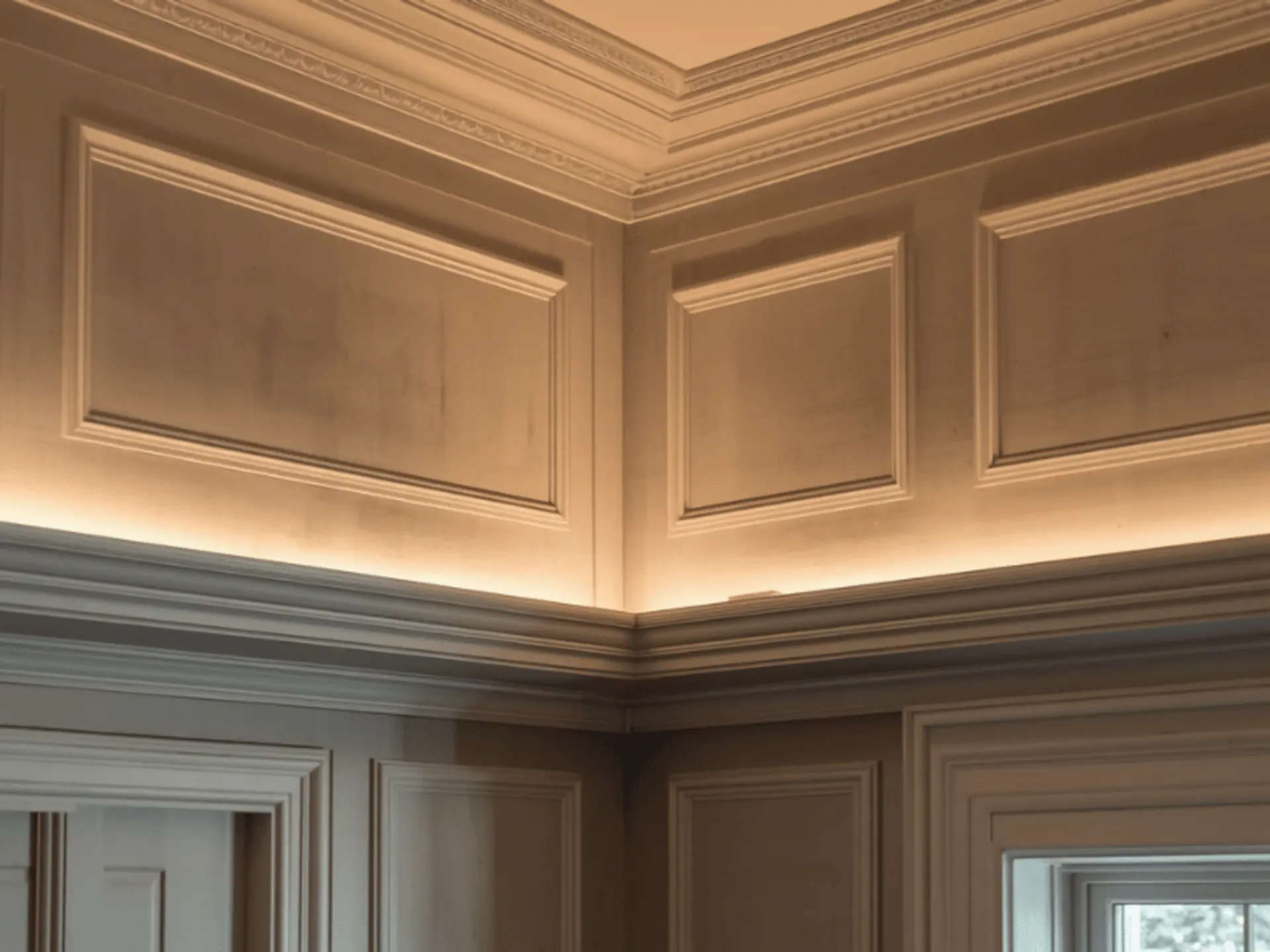
Multiple moulding layers create depth and texture for a dramatic interior look. The added lines bring depth, shadow, and a more decorative finish. This approach works better on larger walls where the design has enough space. A layered moulding design can look refined when the spacing is planned well, and the panel sizes remain balanced.
Modern Box Moulding
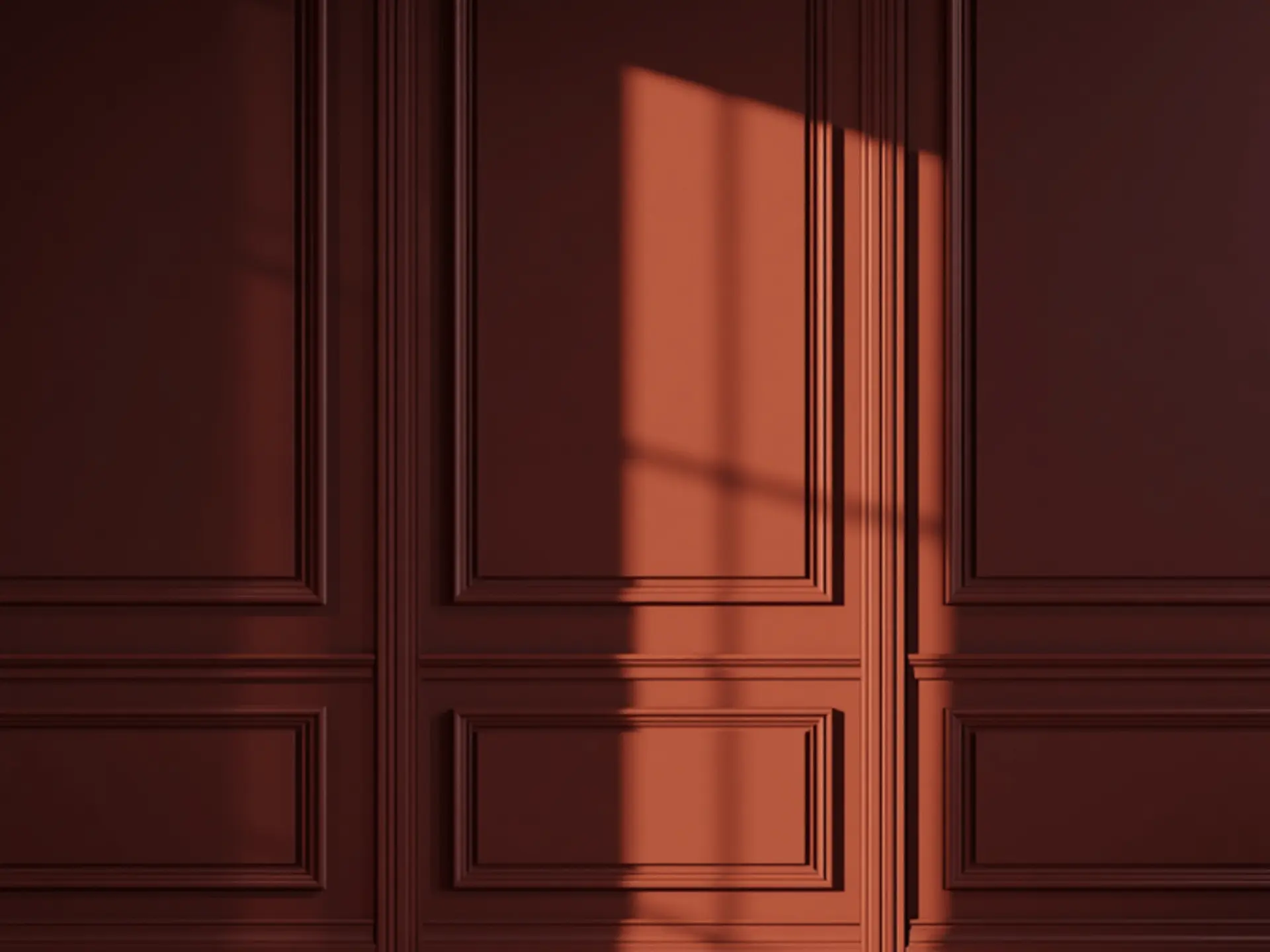
Modern box moulding uses box-shaped sections with simple proportions and clean trim lines. The lines are cleaner, the sections are simpler, and the design fits modern homes more easily. It is one of the more adaptable living room wall moulding designs because it works with neutral palettes, darker shades, and a wide range of furniture styles.
Ceiling-to-Wall Moulding
Ceiling-to-wall moulding creates a visual link between the upper surface and the wall below it. This can make the room feel more connected and more thoughtfully designed. It is often considered in spaces that already include defined ceiling designs, where continuity is important. When handled with restraint, it can add architectural interest without making the upper part of the room feel heavy.
Vertical Strip Moulding
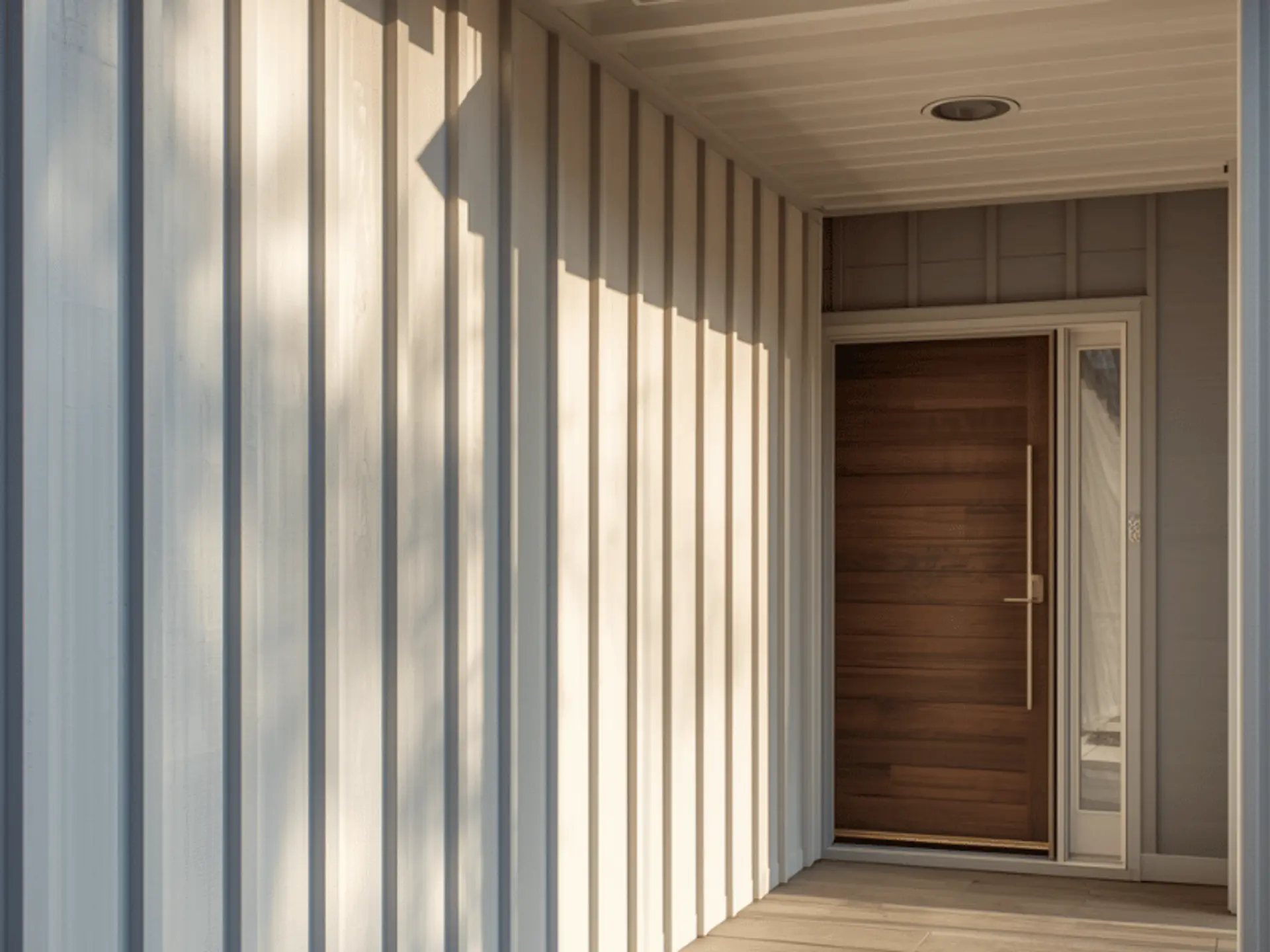
Vertical strip moulding uses repeated narrow trims to create a sleek and taller-looking effect. It works well in passage areas, bedrooms, and compact lounge spaces where the goal is to sharpen the wall without overloading it. A simple wall moulding design in vertical lines can make a room feel taller and more organized.
Decorative Frame Moulding
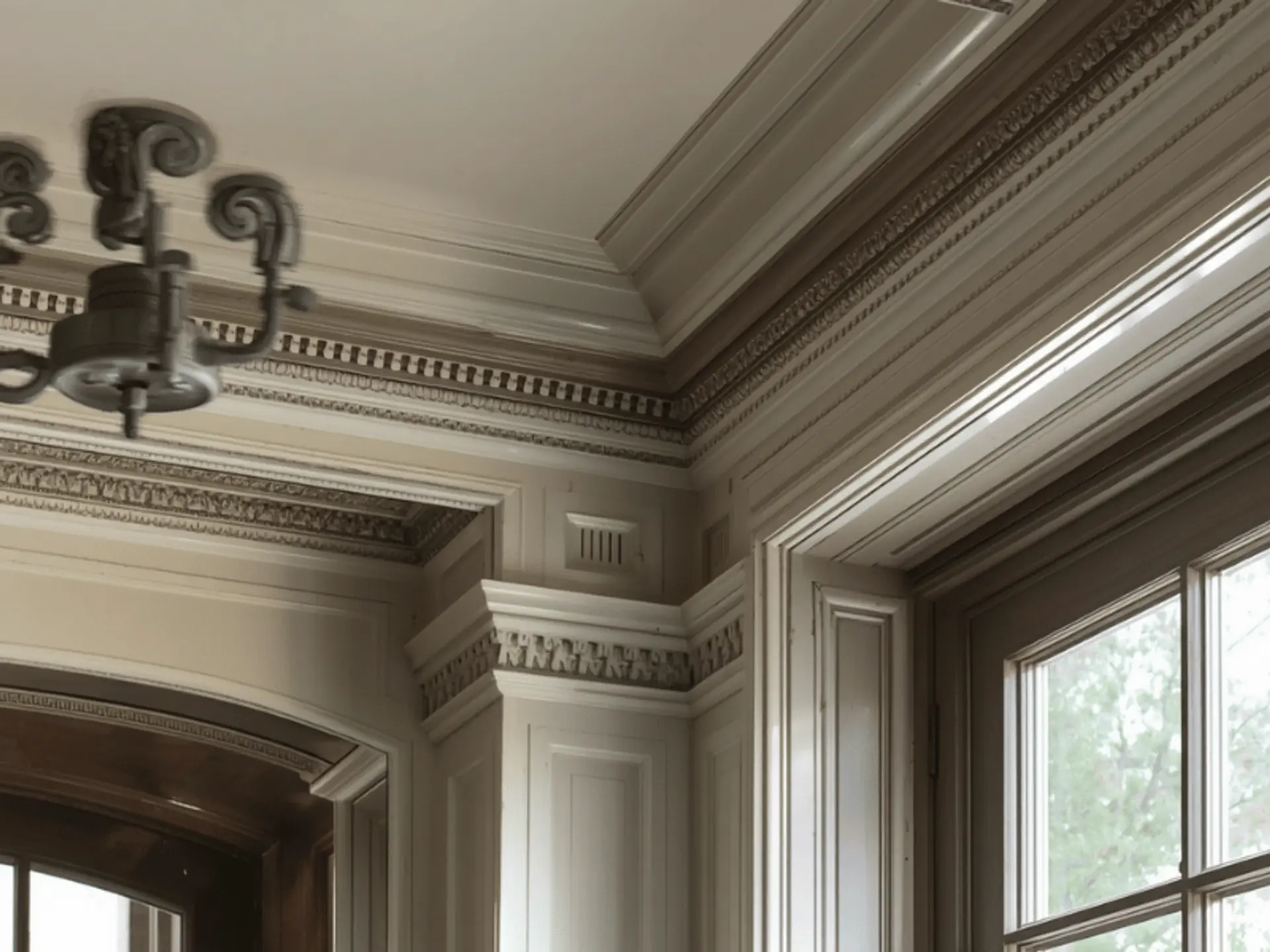
Decorative frame moulding is often used to highlight one area of the wall instead of the entire wall. It can define the section behind a sofa, bed, or mirror and make that area stand out more. Among many wall moulding design ideas, this one remains useful because it can suit both small and large rooms without changing the overall look of the space.
Tips for Choosing the Right Wall Moulding Design
The right choice depends on the room, the layout, and the finish expected from the final surface.
- Match the moulding pattern with the overall style of the room
- Choose a design size that suits the wall dimensions
- Use colours that complement the wall and interior theme
- Keep the pattern balanced and not too crowded
- Select a design that suits the purpose of the room
Match Your Interior Style
The moulding pattern should suit the overall style of the room and the wooden false ceiling ideas. Clean lines usually work well in modern homes, while framed panels and softer shapes can suit more classic spaces. The chosen moulding design should match the furniture, colours, and wall size. This also matters when someone wants the interior design to relate to a moulding design for the house front.
Consider Wall Size
Wall size plays an important role in choosing the right pattern. Large walls can usually handle bigger panels, wider spacing, or stronger layouts. Smaller walls often look better with cleaner and simpler divisions. This is particularly important when reviewing wall moulding design ideas for compact urban homes.
Use Suitable Colours
Colour affects how wall moulding looks. Using the same shade as the wall gives a soft finish, while contrast makes the design look more noticeable. A colour catalogue can help choose shades that suit the walls, flooring, and other surfaces in the room.
Conclusion
Wall moulding can bring shape, depth, and a more finished appearance to walls that otherwise feel plain. A thoughtful wall moulding design should improve the room without looking too heavy. For surface preparation and finishing support, Berger Express Painting is one option homeowners may consider for painting services.
check for any query you have about the blog
Frequently Asked Questions
Common materials include wood, MDF, plaster, and polyurethane. The choice usually depends on the finish required, the level of detailing, and how the surface will be painted or maintained.
It can be painted the same colour for a softer and more seamless look. A contrasting shade can also work when the aim is to make the pattern stand out more clearly.
Wall moulding generally needs routine dusting and occasional touch-ups if marks appear.
Warm whites, soft neutrals, muted greys, earthy shades, and deeper accent colours can all work well. The best choice depends on room size, natural light, and how visible the moulding is meant to be.