Exterior House Painting In The Rainy Season
 Jan , 2026
- Berger Speaks
- 3 Min Read
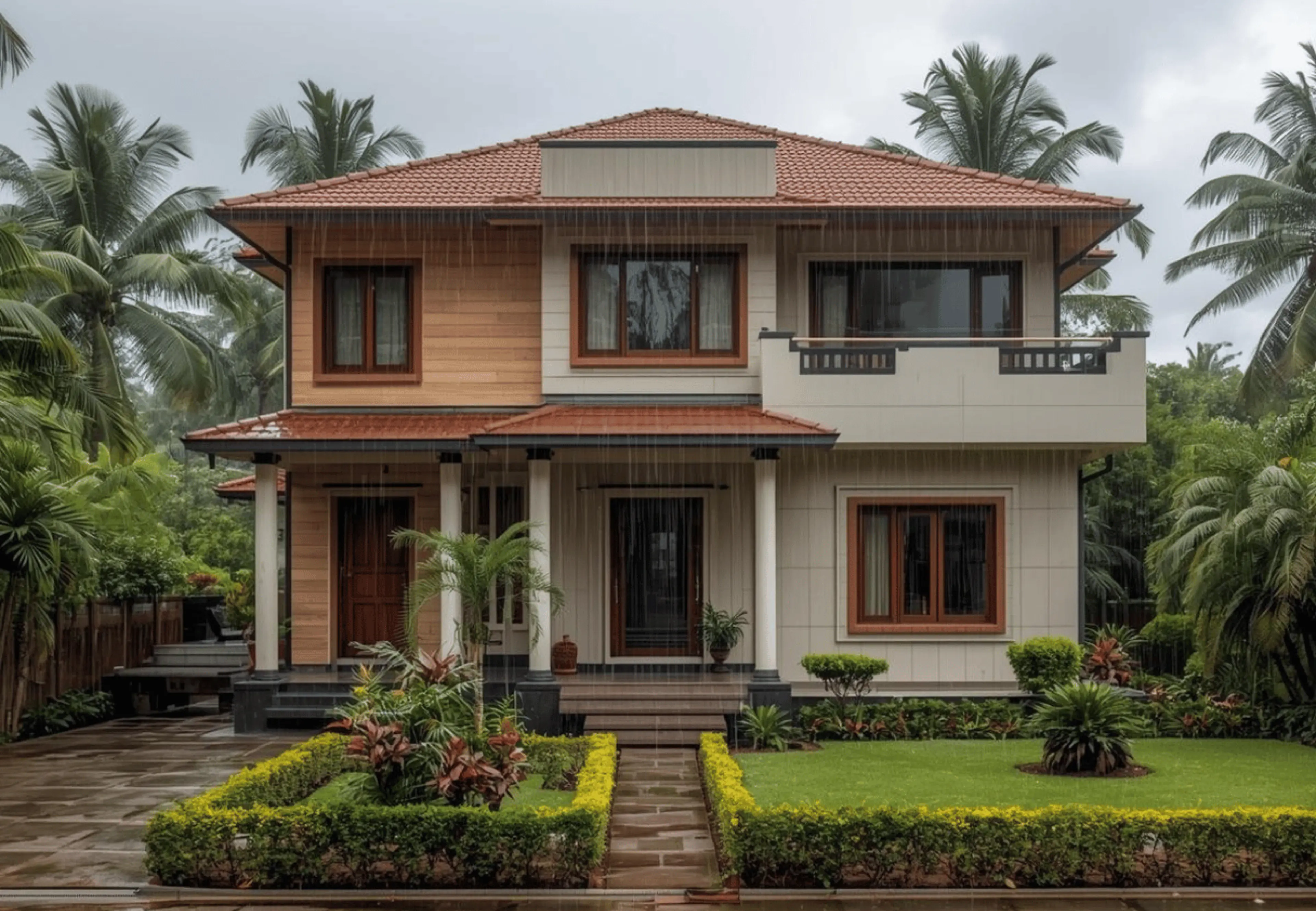
Exterior house painting during the rainy season requires extra care, planning, and the right techniques. While monsoon weather brings high humidity and sudden showers, it doesn’t completely rule out exterior painting. If the wall is dry, the surface is properly prepared, and weather-resistant paints are used, you can still get a durable finish that protects your home.
The non-negotiable factor is moisture control, because even premium wall paint will fail early if it’s applied on a damp substrate or exposed to moisture before it sets and cures. Read on to know more.
Why Weather Conditions Matter For Exterior Painting
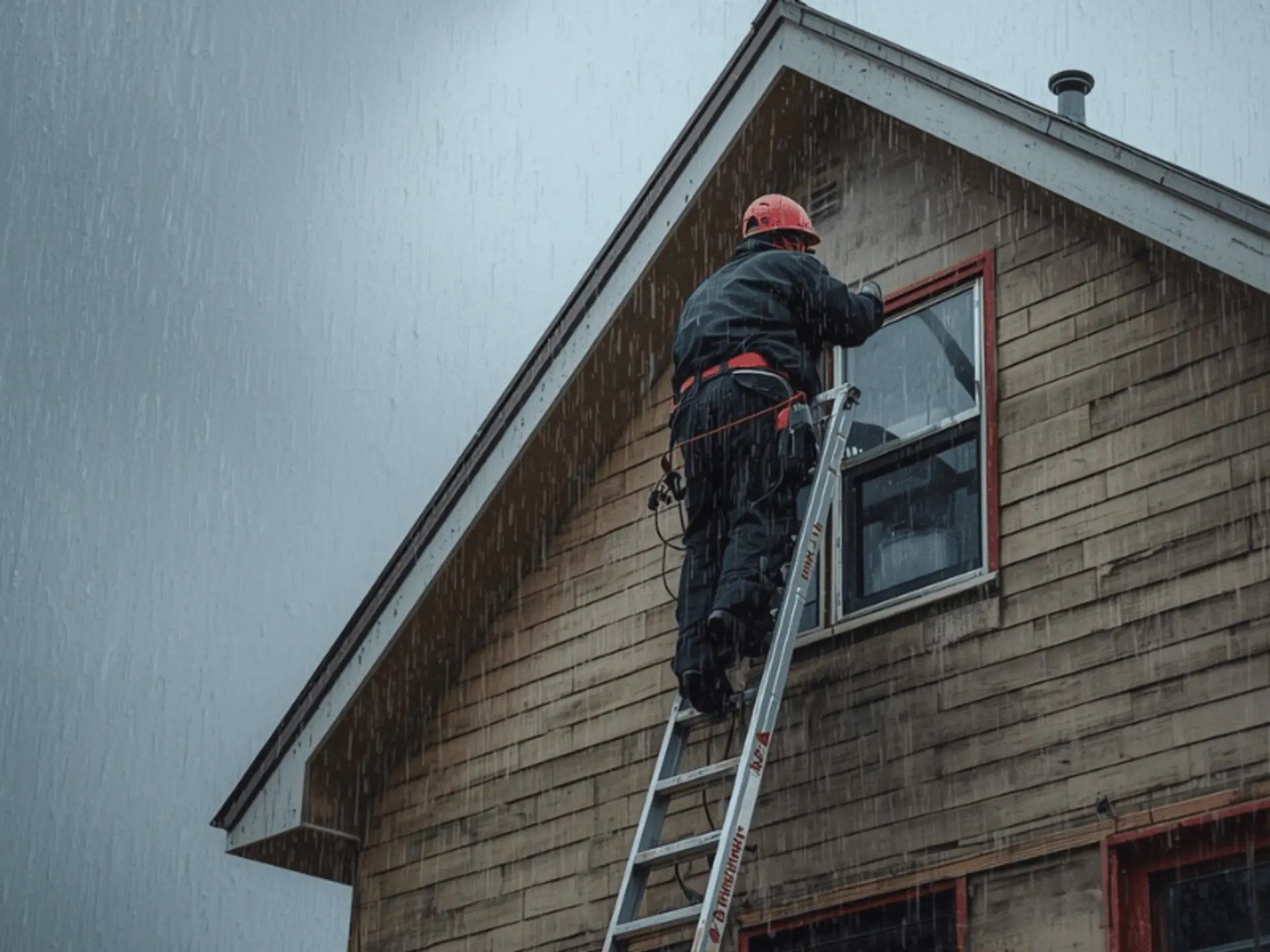
Rain and humidity affect how paint bonds, levels, and cures. For painting in the rainy season, the goal is to keep the substrate dry and give each coat enough time to set before the next spell of moisture.
Impact Of Rain On Paint Adhesion
Rain pushes moisture into exterior walls, and that moisture prevents proper adhesion. Paint needs a stable, dry surface to anchor into pores and micro-texture. If you paint on damp plaster or masonry, the film can look fine initially but later blister as trapped moisture tries to escape as vapour. Over time, blisters break, and the coat begins to peel or flake.
Rainwater can also carry dust and salts onto the surface. If those are painted over, adhesion reduces further and can fail sooner. On cement-based walls, salts can show up as efflorescence (a whitish powder). Unless efflorescence is cleaned and the wall is dried, repainting becomes a recurring cycle.
Effect Of Humidity On Drying Time
High humidity slows evaporation, so paint stays wet longer and cures more slowly. This increases the risk of lap marks, uneven sheen, and dust pickup. Slow curing also means the film remains soft and vulnerable, so a light drizzle, mist, or overnight dew can leave streaks or water stains.
Painting Before Or After Rainfall
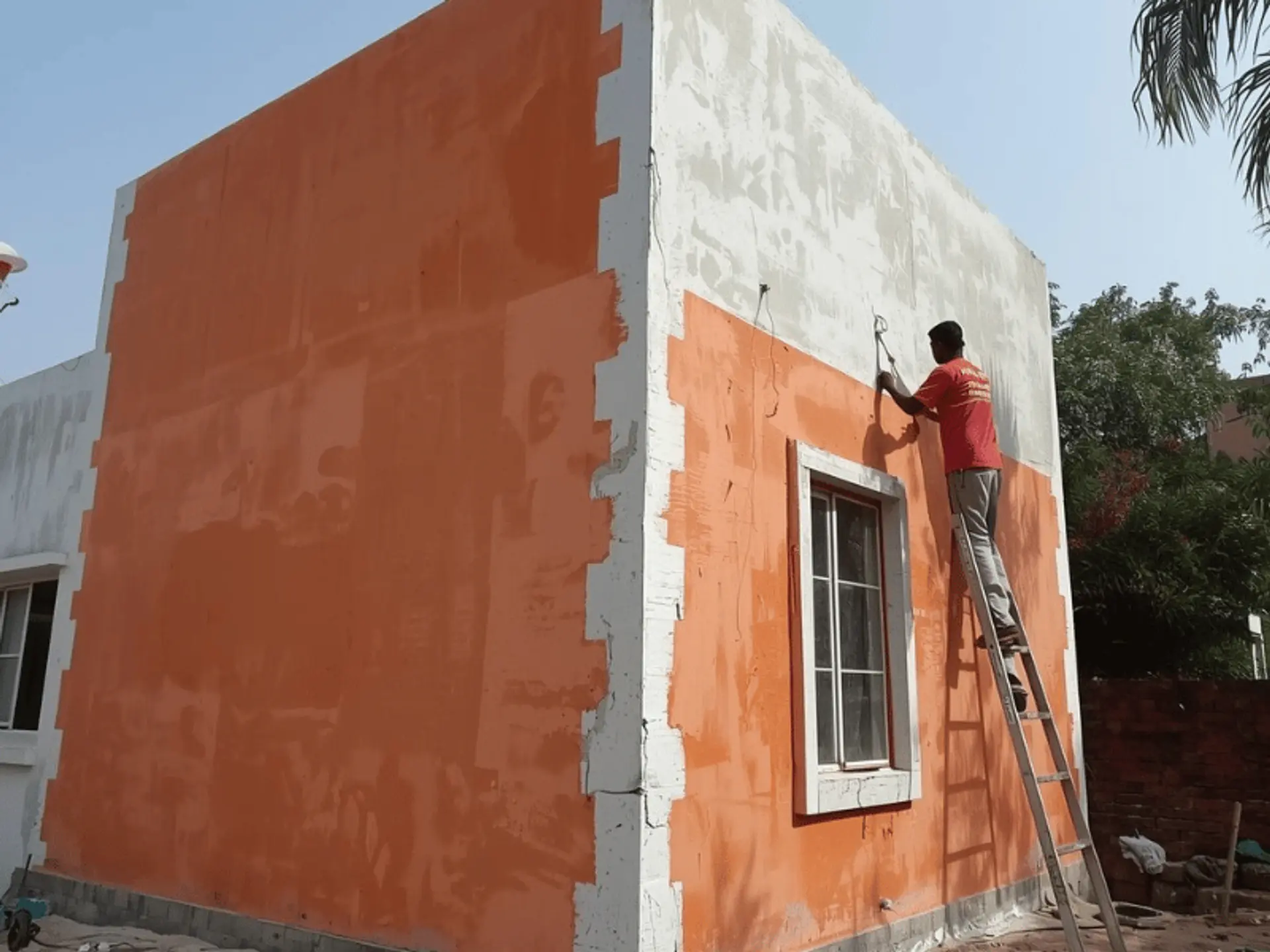
Homeowners often ask: how soon after rain can you paint an exterior house? Paint only when the surface is fully dry, not just dry to the touch. In many monsoon conditions, waiting 24–48 hours after rainfall is recommended before painting, provided there’s airflow. Shaded areas and damp-prone zones may need longer.
Also, avoid painting the exterior of the house before rain if showers are likely during the coat’s vulnerable window. Even a brief shower can disrupt the film and create visible watermarks.
Best Paint Types For Rainy Or Humid Weather
If you need exterior painting in rainy weather, choose coatings designed for exterior exposure, stronger adhesion, and moisture resistance. Use a complete system: primer, topcoat, and (where required) waterproofing solutions, rather than relying on a topcoat alone.
1) Weather-Resistant Exterior Paints
High-quality acrylic exterior paints are commonly used for humid regions because they adhere well to masonry, resist chalking, and remain flexible as walls expand and contract. Many modern acrylic systems also support breathability, allowing internal water vapour to escape while resisting rainwater penetration.
For walls with hairline cracks or recurring dampness, elastomeric coatings can provide added protection. Their thicker, elastic film helps bridge minor cracks and improves water resistance, making them a strong exterior wall coating option where protection is the priority.
2) Fast-Drying Exterior Paints
Fast-drying paints reduce exposure time between application and initial set, which helps when the weather is unpredictable. Water-based, quick-dry acrylic formulations can reach surface dry faster than older systems.
However, “fast-drying” is not the same as “rainproof.” Each product has a minimum time before it can tolerate light moisture and a longer curing time for full performance. When painting a home in rainy weather, follow the recoat and drying guidance strictly and avoid trapping moisture between coats.
Risks Of Painting Home Exteriors In Rainy Weather
House painting in the rain (or in very humid conditions) raises the chance of defects and early failure.
Peeling, Blistering, And Flaking
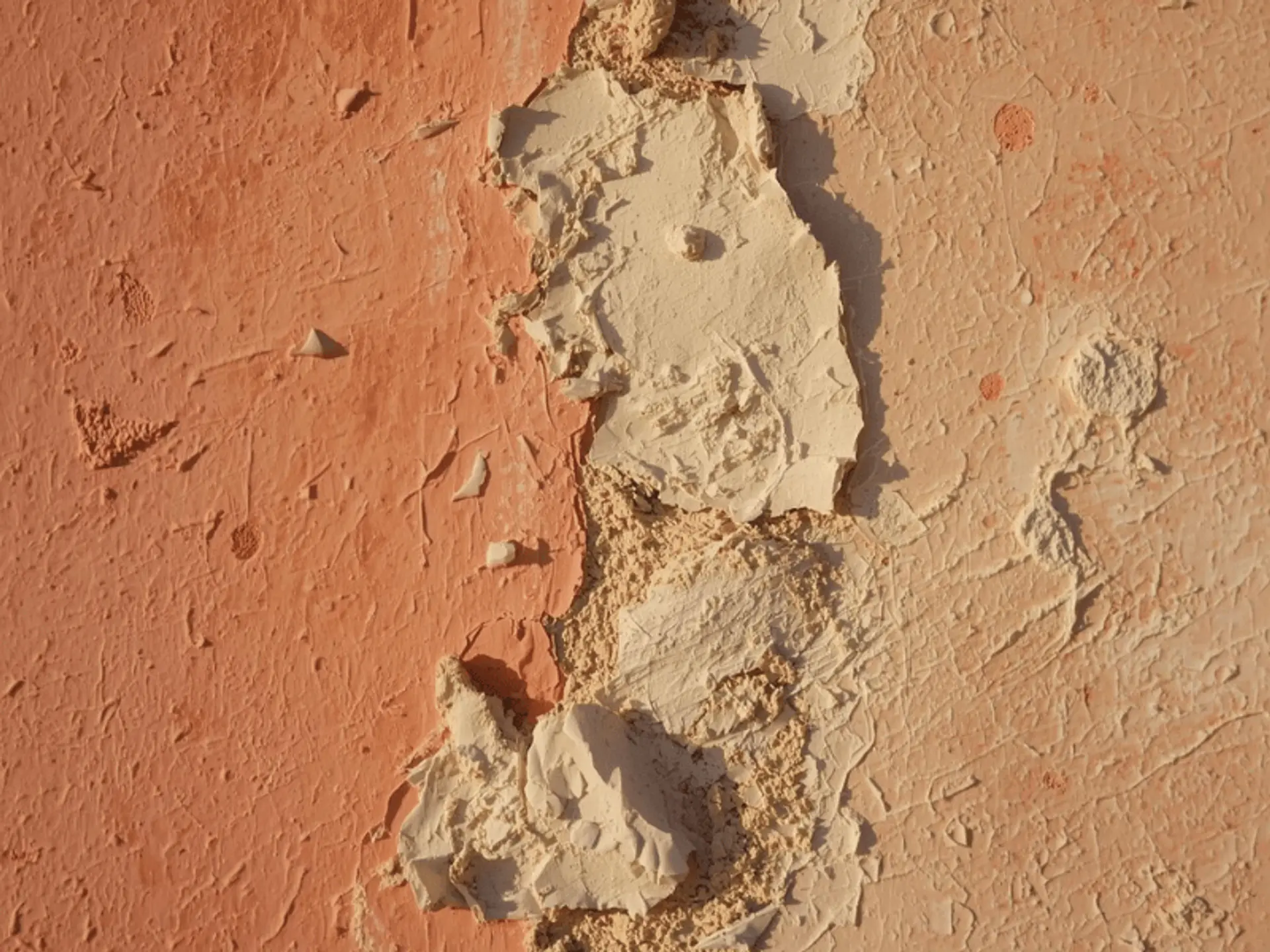
Moisture trapped under the paint film forms blisters as temperatures change throughout the day. Once blisters break, the film peels and flakes. If dampness is ongoing, patch repairs fail again because moisture continues to move through the wall.
Uneven Finish And Water Stains
Rain, mist, or dew on a fresh coat can cause streaks, patches, and watermarks. Slow, uneven drying can also create roller marks and inconsistent sheen. Runoff water may carry dirt or rust stains from grills and ledges onto the new paint, leaving visible trails.
Reduced Paint Lifespan
Even when the finish looks acceptable at handover, coatings applied on damp substrates often chalk and fade earlier and need repairs sooner. This is why “can you paint a house in the rain” is usually answered with “avoid it,” unless you can guarantee surface dryness and proper curing time.
Precautions To Take If Painting During The Rainy Season
If postponing isn’t possible, reduce risk by focusing on preparation, moisture checks, and controlled scheduling. Good painting services will treat monsoon work as moisture management first and painting second.
Surface Preparation and Drying
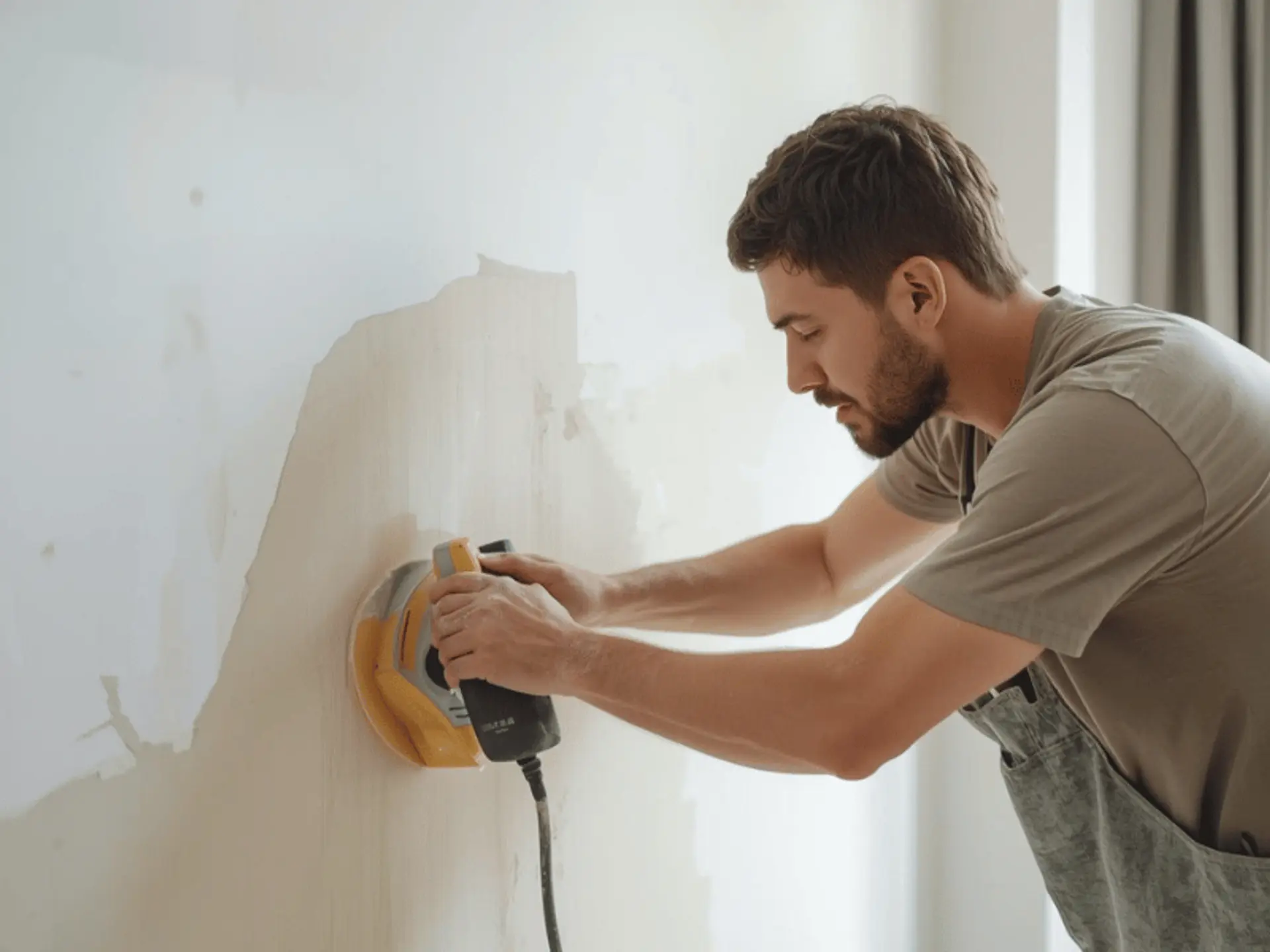
Clean the surface thoroughly and remove loose paint, dust, algae, and mold. Repair cracks, damaged plaster, and gaps that allow water to enter. Then confirm the wall is dry.
Professionals use moisture meters to test the substrate and proceed only when readings are within the system’s acceptable range. If dampness is caused by leaks, seepage, or structural cracks, repair those areas before repainting.
Use Of Primers And Sealers
Use a compatible exterior primer to improve adhesion and even out absorption, especially on repaired patches. Where dampness is recurring, use suitable sealers and damp-proof products as part of your waterproofing solutions approach.
Crack fillers and elastomeric base coats can help bridge minor movement before the finishing coats, improving durability.
Monitoring Weather Forecast
Track rainfall probability, humidity, and wind for at least the next 48–72 hours. Plan coats around dry windows that allow initial set and protected drying. Avoid very early mornings when walls can be wet with dew,and be cautious in late evenings when humidity rises.
Conclusion
Painting home in the rainy weather can be challenging, but Berger Express Painting is designed to make the process controlled and reliable. With trained professionals, advanced surface preparation, and the use of high-quality, weather-resistant Berger Paints products, your exterior walls can get long-lasting protection even in difficult weather conditions.
The express painting service ensures faster completion, proper drying management, and a flawless finish, helping homeowners achieve durable and beautiful exteriors, even during the monsoon season.
check for any query you have about the blog
Frequently Asked Questions
Yes, but only during dry windows when the wall is fully dry, and you use an exterior-grade system with primer.
Yes, if the break is long enough for surface drying and for each coat to set before moisture returns.
If there are damp patches, cracks, or seepage, waterproofing solutions are recommended before painting.
A moisture meter is the most reliable method; visual signs can help, but are less accurate.
Yes, but repairs must be planned around dry spells and allowed to cure before repainting.